
Last updated November 25, 2026
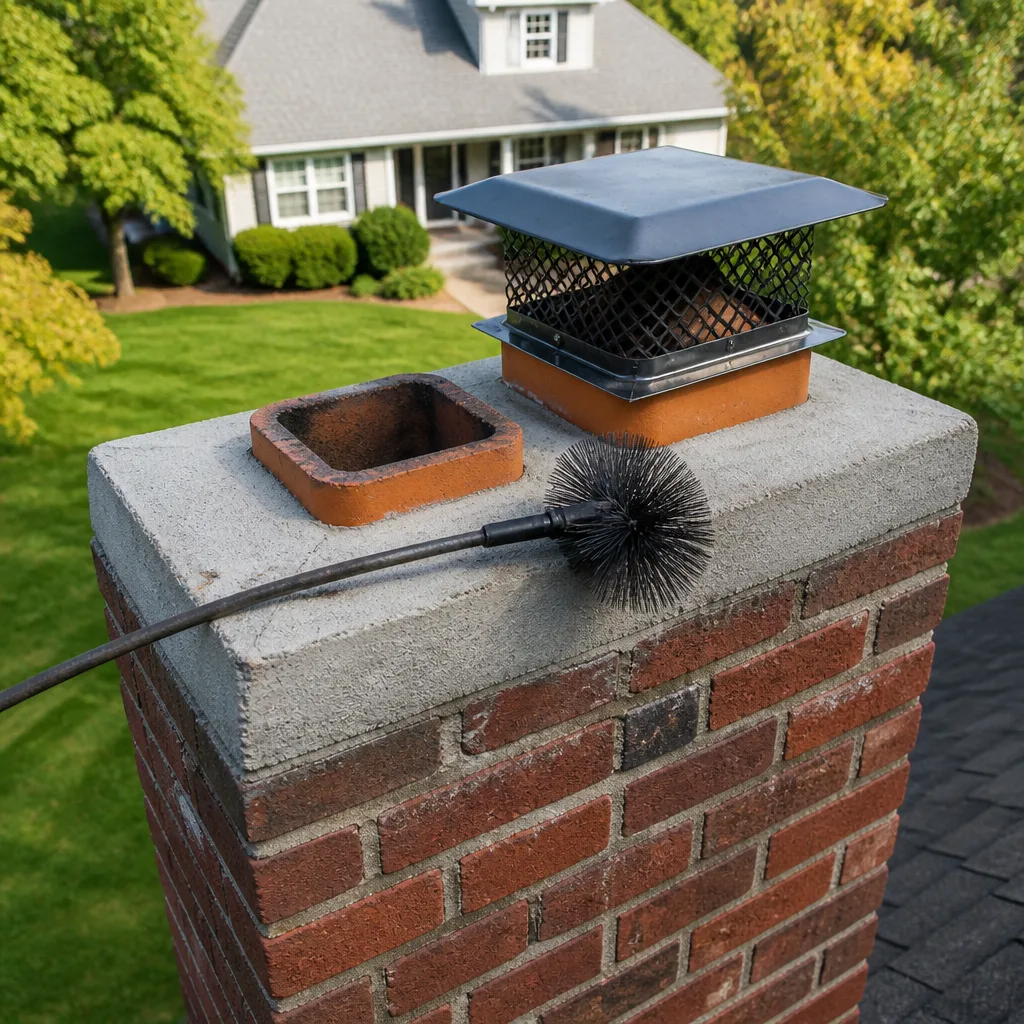 Sweep & inspection
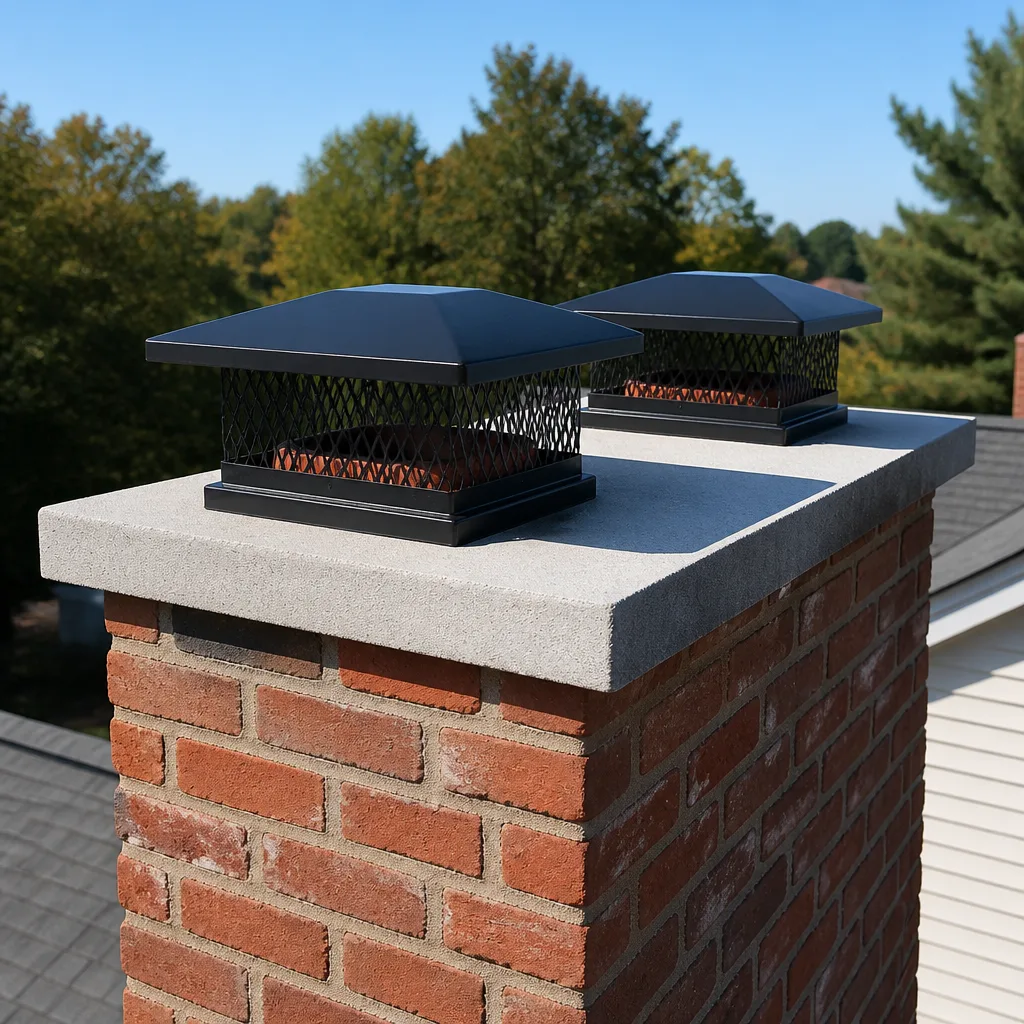 Caps & crowns
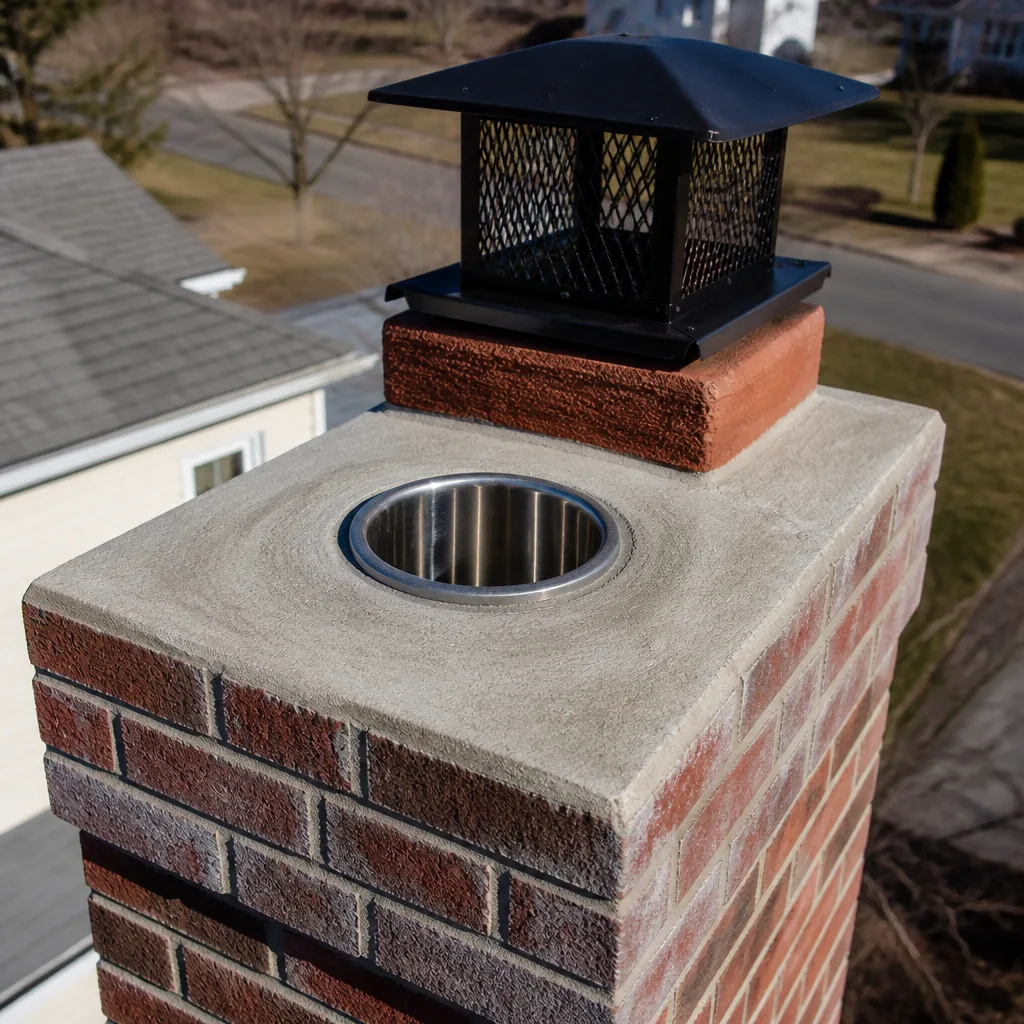 Flue relining
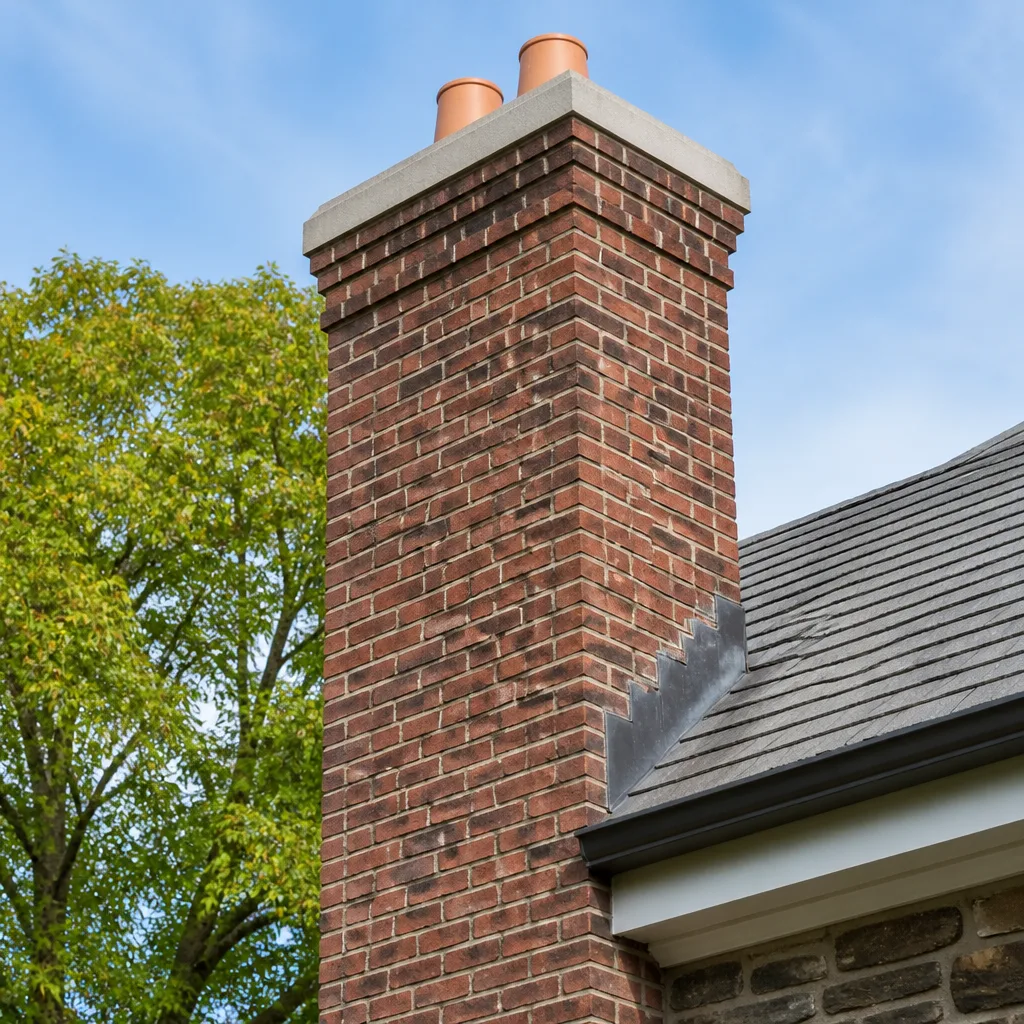 Masonry repair
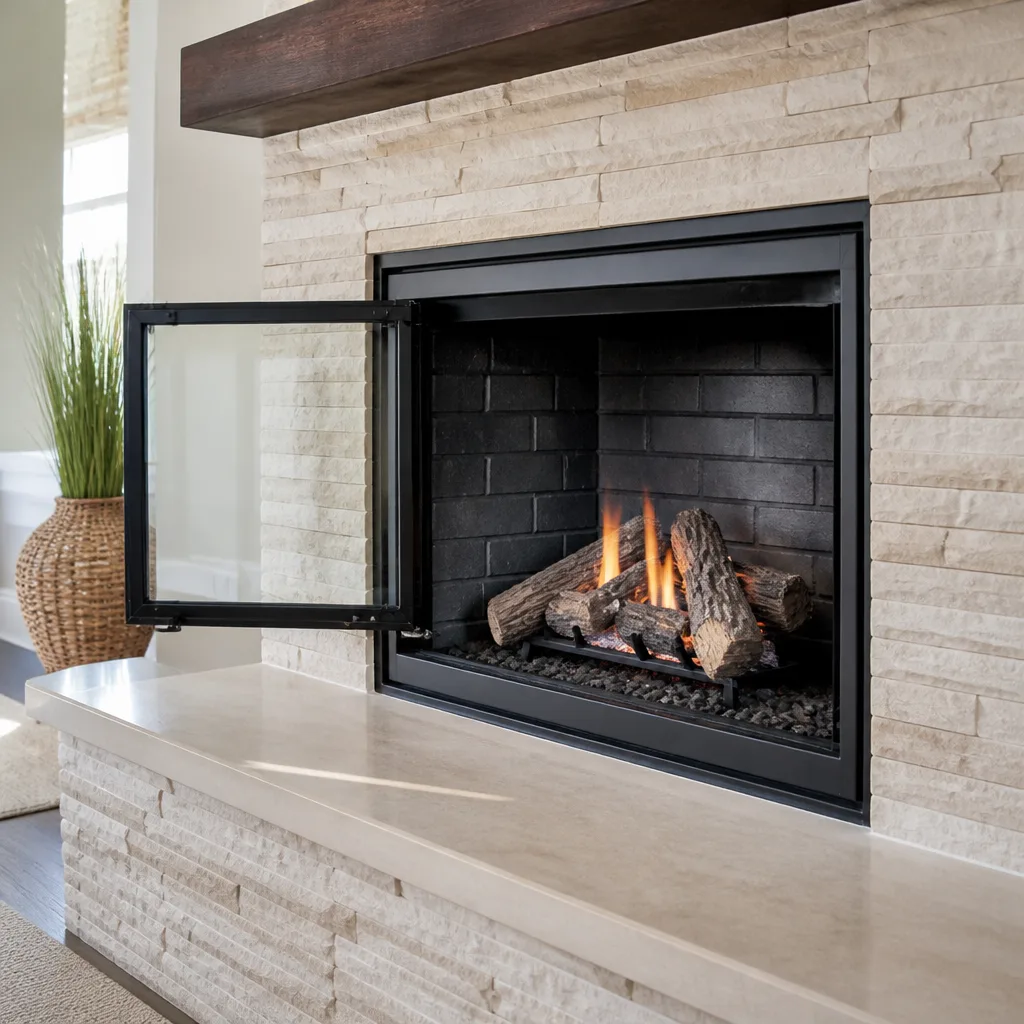 Gas fireplace service
Level 1 sweep and inspection to the NFPA 211 annual standard - flue, crown, cap, and flashing checked and photographed
Chimney sweep logs do not sweep chimneys. They loosen some creosote - which then falls where a brush and vacuum still have to collect it.
Chimney Cleaning Warning Signs: An Elmwood Village Homeowner’s Reference Guide
A white stain running down the outside of a chimney isn’t a cosmetic problem. It’s efflorescence, and it means water is actively dissolving the mortar from inside the masonry. Most homeowners in Elmwood Village scan their chimney for dramatic failure – a fallen brick, visible smoke pouring into a room, a cracked firebox – and overlook the quiet signals that show up months before a real problem. This guide reframes warning signs as diagnostic data points. Each one tells you where moisture is entering, what part of the system is failing, and how urgent the work actually is. You’ll learn to read exterior, interior, performance, and sound signals accurately, and to know which ones mean stop using the fireplace today. Elmwood Village homes are full of pre-war brick chimneys, and reading them correctly is half the job.
Quick Answer
The warning signs that matter most are efflorescence or rust staining on the exterior, white haze on firebrick, a rusted damper frame, slow smoke draw, smoke rollout at startup, persistent odor between fires, and popping or cracking sounds during a burn. Two of these mean stop using the fireplace immediately: smoke rolling into the room and active cracking or falling material inside the firebox. The rest warrant a scheduled inspection, not a panic call.
Styles & brands we work with
- Sweep & inspection
- Caps & crowns
- Flue relining
- Masonry repair
- Gas fireplace service
Table of Contents
- Decoding Exterior Warning Signs: Efflorescence, Rust, and Spalling
- Reading Interior Signals: Firebox, Smoke Chamber, and Damper
- Performance Signals: Slow Draw, Smoke Rollout, and Odor
- Auditory Signals: Popping, Cracking, and Animal Sounds
- The Two Signs That Mean Stop Using the Fireplace Now
- The Five Signs That Can Wait for a Scheduled Appointment
- How a Professional Reads These Signs During a Cleaning
- Why Elmwood Village Climate Makes These Signals Show Up Faster
Decoding Exterior Warning Signs: Efflorescence, Rust, and Spalling
Walk around the outside of your chimney and you’re reading a diagnostic report. The surface tells you where water is entering and how deep the problem has traveled. In Elmwood Village, most of these chimneys are brick built between the 1890s and 1950s, and the mortar joints are the first thing to give.
Efflorescence is the white, powdery bloom you see on brick or mortar. It looks like salt, and it is exactly that: water has moved through the masonry, dissolved mineral salts from the mortar and brick, and deposited them on the surface as the water evaporated. Efflorescence by itself means moisture is moving through the wall. It doesn’t automatically mean structural failure, but it does tell you water is getting in somewhere – through a failed crown, a missing cap, or unsealed masonry. This is the single most misdiagnosed sign we see in Elmwood Village, because it looks harmless.
Rust staining is the brown-orange streak that runs down from a metal component. On the exterior, that’s almost always the chimney cap, the damper frame visible at the top, or flashing. Rust means water has been sitting against bare metal long enough to corrode it, which usually points to a cap that’s too small, damaged, or missing entirely. A Gelco or Olympia Chimney cap sized correctly keeps rain off the flue and the metal below it.
Spalling is the next stage. The brick face flakes, peels, or pops off entirely, exposing the softer interior of the brick. Spalling means water is freezing and expanding inside the masonry. In Elmwood Village’s freeze-thaw winters, spalled brick is a structural concern, not a cosmetic one – the brick face is the part designed to shed water. Once it’s gone, moisture attack accelerates.
Read the three together. Efflorescence alone – water is present. Rust – metal is failing. Spalling – masonry is deteriorating structurally. Each moves you one step closer to needing chimney repair, and each tells us where to look first.
Reading Interior Signals: Firebox, Smoke Chamber, and Damper
The inside of the chimney tells you what’s happening above the firebox, where you can’t see. Those interior signs aren’t random – each one diagnoses a specific part of the flue or smoke chamber above.
White haze on firebrick. Firebrick is rated for high heat, but even firebrick holds moisture, and when it stays wet it develops a white, hazy film on the surface. That haze is usually efflorescence again, this time inside, and it means moisture is reaching the firebox from above. The likely source is a failed crown, a cracked flue tile, or water running down the outside of the liner. A white haze on firebrick is a signal the crown above the flue isn’t shedding water the way it should.
Deteriorating smoke chamber parging. Above the firebox is the smoke chamber, a sloped area that funnels smoke up into the flue. Those slopes are usually parged – coated – with a mortar that smooths the transition and protects the masonry beneath. Over time, heat and moisture break that parging down. You’ll see rough, crumbling patches, and occasionally small pieces of parging on the smoke shelf. Deteriorated parging catches creosote and slows draft, which is why we use HeatShield resurfacing to restore the smoke chamber and flue – it re-creates a smooth, sound surface rather than forcing a full reline.
Rust on the damper frame. The damper is the steel plate that opens and closes the flue. Its frame rusts when moisture is coming down the flue – typically from a missing or undersized cap, or from a crown that’s no longer pitched to shed water away from the flue opening. That rust is a direct read on conditions above: if the damper frame is rusting, whatever is supposed to keep water off the top of the chimney is failing.
These interior signals are why we inspect with a camera. Homeowners can see the inside of their own chimney on a screen, and the cause behind each sign is visible, not guessed at.
Performance Signals: Slow Draw, Smoke Rollout, and Odor
How the fireplace behaves during a fire is some of the most useful data a homeowner can collect. Each performance symptom traces back to a specific cause, and naming the cause is what turns a vague complaint into a workable diagnosis.
- Slow smoke draw. Smoke drifts rather than climbs. Common causes: a flue that’s partly blocked by creosote or a bird nest, a flue sized wrong for the firebox, a closed or partly closed damper, or a cap that’s restricting flow. In Elmwood Village homes with a modern airtight insert added to an old brick firebox, an oversized flue is a frequent culprit.
- Smoke rollout at startup. The first few minutes of a fire push smoke into the room before the draft establishes. Causes include a cold flue, negative pressure from a competing exhaust fan or another appliance, an oversized firebox opening, or a smoke chamber that’s rough and slow to warm. A second fire in the same evening rolling smoke back is a stronger signal than a cold-start rollout on its own.
- Persistent odor between fires. That smoky, sour smell that lingers in a room days after a fire is creosote releasing volatile compounds as temperatures shift, or moisture interacting with creosote and ash. It intensifies on humid days, which is why Elmwood Village homeowners notice it most in summer.
Performance signals matter because they show up before any visible damage does. Slow draw is often the first thing that changes, weeks or months before a stain appears outside. When you call, tell us which symptom you’re seeing and when it happens – cold start, established fire, or between fires – because that distinction narrows the diagnosis before we even arrive.
Auditory Signals: Popping, Cracking, and Animal Sounds
Chimneys make noise. Most of it is normal. Some of it isn’t. Learning to separate the two lets you sleep through the harmless sounds and pay attention to the ones that matter.
Normal thermal expansion. A metal flue liner, a damper, or a set of firebox components expand and contract as they heat and cool. The result is a series of light ticks or small clicks, usually during the warm-up and cool-down phases of a fire. It’s predictable and it’s benign. If the noise starts when the fire is hot and stops a bit after it dies down, you’re hearing metal do what metal does.
Popping or cracking during a burn. A sharp pop or a series of loud cracks that happen during active burning can signal thermal stress in the firebox masonry or a spalling brick releasing. Creosote igniting produces a different sound – a low roar or a rushing noise, often with a sudden increase in heat. Popping that repeats, or cracking that gets louder as the fire grows, is a signal to stop adding fuel and get the chimney looked at.
Animal sounds in the flue. Scratches, light fluttering, or a faint chirping that comes from inside the flue, especially when no fire is burning, means a bird, squirrel, or raccoon has found its way in. An uncapped or under-sized cap is the usual entry point. We see this every spring in Elmwood Village as nesting season starts. A correctly sized Famco or Olympia Chimney cap keeps animals out and stops this particular signal.
A persistent hum or whistle. A draft that’s been forced into a bad geometry – often a cap that’s sized wrong or a flue with an obstruction – can create a low drone or a whistle on windy days. That sound is your chimney telling you the airflow is off.
Auditory signals are the ones most homeowners dismiss because they’re intermittent. If a sound repeats with the same trigger – fire on, fire off, wind, or no fire at all – it’s worth writing down and mentioning when you schedule your chimney sweep.
The Two Signs That Mean Stop Using the Fireplace Now
Two warning signs are unambiguous and require immediate action. If either of these is present, stop using the fireplace until a professional has inspected the chimney.
- Smoke rolling back into the room from an established fire. A cold-start rollout can be a flue that hasn’t warmed yet. But smoke coming into the room after the fire has been burning steadily, or rolling out in visible puffs every time you add a log, means the flue is blocked, the draft has reversed, or there’s a structural problem in the smoke chamber. It’s a fire hazard and a carbon monoxide risk, and there’s no version of this that resolves itself with another log on the fire.
- Active cracking, falling material, or visible heat distortion inside the firebox during a burn. A crack opening in the firebox masonry while the fire burns, pieces of brick or parging landing on the firebox floor, or the firebox walls glowing or distorting beyond normal exposure all point to structural failure. Continuing to burn can let fire into the wall cavity behind the firebox.
For a step-by-step account of what a proper professional assessment covers, see our guide to Chimney Sweep Elmwood Village, which lays out what we inspect and why. If either of the signs above is present, stop using the fireplace and call a professional before you light another fire.
The Five Signs That Can Wait for a Scheduled Appointment
Most warning signs are not emergencies. They’re diagnostic information that helps us plan the right work, and they can wait for a scheduled appointment that doesn’t carry the anxiety of a sudden failure.
- Efflorescence without spalling. Moisture is moving through the masonry, but the brick face is intact. A scheduled inspection identifies where the water is entering and whether a crown or cap correction will close the leak.
- White haze on firebrick. Points to moisture above the firebox. Unless there’s active fire penetration, this can wait for a scheduled assessment with a camera.
- Slow draw or occasional cold-start smoke rollout. Frustrating but not an emergency. A scheduled inspection will identify a flue obstruction, an oversized flue, or a smoke chamber that needs resurfacing.
- Persistent odor between fires. A signal that creosote and moisture are building. Schedule a chimney sweep, not an emergency call.
- Animal sounds in the flue with no fire burning. Sometimes urgent for the animal, not for you. A scheduled appointment can arrange removal, cleaning, and a properly sized cap.
If you’re unsure which category a sign falls into, call and describe what you’re seeing. We’ll tell you plainly whether it can wait. In our experience, homeowners are relieved to be told when work can safely wait – we won’t recommend liner work or masonry repair without camera evidence you can see for yourself, and we say so when the answer is “this can wait for the next scheduled cleaning.”
How a Professional Reads These Signs During a Cleaning
The cleaning visit isn’t just about removing creosote. It’s the point where the signs above get read accurately, because a trained eye can see what a homeowner can’t in the middle of a burn.
- Exterior reading. We look at the crown, cap, flashing, and masonry joints, and photograph efflorescence, rust, and spalling so you can see what we see.
- Interior inspection. Camera inspection of the firebox, smoke chamber, damper, and flue. White haze, parging condition, damper frame rust, and flue condition all get documented.
- Flue interior assessment. The camera shows creosote levels, glaze, and cracks in flue tiles. This step decides whether cleaning is enough, whether HeatShield resurfacing is the right answer, or whether the flue needs relining.
- Liner suitability reading. In Elmwood Village’s older homes, flues often run at angles and offsets that a rigid liner can’t follow. That’s why we install DuraFlex flexible liner systems – they can follow the actual path of the flue, so a proper reline is possible where a rigid system won’t go.
- Written report and options. We give you the findings with photo evidence, and we lay out what can wait, what shouldn’t, and what the options are.
This is also where the repairs happen, without a handoff. If the inspection finds that the crown is failed and the flue is glazed, we’re addressing both the chimney cap & crown and the flue in one service relationship. That’s a different experience than being told to call one contractor for the crown and another for the liner.
Our technicians have up to 14 years of experience, and that matters most in liner selection and crown pitch – the parts of chimney work where a wrong call shows up two winters later. We use professional-grade materials from DuraFlex, HeatShield, Gelco, Olympia Chimney, Famco, and Copperfield, and we choose them for specific reasons: DuraFlex because it works in irregular flues; HeatShield because it can restore a structurally sound flue without mandatory full relining; Gelco and Famco for correctly sized caps and venting.
Why Elmwood Village Climate Makes These Signals Show Up Faster
Elmwood Village sits in Buffalo’s freeze-thaw belt, and that’s the single biggest driver of chimney deterioration in this neighborhood. The pattern is simple and brutal: water enters masonry, temperatures drop below freezing overnight, the water expands, and the masonry micro-cracks. Then it thaws, water enters the new crack, and the cycle repeats. A chimney that would last decades in a mild climate can show spalling within a few seasons here.
The other factor is summer humidity. Creosote absorbs moisture from the air, and in a Buffalo summer the air is often holding a lot of it. A chimney that’s dirty going into summer comes out of summer smelling sour, which is one reason the persistent-odor signal gets noticed between fires rather than during them. It’s also why we recommend a scheduled chimney sweep in the spring or early summer rather than waiting until fall, when the first cold snap forces everyone’s attention at once.
Elmwood Village’s housing stock compounds this. The neighborhood’s older homes have brick chimneys built to a standard common at the time, including exterior masonry without modern flashing systems. Many have had fireplace inserts added in later decades, and the flue geometry was never adjusted for the insert. That mismatch shows up as slow draw and persistent creosote, two of the performance signals above. It’s also why flexible liner systems matter here – original flues with offsets and elbows require a liner that can follow the path, not one that has to be straight.
A correctly pitched crown matters more in Elmwood Village than in a milder climate, because the crown is the first defense against the freeze-thaw cycle. A flat or cracked crown holds water at the flue opening, and once water is in the flue, the cycle above begins. We install and repair crowns because it’s the highest-leverage maintenance on the whole system. The cap matters too, but for a different reason: an undersized or missing cap lets water and animals into the flue, and both cause the interior signs described above.
Every winter, the pattern repeats in this neighborhood: the first really cold stretch arrives, someone lights a fire, and one of the warning signs above becomes obvious. Reading the signs in fall means fixing them before the season starts, not during it.
Common Mistakes to Avoid
- Burning through a smoke rollout. Adding fuel to a fire that’s rolling smoke into the room makes the problem worse. Stop, open a window if needed, and get the chimney inspected. Smoke rollout is a fire and carbon monoxide signal.
- Assuming efflorescence is cosmetic. It’s a read on active moisture movement. Painting over it traps water in the masonry and accelerates spalling.
- Skipping a scheduled cleaning because the fire looks fine. Most creosote problems are invisible from the firebox. A fire can look and feel normal while glaze is building in the flue.
- Adding a cap without sizing it. An undersized cap restricts draft and causes the same slow-draw symptom a bad flue does. Correct cap sizing is why we use Gelco and Famco components and match them to the flue opening.
- Assuming a rigid liner is the only option. In Elmwood Village’s older homes, an irregular flue with offsets can be properly relined with DuraFlex – a rigid liner isn’t the only path.
- Waiting until the first cold snap to call. Buffalo’s fall gets busy fast. Booking in the spring or early summer means your chimney is ready when you want to light the first fire.
- Assuming a liner is the only fix for a failing flue. HeatShield resurfacing can restore a structurally sound flue where the problem is a deteriorated parging or minor cracking, without replacing the whole liner.
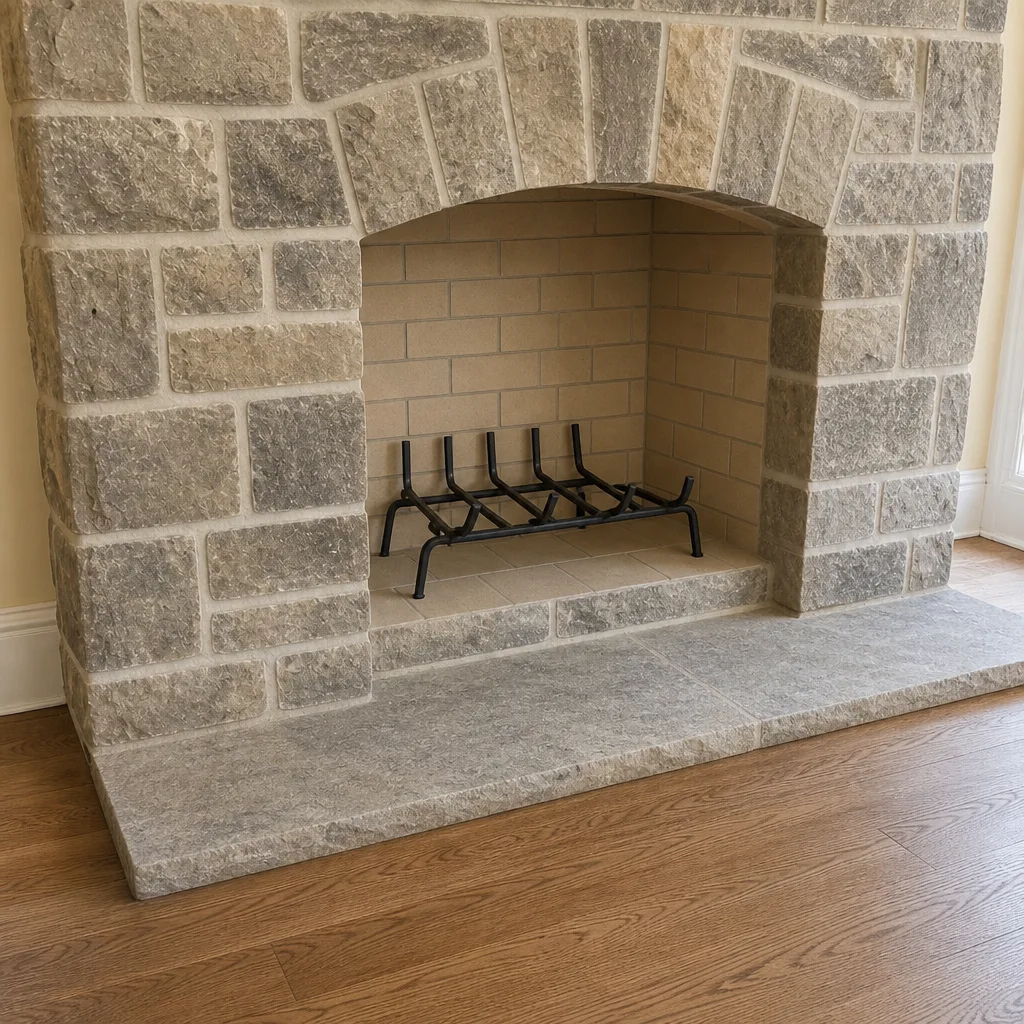
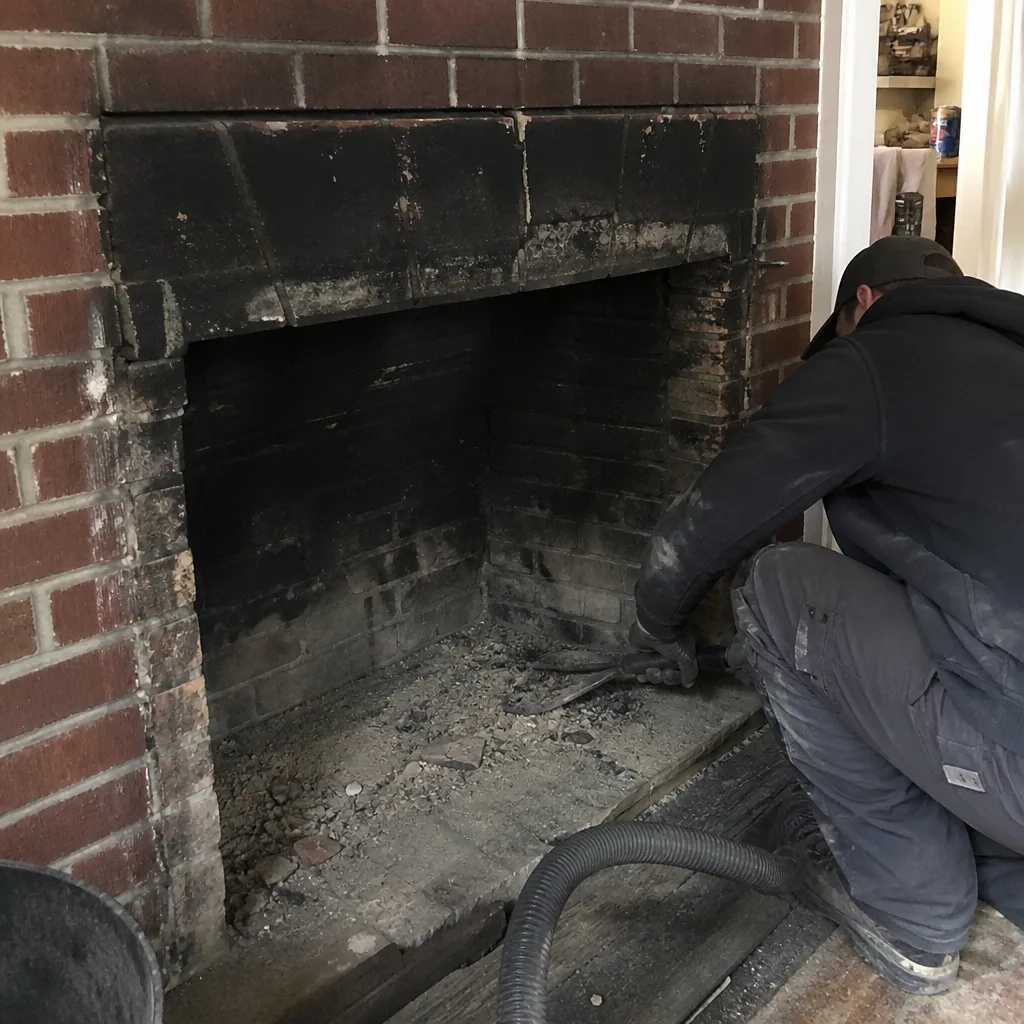
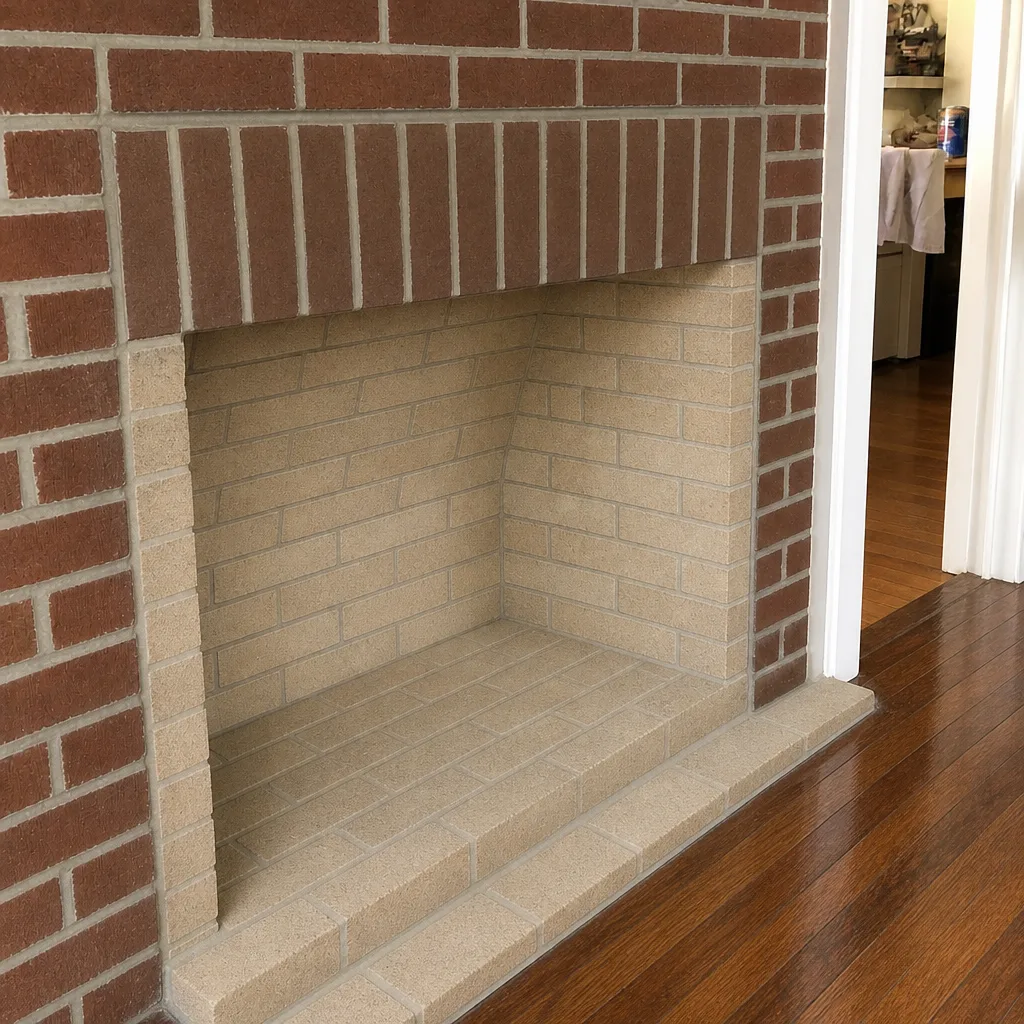
See the difference
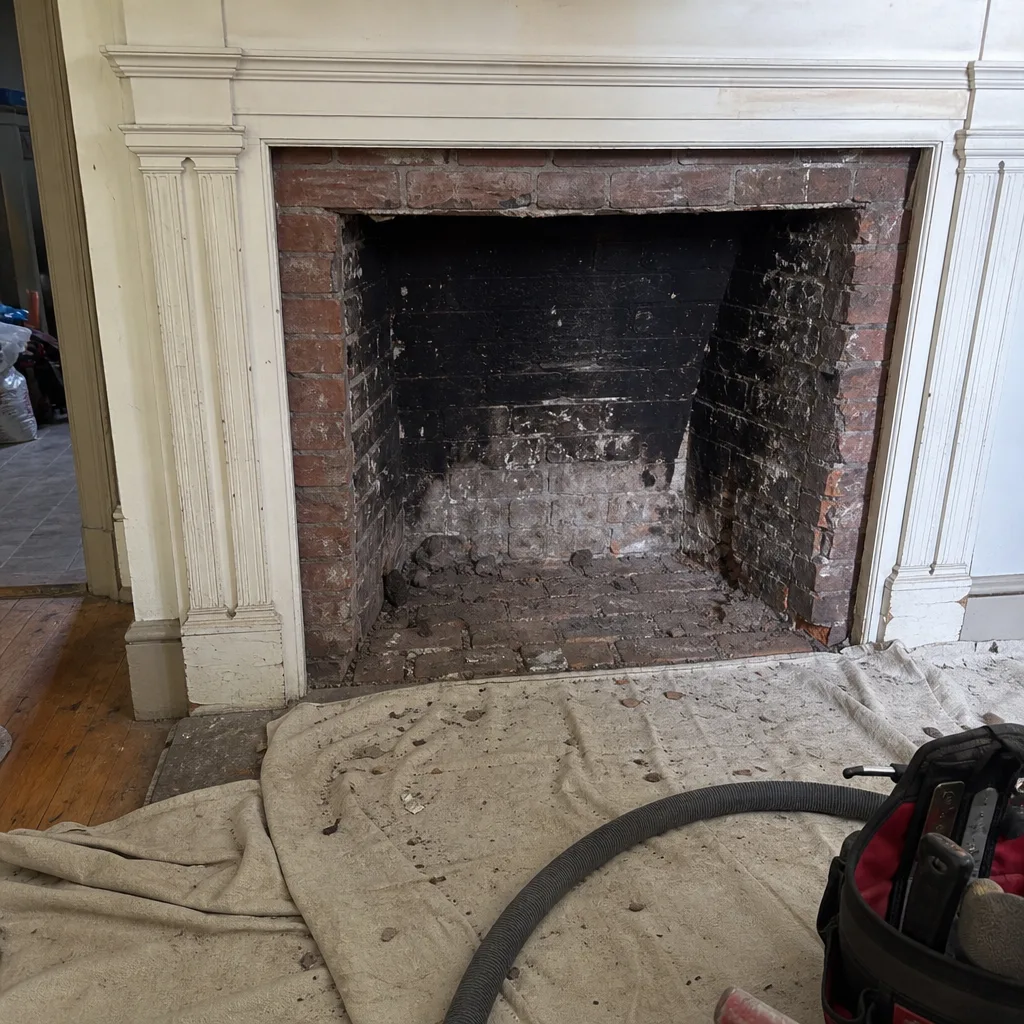 Before
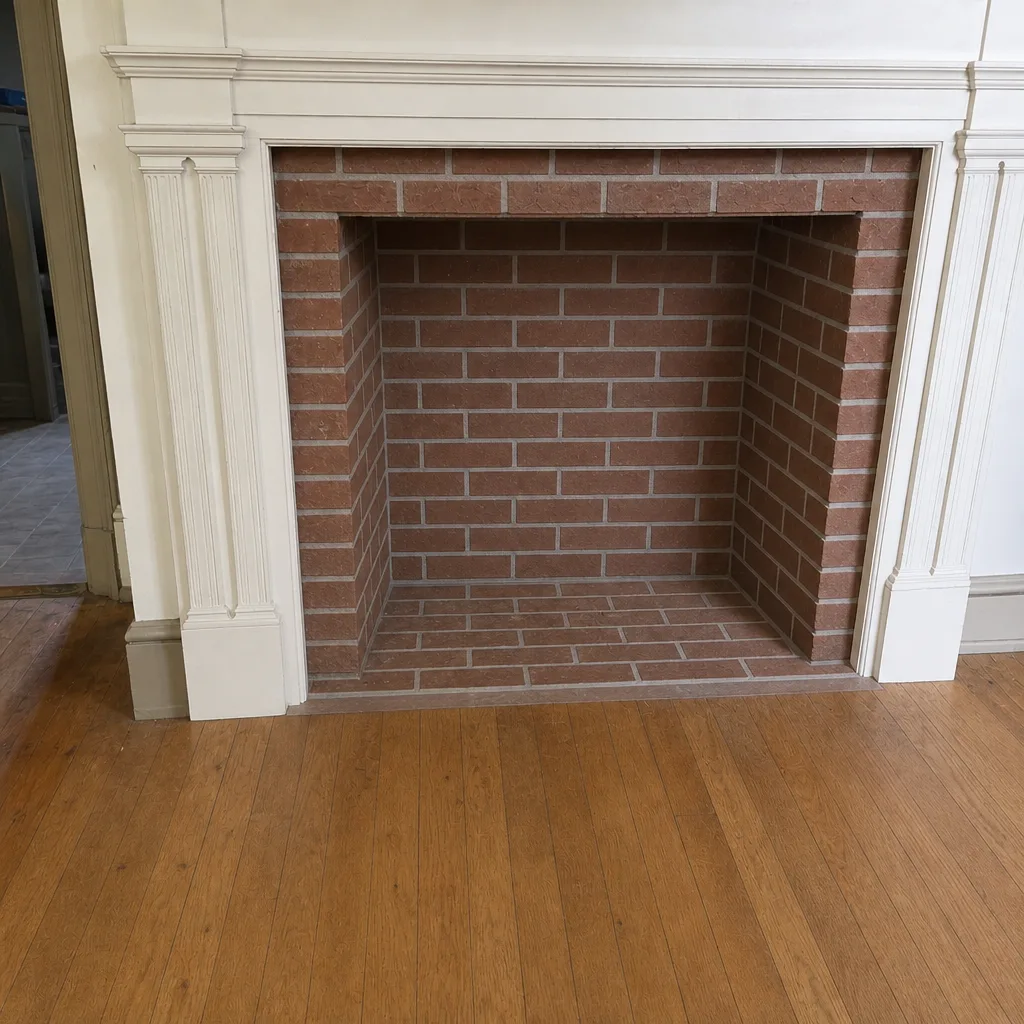 After
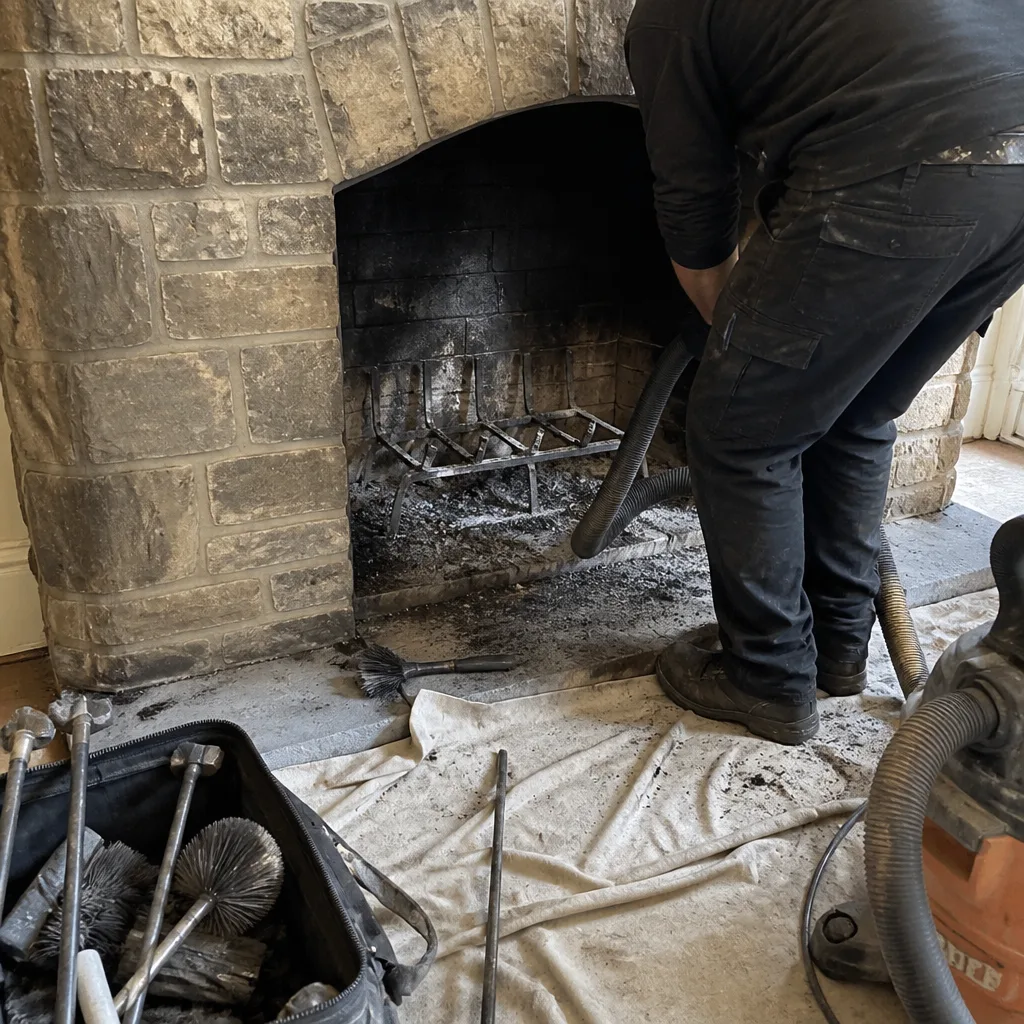 Before
 After
 Before
 After
When to Call a Professional
Call a professional if any of the two immediate signs above is present. Call if you’ve noticed efflorescence, rust, or spalling on the exterior – the sooner we see the masonry, the more options you have. Call if the fireplace has never been inspected, or if it’s been more than a year since the last cleaning. Call if you’ve added a fireplace insert, changed the fuel, or noticed a change in how the fire burns. And call if you’re just not sure – a scheduled inspection with a camera report will answer the question.
Chimney Sweep Elmwood Village offers free estimates in Elmwood Village – call (877) 792-5738. We answer 24/7. Fast dispatch from 7am to 7pm, Sunday through Friday. The estimate is free, the price is set per job by the written estimate, and nothing is recommended without camera evidence you can see.
Frequently Asked Questions
The price varies by job, so we set it per job with a free written estimate before any work is booked. The estimate is free, and it includes the camera inspection and photo report. Call (877) 792-5738 for an exact quote – estimates are free.
Most chimneys used regularly should be cleaned and inspected once a year. In Elmwood Village, the freeze-thaw cycle accelerates exterior wear, so an annual visit also catches efflorescence and spalling early. If you burn frequently, clean more often. Call (877) 792-5738 to schedule – estimates are free.
Not always. If the flue is structurally sound but the parging is deteriorated or the flue has minor internal cracking, HeatShield resurfacing can restore it without full relining. We only recommend a full liner when the camera shows the flue tile itself is compromised or the flue geometry won’t support the firebox. You’ll see the camera evidence before we make a recommendation. Call (877) 792-5738 for an inspection.
Creosote builds up on the flue walls, restricts draft, and eventually glazes into a hard, flammable layer. Glazed creosote is harder to remove and increases fire risk. The persistent-odor and slow-draw signals typically appear before the glaze is severe, which is why they’re worth acting on. Call (877) 792-5738 – estimates are free.
Efflorescence itself is not dangerous – it’s a powdered mineral deposit left behind as water evaporates from masonry. What it signals is that water is actively moving through the brick and mortar, which over time leads to spalling and structural damage. It’s a signal to inspect, not a panic call. Call (877) 792-5738 for an inspection.
Yes. From a scheduled chimney sweep to chimney repair, crown and chimney cap & crown work to liner and fireplace repair, we cover the full system in one service relationship. One visit, one written report, one set of options. Call (877) 792-5738 – estimates are free.
The Bottom Line
Chimney warning signs are diagnostic data, not a checklist of alarms. Efflorescence, rust, and spalling tell you where water is entering and how deep the damage goes. White haze, deteriorated parging, and damper frame rust trace what’s happening above the firebox. Slow draw, smoke rollout, and persistent odor point to flue and draft conditions. Popping, cracking, and animal sounds have specific causes worth writing down. Two signs require stopping the fire immediately: smoke rolling into the room, and active cracking or falling material inside the firebox. The rest can wait for a scheduled appointment. Reading these signals in Elmwood Village’s climate means catching the freeze-thaw damage before it becomes structural.
Chimney Sweep Elmwood Village handles every stage from inspection through repair, using professional-grade materials from DuraFlex, HeatShield, Gelco, Olympia Chimney, Famco, and Copperfield. Our technicians have up to 14 years of experience, and every recommendation comes with camera evidence you can see. Call (877) 792-5738 for a free estimate. We answer 24/7. Fast dispatch from 7am to 7pm, Sunday through Friday.
Written by the team at Chimney Sweep Elmwood Village.