
Last updated November 25, 2026
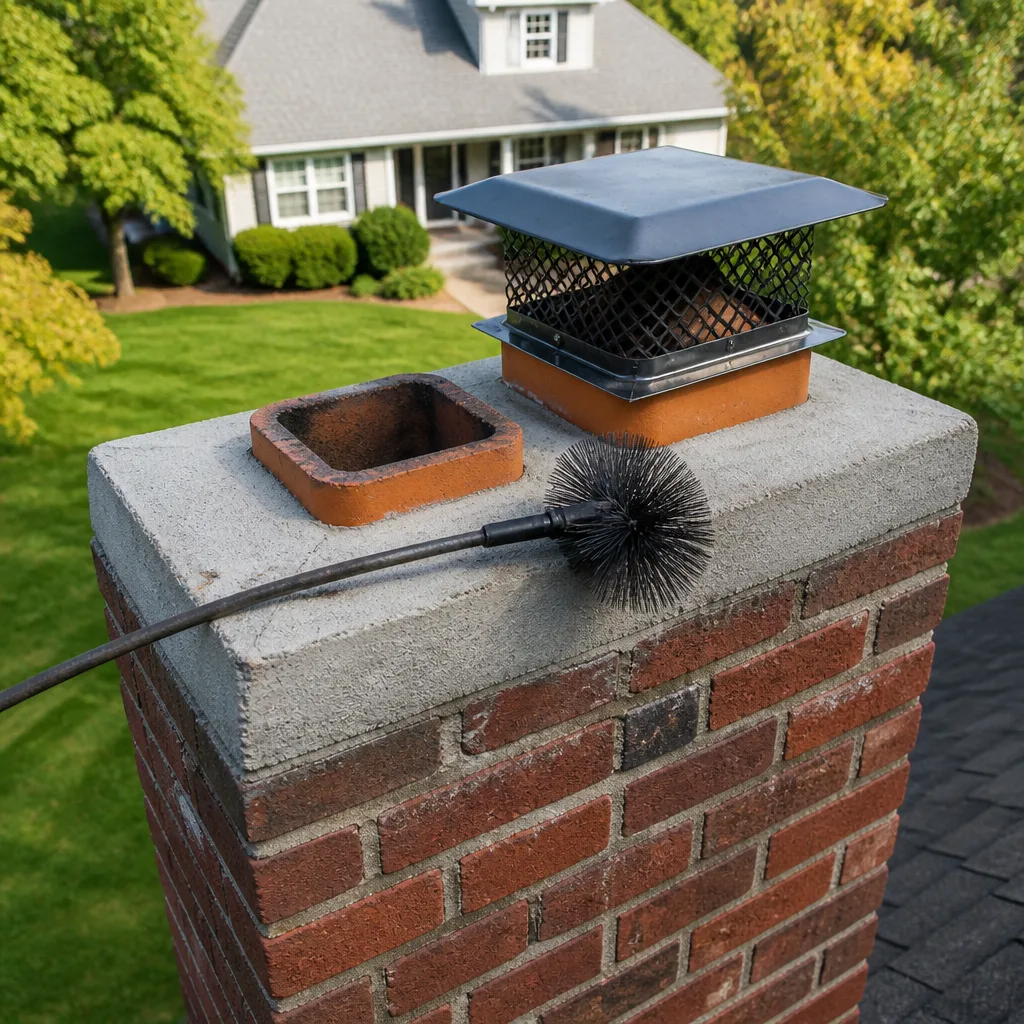 Sweep & inspection
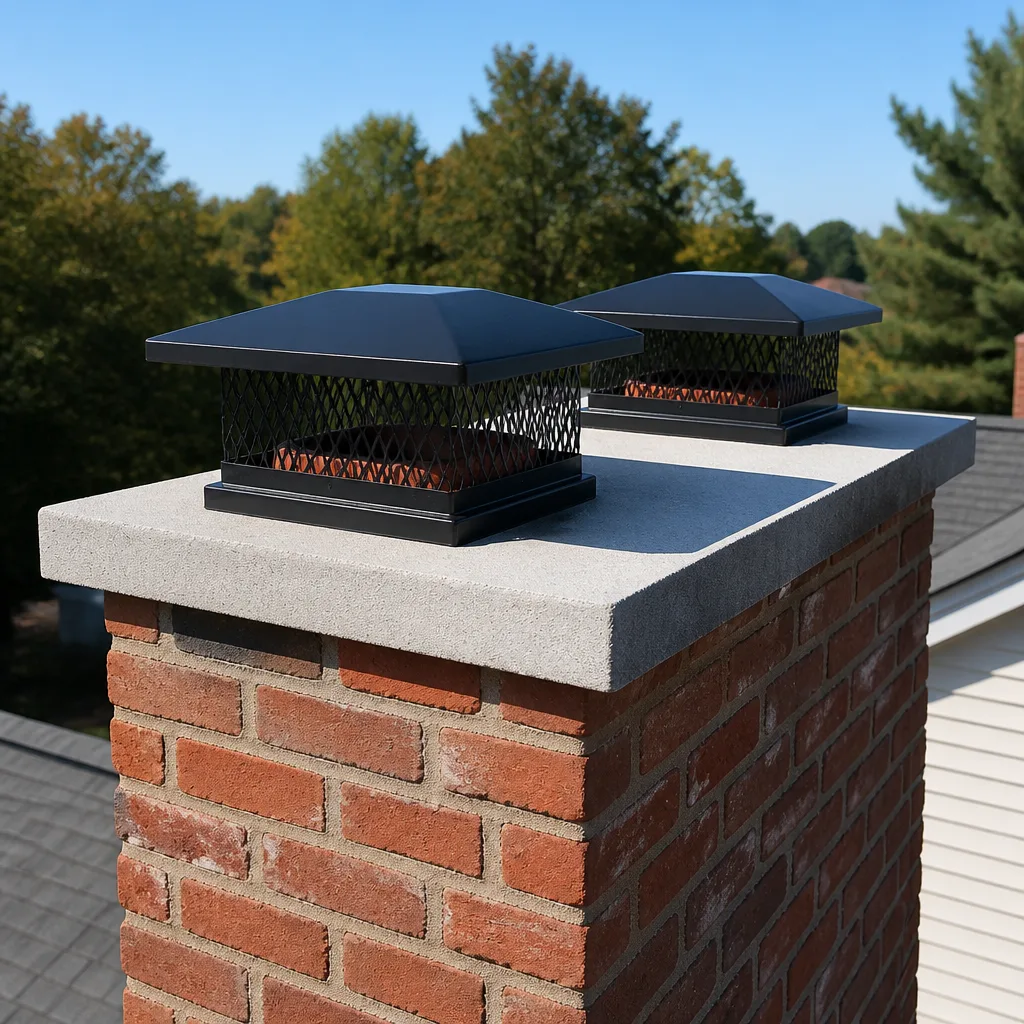 Caps & crowns
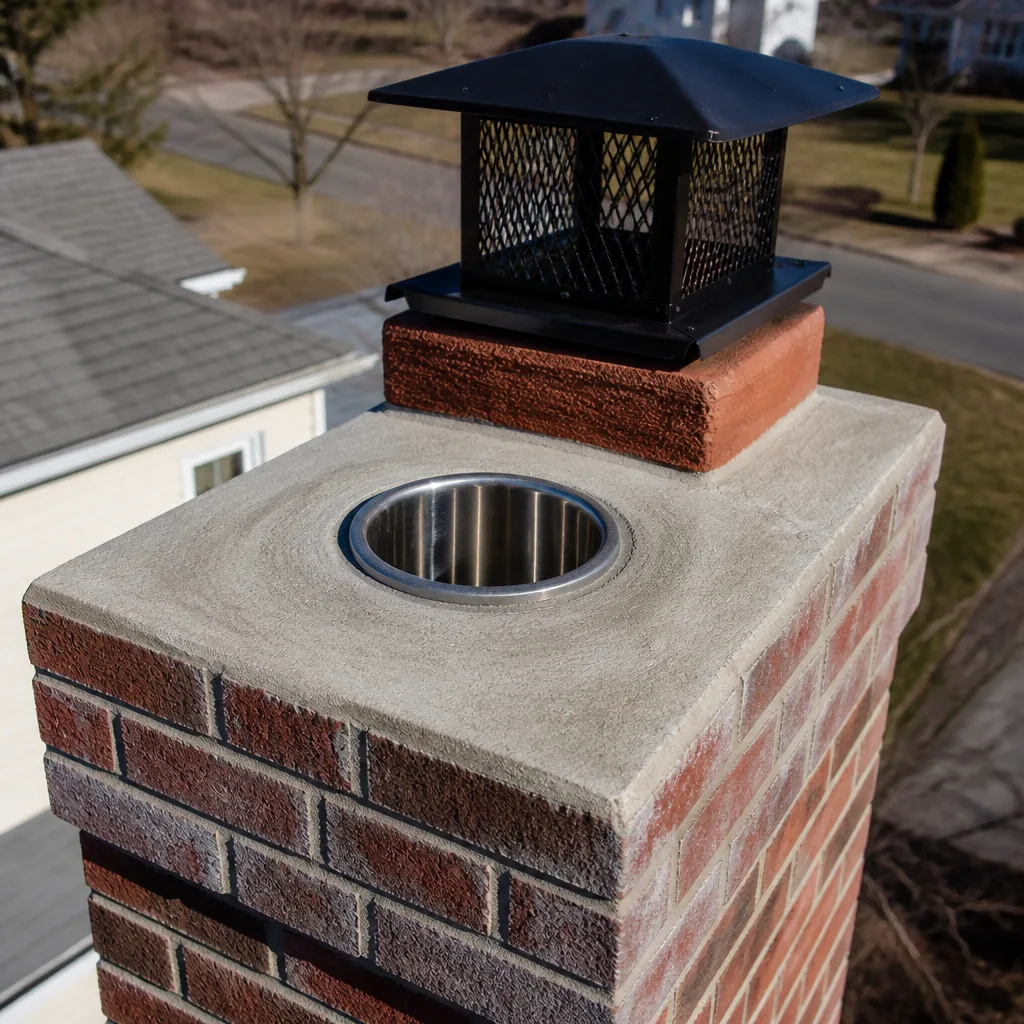 Flue relining
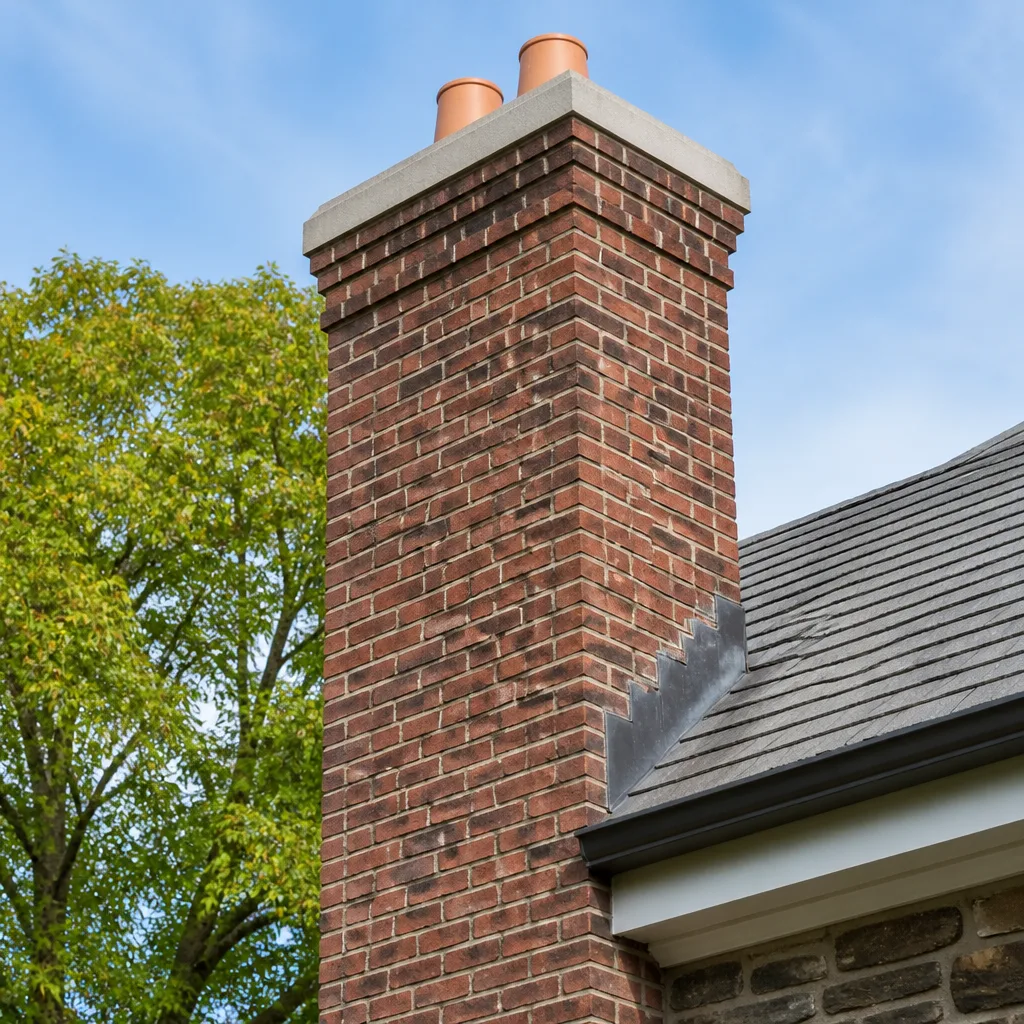 Masonry repair
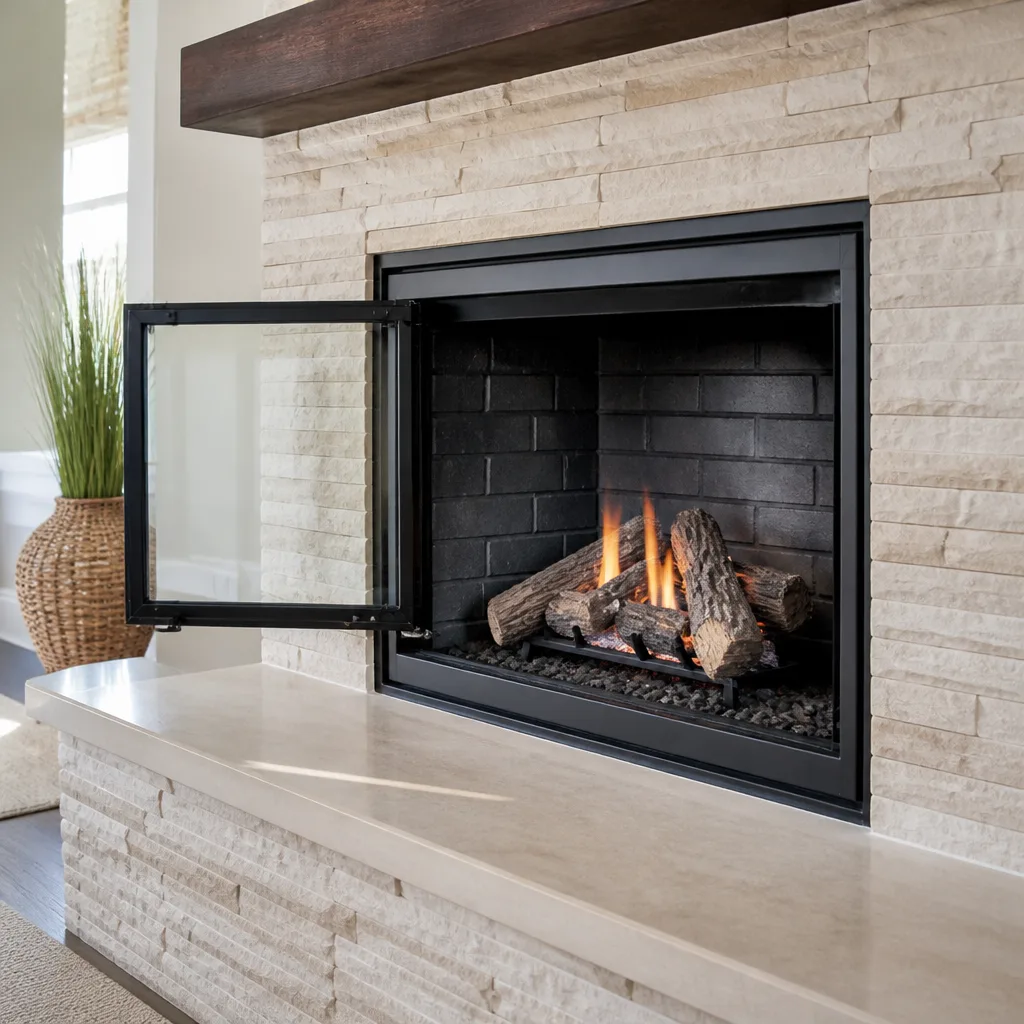 Gas fireplace service
Level 1 sweep and inspection to the NFPA 211 annual standard - flue, crown, cap, and flashing checked and photographed
Chimney sweep logs do not sweep chimneys. They loosen some creosote - which then falls where a brush and vacuum still have to collect it.
Chimney Sweep Maintenance Checklist for Elmwood Village Homeowners
A chimney swept clean in October can be a fire hazard by February. That isn’t a scare line – it’s what happens when a household burns unseasoned wood through a Buffalo winter. The calendar says “done for the year.” The flue says otherwise. Creosote builds by the pound, not by the month, and the schedule that matters is the one your fire is actually writing. So this guide skips the tidy annual reminder you’ve read before. Instead, it hands Elmwood Village homeowners a condition-based checklist: what to look at, what the observations mean, and when a condition overrides the calendar entirely. By the end you’ll know how to read your own chimney from the ground and the firebox, and how to bring us real data instead of a guess.
Quick Answer
A homeowner maintenance checklist works best when it’s driven by conditions, not dates: check the crown, cap, and mortar joints from ground level at least monthly during burning season, test the damper and shelf deposits at the firebox, track how much and what kind of wood you burn, and call a professional for a full inspection and sweep whenever you see cracking, staining, cap movement, or heavy soot. In Elmwood Village, where winters are long and wood use is steady, the season’s burn load matters more than the month on the calendar.
Styles & brands we work with
- Sweep & inspection
- Caps & crowns
- Flue relining
- Masonry repair
- Gas fireplace service
Table of Contents
- Why the Annual Schedule Myth Is Quietly Dangerous
- The Exterior Check: What You Can See From the Ground
- The Interior Check: Firebox, Damper, and the Shelf Deposit Test
- Fuel-Load Math: How Much Wood You Burn Changes Everything
- What to Document Between Professional Visits
- The Five Conditions That Override the Schedule
- A Season-by-Season Walkthrough for Elmwood Village
- When to Bring In a Professional
Why the Annual Schedule Myth Is Quietly Dangerous
The “sweep it once a year and forget it” rule is convenient, and it’s also the reason we find glazed creosote in flues that were cleaned last fall. A chimney is a mechanical system that reacts to what you put into it. Two households on the same block in Elmwood Village, both swept in September, can be in completely different shape by March. One burned dry, seasoned hardwood and stayed ahead of the buildup. The other burned whatever was stacked out back, damp oak included, and loaded the flue with far more creosote than a single season should produce.
Creosote forms in stages, and the stages behave differently. A light, flaky soot brushes out easily. A tar-like deposit is stickier and harder to remove. Glazed, hardened creosote – the kind that forms when smoke cools too fast against a cold flue – is the stage that fuels chimney fires, and it doesn’t announce itself. You won’t smell it from the living room.
That’s the core problem with a pure calendar schedule: it assumes every chimney ages at the same rate. It doesn’t. Your wood, your burn habits, your flue’s lining, and how often you light the fire all move the timeline. The checklist below is built around conditions you can observe, so you’re reacting to what your chimney is actually doing rather than what the calendar assumes it’s doing.
If you want the full picture of what a professional service covers, our Chimney Sweep Elmwood Village page walks through the whole process. This guide is the homeowner’s half of that relationship – the observations you can make between visits.
The Exterior Check: What You Can See From the Ground
You don’t need a ladder to catch most exterior problems. Your roof, your chimney top, and your masonry are all visible from the yard with a pair of binoculars and ten minutes. This is the first line of defense, because water is the most common destroyer of chimneys, and water damage almost always starts at the top and works down.
What to look for on the crown
The crown is the concrete cap at the very top of the chimney that sheds water away from the masonry. When it cracks, water runs into the brick instead of off it. Look for hairline cracks, pieces flaking away, or a crown that’s pulling back from the flue. A crown with the wrong pitch – too flat – holds water and fails faster. We install and repair crowns with Gelco chimney covers and proper pitch because a crown that sheds correctly is what keeps the rest of the chimney dry.
What to look for in the masonry
- Mortar joint recession: the mortar between bricks should sit roughly flush. When the joints recede, water gets in and freeze-thaw cycles in a Buffalo winter push bricks apart.
- Efflorescence staining: the white, chalky residue on brick means moisture is moving through the masonry and leaving mineral deposits behind. It’s a symptom, not just a cosmetic issue.
- Spalling brick: brick faces peeling or flaking off. That’s freeze damage in progress.
- Rust stains: usually from a damper or cap component corroding, and a sign water is getting where it shouldn’t.
What to look for on the cap
A chimney cap is the cover over the flue that keeps rain, snow, and animals out while letting smoke escape. Check that it’s sitting level and hasn’t shifted after a windstorm. A displaced or missing cap lets water straight into the flue, which is the fastest path to a liner replacement. We size caps with Olympia Chimney and Famco components so the fit is right and the draft isn’t choked. Learn more on our chimney cap & crown page.
The Interior Check: Firebox, Damper, and the Shelf Deposit Test
Most of what a professional assesses inside the chimney isn’t reachable from the living room, but you can still gather useful information at the firebox. These three checks take five minutes and give you a real read on how the flue is behaving.
1. Check the damper
The damper is the metal plate above the firebox that opens and closes. Open and close it by hand. It should move smoothly and seat fully. A damper that sticks, won’t close all the way, or is rusted through means heat and smoke are leaking when you’re not burning – and it can compromise how the fire draws. Note what you find.
2. Look at the smoke chamber
Shine a light up past the damper into the smoke chamber – the funnel-shaped area between the firebox and the flue. You’re looking for rough, crumbling surfaces and heavy soot coating. A smoke chamber that’s been improperly parged or has deteriorated is a draft and safety concern. This is one of the areas we restore with HeatShield resurfacing compound when the flue is still structurally sound and doesn’t need a full reline.
3. Run the shelf deposit test
This is the single most useful thing a homeowner can do between visits. Reach into the firebox, above the damper or on the smoke shelf, and wipe a finger across the deposit.
- Flaky, dry, and soot-like: early-stage buildup. Normal, keep burning and watch the fuel.
- Sticky, tar-like, and grainy: second-stage creosote. Time to book a sweep – don’t wait for a date.
- Hard, glazed, and shiny: third-stage creosote. Stop burning and get a professional inspection. This is the stage most associated with chimney fires.
Do this every few weeks through burning season. The reading tells you more about your actual buildup than any schedule. When it’s time, a proper chimney sweep clears the flue and confirms there’s nothing deeper going on.
Fuel-Load Math: How Much Wood You Burn Changes Everything
This is the part most checklists skip, and it’s the part that matters most in Elmwood Village. Cleaning frequency follows fuel load, not the calendar. A household that lights a fire most cold nights from November through March is burning far more wood than one that fires up a few evenings a month. More wood means more smoke moving up the flue and more creosote left behind.
Wood species matter too. Hardwoods like oak, maple, and ash are dense and burn hot and long. Softwoods like pine burn fast and cool, and cool smoke deposits creosote faster. And the biggest variable is moisture: unseasoned or “green” wood puts steam and unburned compounds up the flue, and those compounds condense into creosote. Seasoned wood, split and dried properly, burns clean and leaves less behind. If you’re not sure your wood is ready, tap two pieces together – dry wood sounds hollow and cracks sharply.
How to think about your own fuel load
- Light use: occasional fires, well-seasoned hardwood, a working cap and crown. A professional inspection and sweep on a regular cadence plus your own checks is plenty.
- Steady use: a fire most evenings through the cold months. Check deposits more often and expect sweeps based on buildup, not just once a year.
- Heavy use: near-constant burning, or any softwood or unseasoned wood in the mix. Book inspections more frequently and watch the shelf deposit test closely.
In a Buffalo winter, the burn load climbs fast. Track how many fires you light and roughly how much wood you go through. That number, paired with the deposit test, tells you when to call better than October ever will.
What to Document Between Professional Visits
The best thing you can bring to an inspection is information. A technician who knows what you’ve been observing makes a faster and more accurate diagnosis, and can tell you with confidence whether work can wait. Keep a simple log – a notebook or a note on your phone.
- Photos: snap the crown and cap from the ground once a month. A photo series shows change that a single glance at an inspection can’t.
- Burn hours: roughly how many fires and how much wood per month. This tells us your real load.
- Odor changes: note any new smell in the room when the fire isn’t burning, or a smoky smell that lingers. It points to draft or seal issues.
- Draft notes: does the fire start hard, smoke into the room when you light it, or struggle on windy days? Write it down.
- The deposit test reading: record what stage you saw and the date.
When a technician arrives with your log, the conversation shifts from guesswork to evidence. That’s how a good inspection works – conclusions come from what’s actually there, not what we assume.
The Five Conditions That Override the Schedule
Even a condition-based checklist has moments when you skip the checklist and call. These five conditions demand a professional inspection immediately, regardless of when your chimney was last serviced.
- Glazed, shiny, hardened deposits at the smoke shelf or in the firebox. This is third-stage creosote and the highest-risk condition on the list.
- A sudden change in how the fire draws – smoke rolling into the room, a weak draft, or a fire that won’t stay lit. Something in the flue has changed.
- Visible crown cracks, spalling brick, or a displaced cap. Water is already getting in, or about to.
- A new smell of smoke or soot inside the house when nothing is burning. It points to a seal or liner problem.
- Any sign of a previous chimney fire – puffy, honeycombed creosote, warped metal, cracked flue tiles – or a fire you know happened but never had inspected afterward.
If you’re seeing any of these, call (877) 792-5738. We answer 24/7. Fast dispatch from 7am to 7pm, Sunday through Friday. A quick assessment beats waiting for a date on a calendar.
A Season-by-Season Walkthrough for Elmwood Village
Conditions drive the schedule, but Lake Erie’s weather patterns give Elmwood Village a rhythm worth planning around. Here’s how the checklist seasons out across a Buffalo-area year.
Before the first fire (early fall)
- Ground-level exterior check: crown, cap, mortar joints, staining.
- Confirm the damper opens and closes fully.
- Get your wood inspected for seasoning before you burn it.
- Book a professional inspection and sweep if you’re due or if the deposit test showed buildup.
Through burning season (winter)
- Run the shelf deposit test every few weeks.
- Keep an eye on the cap after windstorms or heavy snow.
- Track burn hours and wood use in your log.
- Watch for draft changes or new interior odors.
Late winter into spring
- Re-check the crown and mortar after repeated freeze-thaw cycles, which are hard on masonry in this climate.
- Note any efflorescence that appears as snow melts.
- A spring inspection catches winter damage before it becomes a bigger chimney repair job.
Summer
This is the ideal window for repairs – crowns, liners, caps. The flue is idle, and non-burning months are the easiest time to dry, seal, and restore. If your checks flagged anything over the winter, schedule it now.
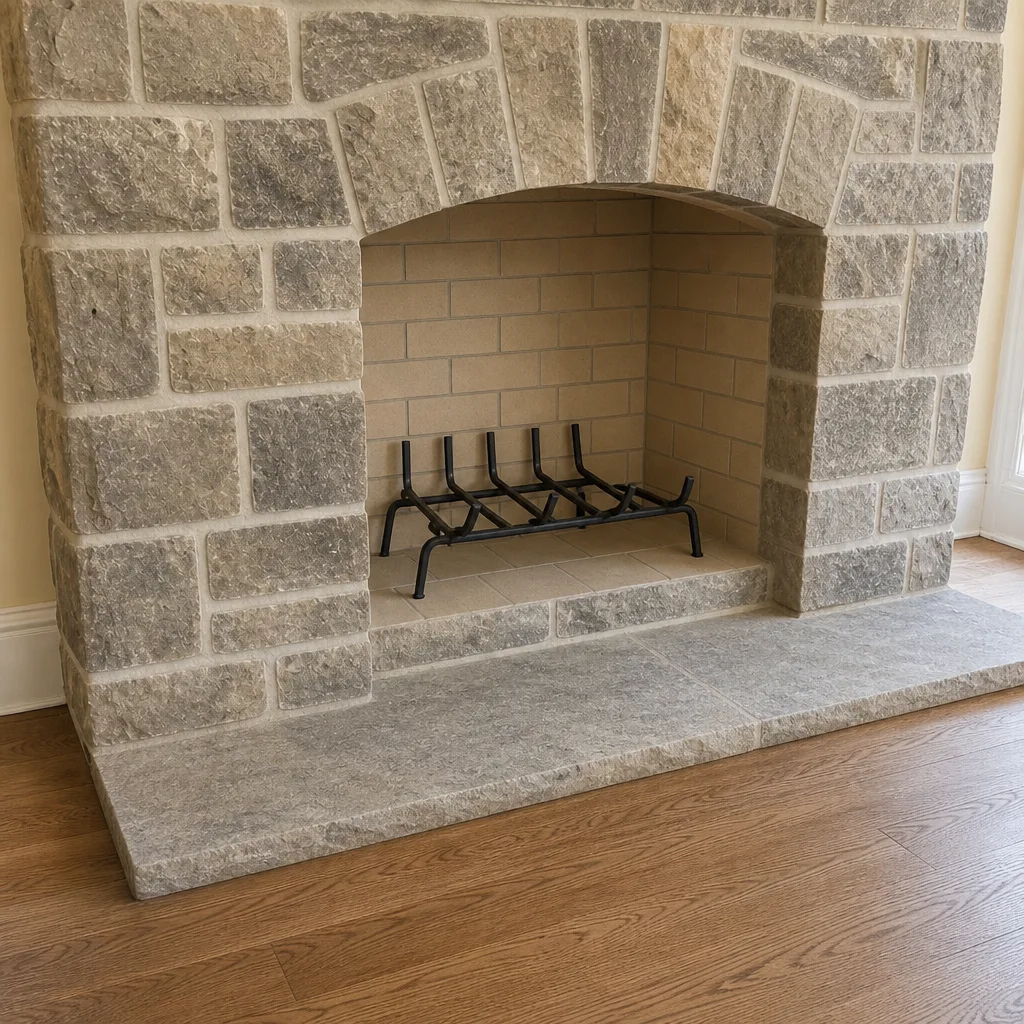
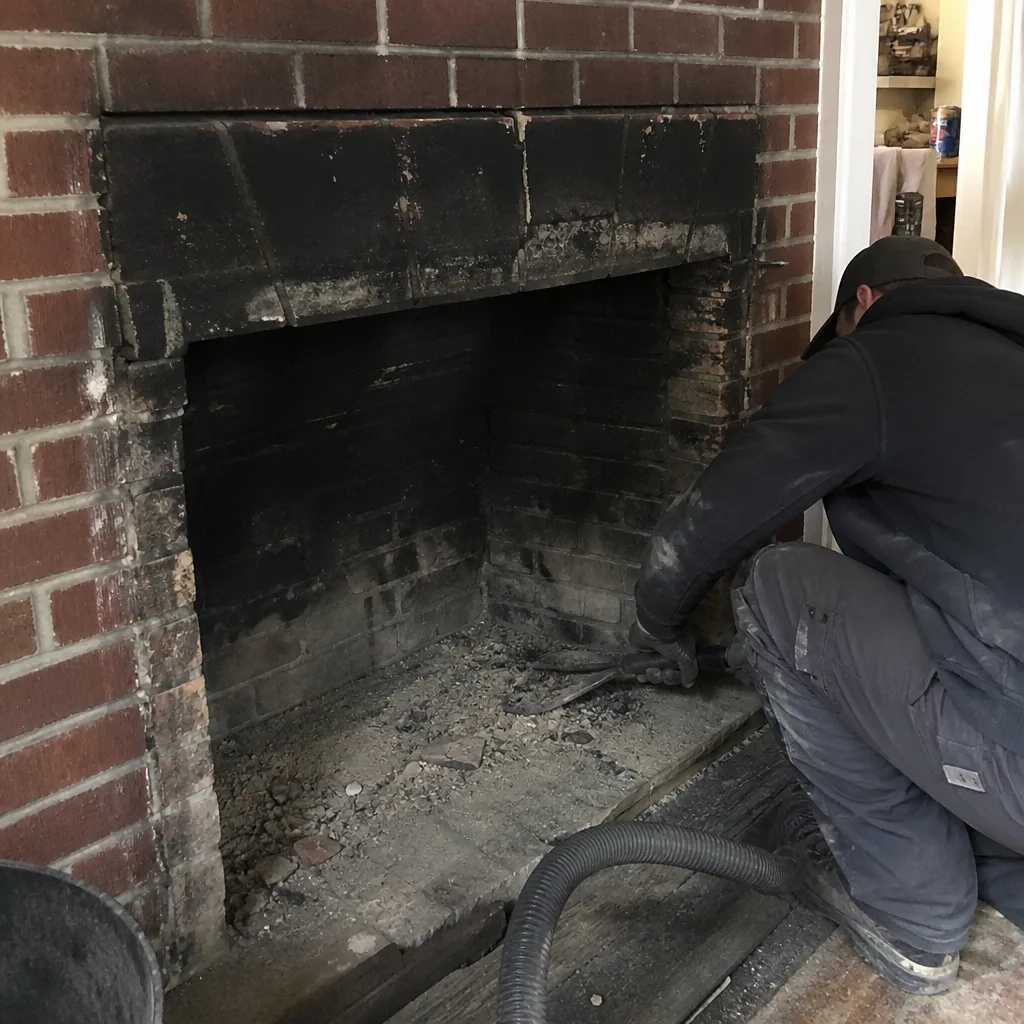
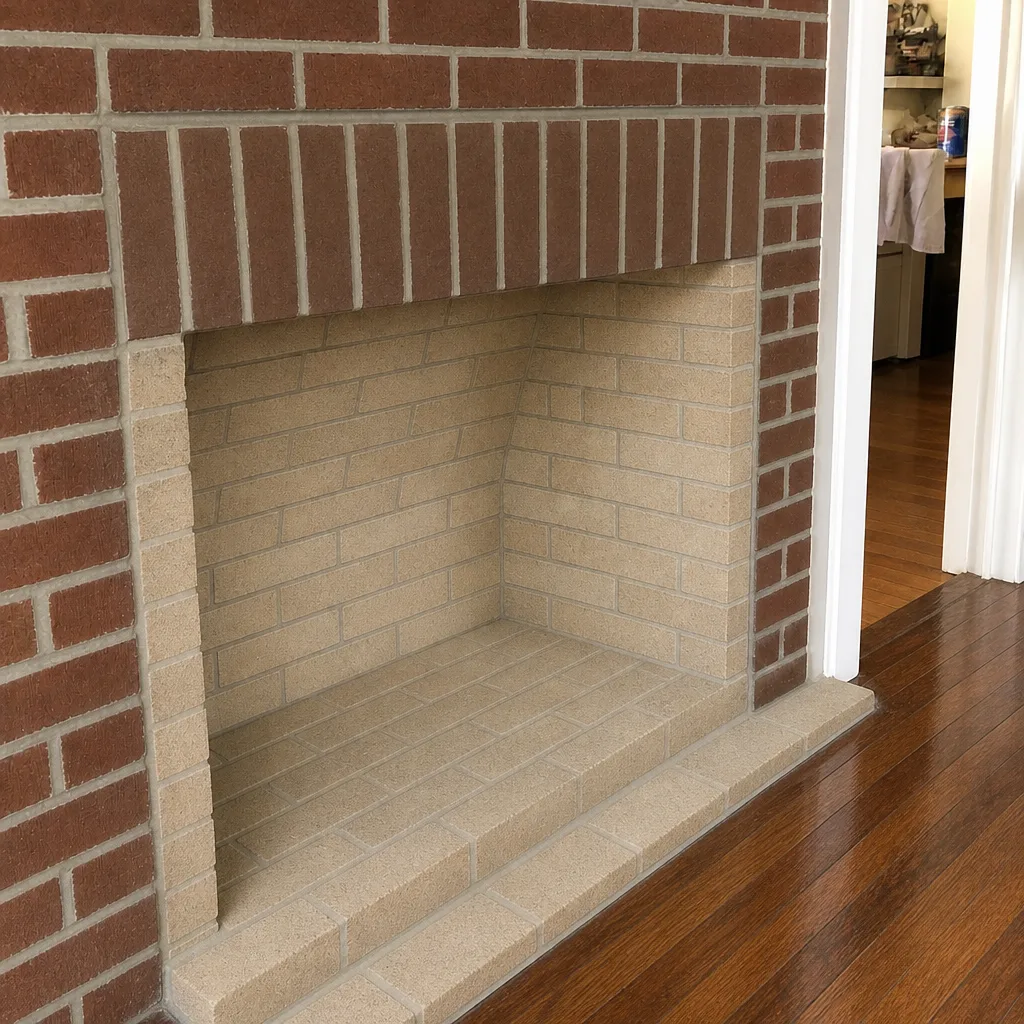
See the difference
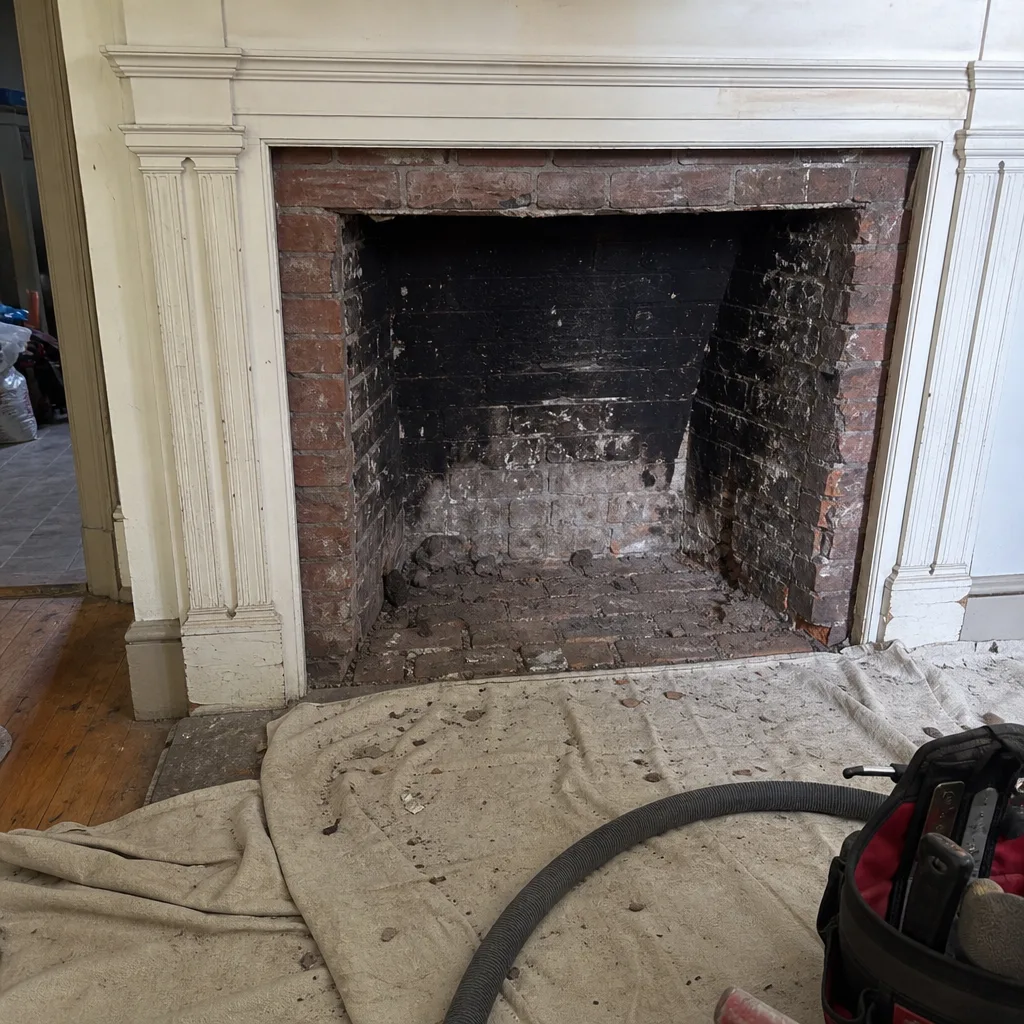 Before
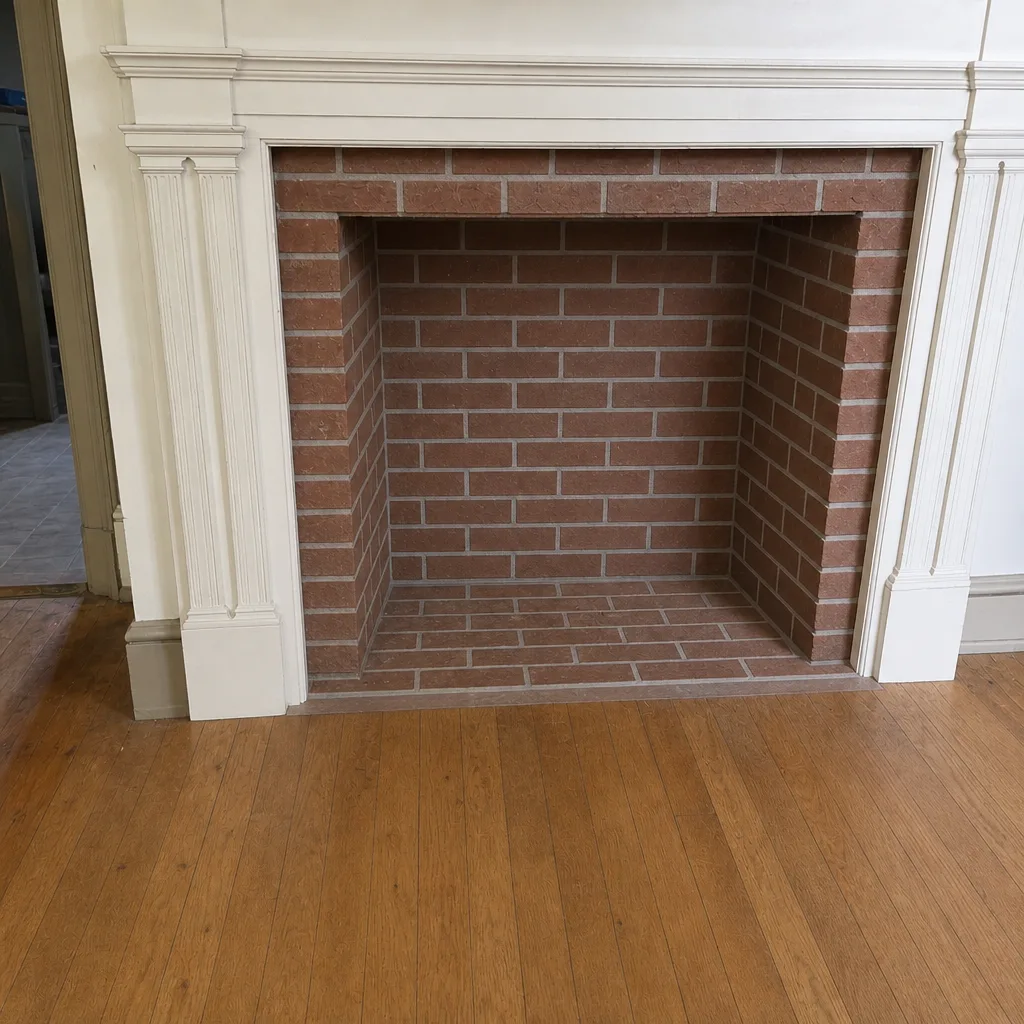 After
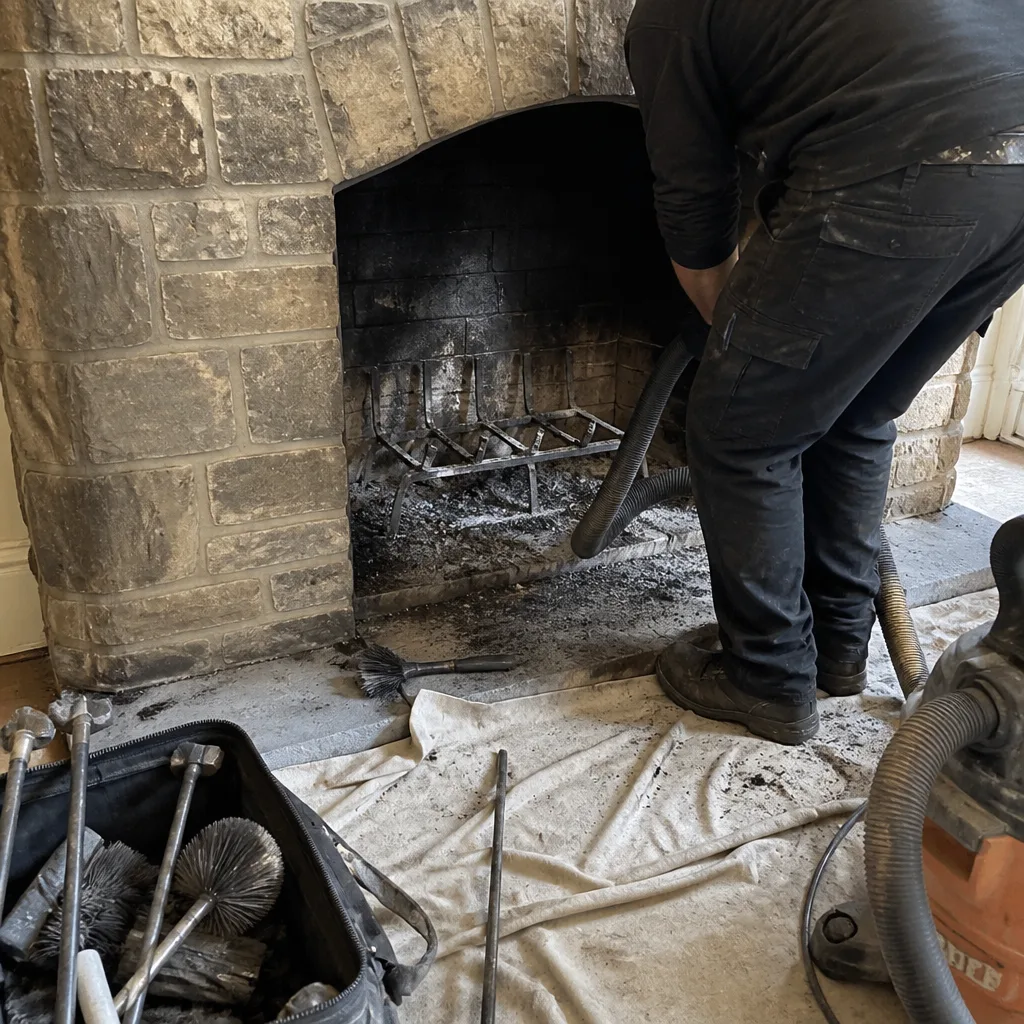 Before
 After
 Before
 After
Common Mistakes to Avoid
- Treating the sweep date as a finish line. A cleaning in September says nothing about March. Keep checking through the season.
- Burning unseasoned wood to save time. Green wood loads the flue with the moisture and compounds that form creosote fastest. Dry it properly first.
- Ignoring a cracked crown. Small cracks funnel water into brick. In a climate with real freeze-thaw cycles, that damage accelerates.
- Running without a cap. An open flue invites rain, snow, and animals. A properly sized cap – we use Olympia Chimney and Famco – is cheap insurance against a liner replacement.
- Skipping the smell. A smoke odor in the house that wasn’t there before is a signal, not a nuisance. Note it and act on it.
- Waiting for a calendar month after a chimney fire. Any known or suspected fire needs an inspection before you burn again.
- Letting a handyman do liner or crown work. This is a mechanical system with specific materials and standards. It should be assessed by a chimney specialist.
When to Call a Professional
You now have most of what you need to be a competent first-line observer. The professional half is where trained eyes and proper materials take over. Call when you see any of the five override conditions, when your shelf deposit test reads tar-like or glazed, when the exterior check shows cracking, spalling, or a shifted cap, or when your log shows a heavy burn load heading into a Buffalo winter. A professional chimney repair or inspection catches what a ground check can’t reach, from liner condition to the smoke chamber.
Chimney Sweep Elmwood Village offers free estimates in Elmwood Village. Call (877) 792-5738. We answer 24/7, and fast dispatch runs 7am to 7pm, Sunday through Friday. Our technicians have up to 14 years of experience, and we work from inspection through repair in one relationship – no handoffs.
Frequently Asked Questions
Based on conditions, not just the calendar. A chimney should be swept when buildup reaches about a quarter inch of deposit, or when the shelf deposit test reads tar-like or glazed – regardless of when it was last cleaned. In Elmwood Village, where long winters mean heavy wood use, that often lands more than once a year for steady burners. Track your fuel load and check deposits through the season.
Glazed, shiny creosote, a fire that suddenly draws poorly, smoke rolling into the room, a displaced cap, visible crown cracks, or a smoke smell in the house when nothing is burning. Any of these overrides your schedule. Call (877) 792-5738 and we’ll take a look – estimates are free.
Yes, and they’re the most overlooked parts of the system. The crown sheds water off the top, and the cap keeps rain, snow, and animals out of the flue while letting smoke escape. Without them, water intrudes and freeze-thaw damage starts. A proper cap and crown protect the whole chimney – see our cap and crown work for the details.
A great deal. Seasoned hardwood burns clean and leaves less creosote; green or soft wood burns cooler and loads the flue faster. Two Elmwood Village households with the same sweep date can be in very different shape by February depending on wood quality and burn volume. Track what you burn and test deposits every few weeks to know your real schedule.
Creosote builds to dangerous stages, water erodes the crown and masonry, and small problems grow into liner or crown replacement jobs. The real risk is a chimney fire fed by glazed creosote, or carbon monoxide issues if the flue is compromised. We never scare-sell, but the honest answer is that a skipped chimney costs more to fix than to maintain. Call for an exact quote – estimates are free.
It depends on the condition, and you shouldn’t have to guess. When the flue is structurally sound, HeatShield ceramic resurfacing restores it without a full reline – less cost and disruption. When it isn’t, we install a DuraFlex flexible liner, which handles the irregular flue paths common in older Elmwood Village homes. We diagnose first and recommend based on what’s actually there.
The Bottom Line
A maintenance checklist earns its keep when it’s built on conditions you can observe, not dates you can’t control. Check your crown, cap, and mortar from the ground; test the damper and the shelf deposit at the firebox; track how much and what kind of wood you burn; and keep notes so your technician starts with real data. Those five override conditions – glazed creosote, draft changes, structural damage, new odors, or a past fire – always win over the calendar. Do your half well, and bring in a specialist for the rest. The payoff is a chimney that’s safer all winter, not just on the day it was swept.
When it’s time for a professional look, call (877) 792-5738 for a free estimate. We answer 24/7. Fast dispatch from 7am to 7pm, Sunday through Friday.
Written by the team at Chimney Sweep Elmwood Village.