
Last updated November 25, 2026
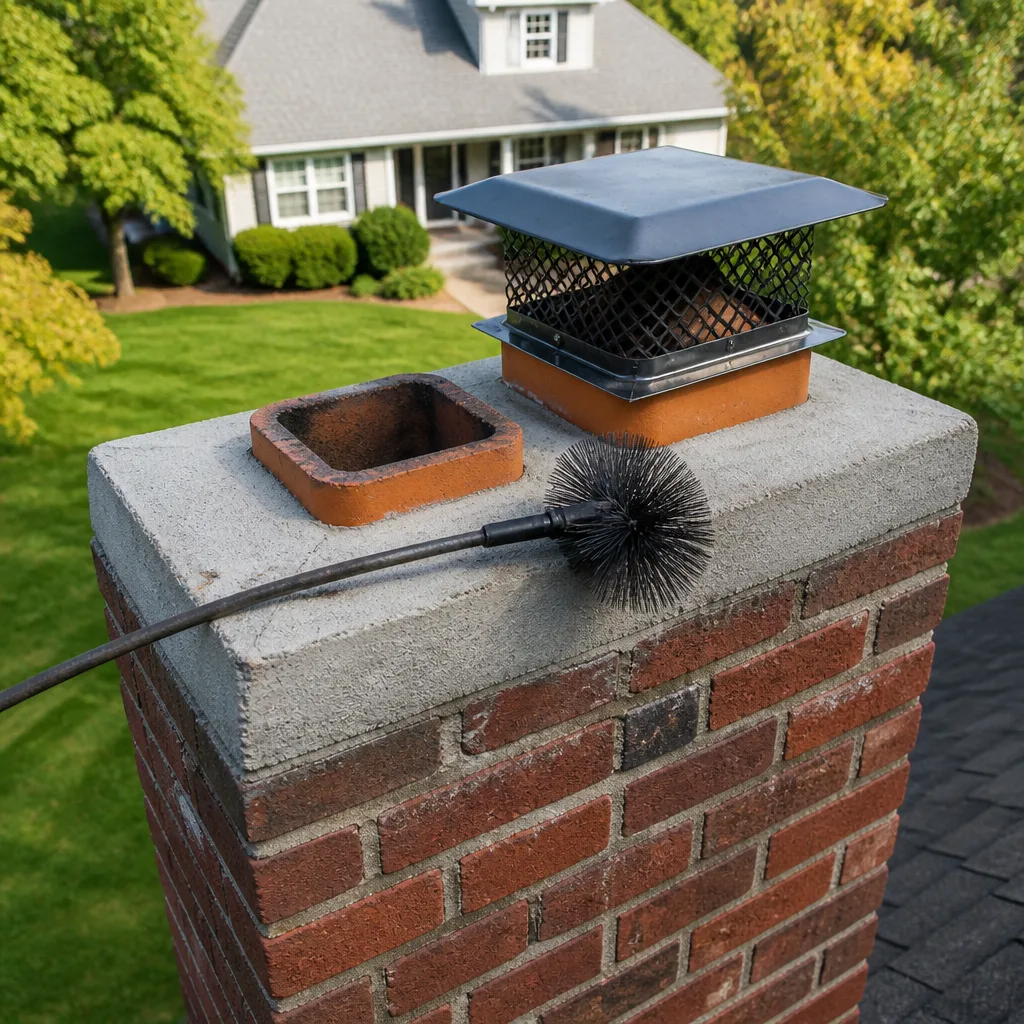 Sweep & inspection
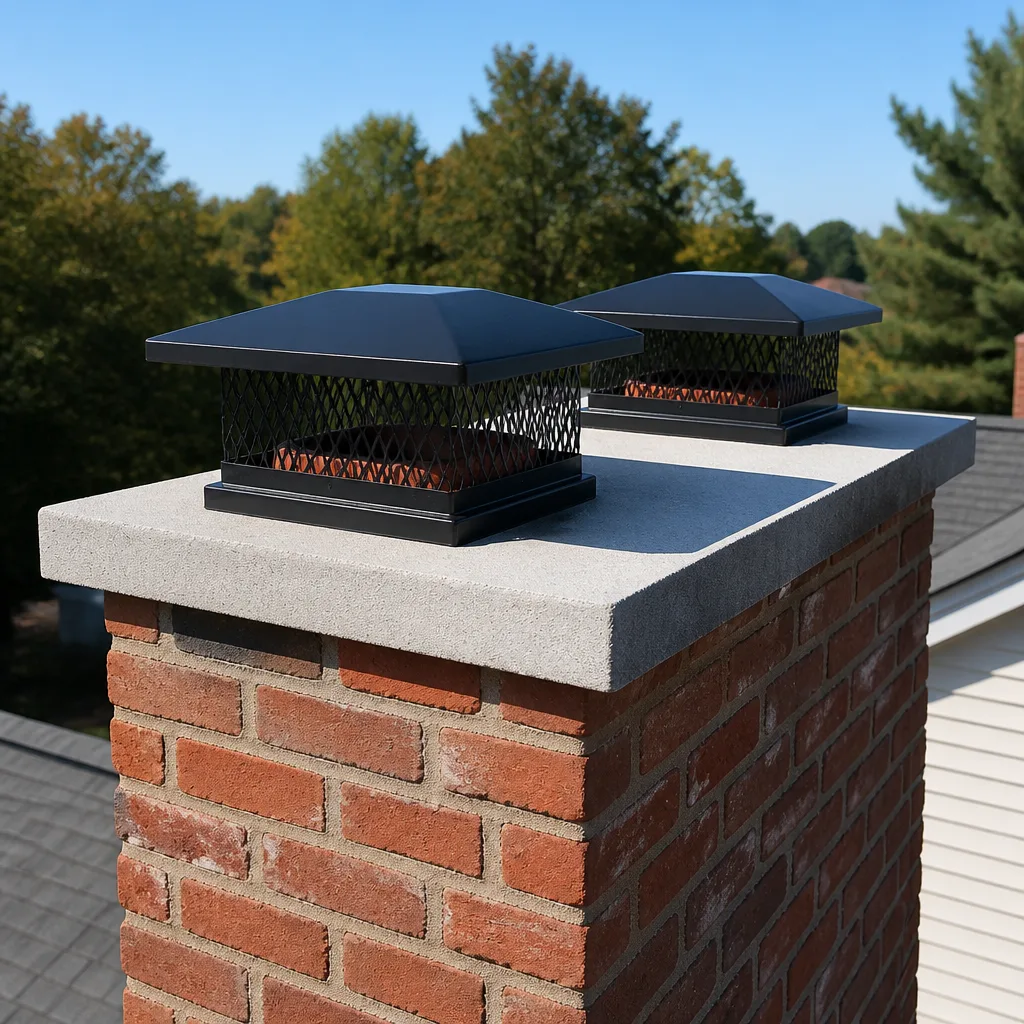 Caps & crowns
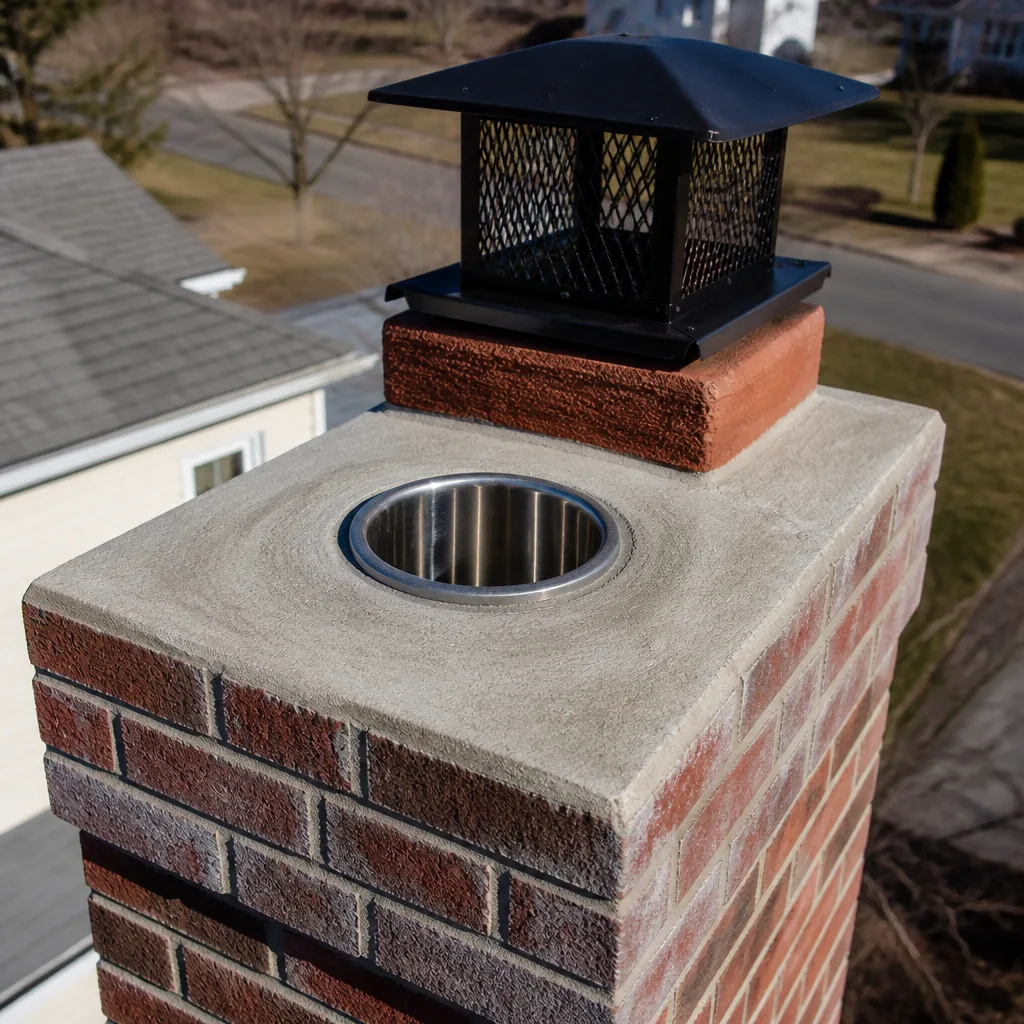 Flue relining
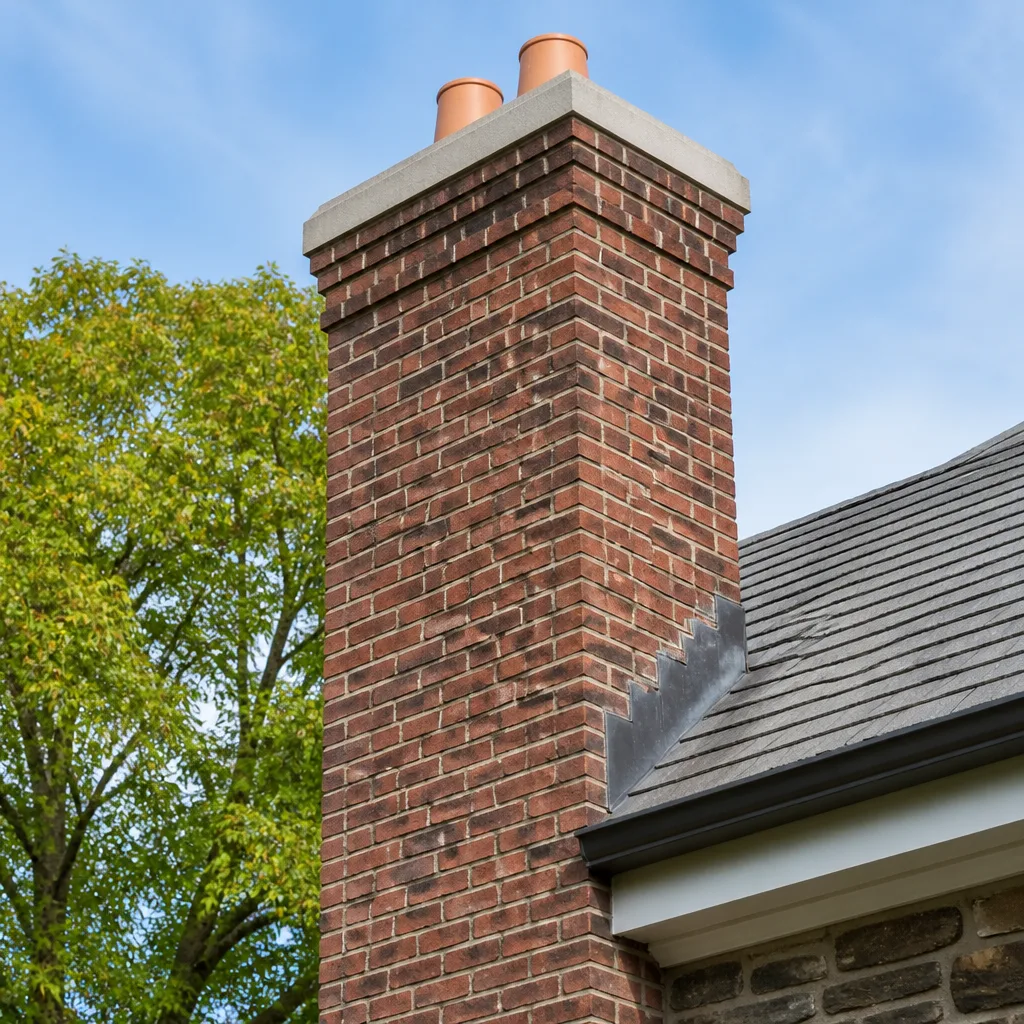 Masonry repair
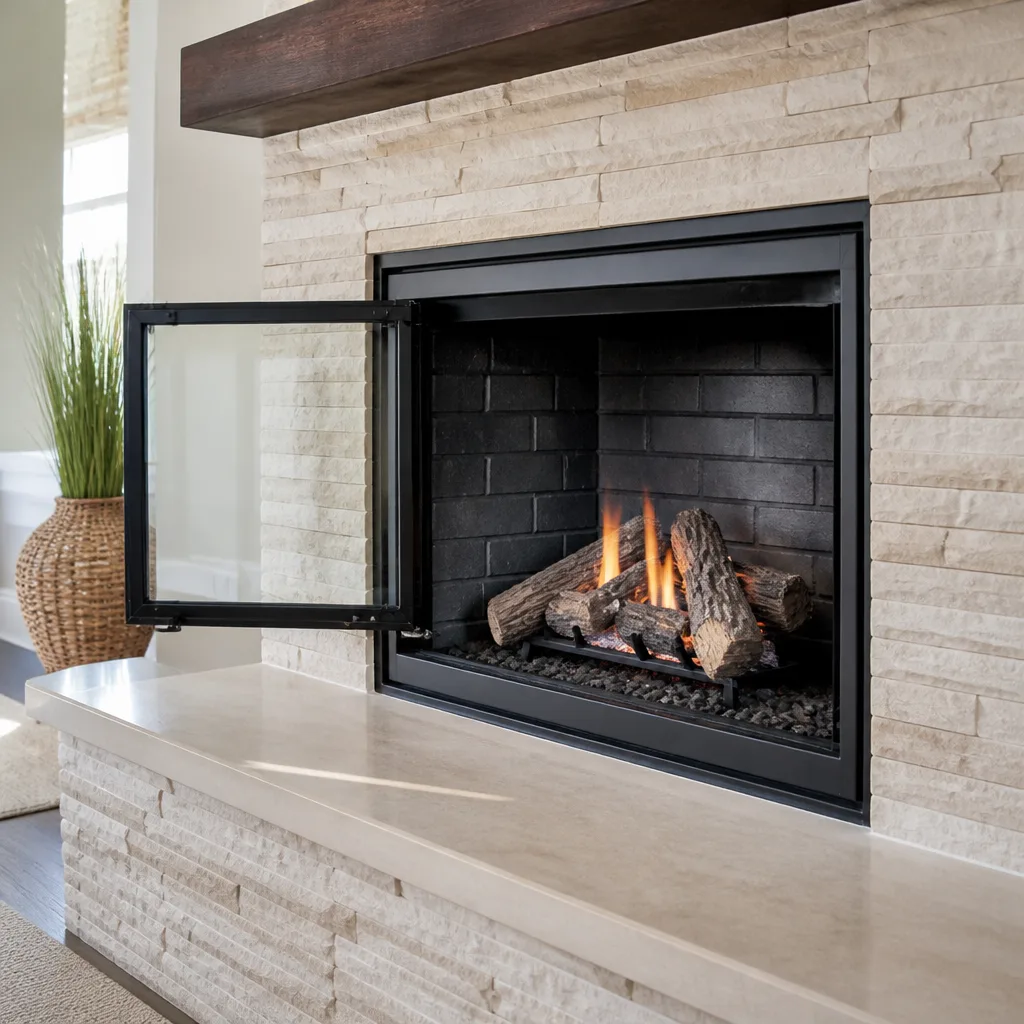 Gas fireplace service
Level 1 sweep and inspection to the NFPA 211 annual standard - flue, crown, cap, and flashing checked and photographed
Chimney sweep logs do not sweep chimneys. They loosen some creosote - which then falls where a brush and vacuum still have to collect it.
Chimney Sweep Troubleshooting in Elmwood Village: Common Problems and How to Fix Them
If your fireplace smokes back into the room, your first instinct is probably to blame the damper. In our experience, the damper is functioning exactly as designed in most smoky-fireplace calls, and the real culprit sits somewhere above the roofline: a blocked flue, a pressure imbalance, or a liner that’s too small for the firebox below it. That gap between where a symptom shows up and where the problem actually lives is the single biggest reason homeowners spend money on the wrong fix. This guide teaches you to read your chimney’s signals from the top down, in an Elmwood Village housing stock where original flues, freeze-thaw winters, and decades of use all leave their fingerprints.
Quick Answer
Most chimney problems in Elmwood Village – smoky fireplaces, creosote odor, white staining on exterior brick, or draft that fails on cold mornings – trace back to the flue, liner, crown, or cap rather than the firebox or damper. The fix usually starts with a proper inspection and sweep, then moves to the specific component that’s failing: a resurfaced flue with HeatShield, a correctly sized DuraFlex liner, or a Gelco cap that stops water at the top. Diagnosing from the bottom up wastes money; diagnosing from the top down finds the real cause once.
Styles & brands we work with
- Sweep & inspection
- Caps & crowns
- Flue relining
- Masonry repair
- Gas fireplace service
Table of Contents
- Why You Should Troubleshoot Your Chimney From the Top Down
- Smoky Fireplace? Three Causes That Look Identical From the Living Room
- What White Staining on Your Exterior Masonry Is Telling You
- Why a Just-Swept Chimney Still Smells Like Creosote in Summer
- Reading Chimney Sounds: Liner Cracks, Warped Dampers, and Animal Blockages
- How Elmwood Village Freeze-Thaw Cycles Fracture Crowns
- A Top-Down Troubleshooting Sequence You Can Follow
- Common Mistakes to Avoid
Why You Should Troubleshoot Your Chimney From the Top Down
A chimney is a vertical system. Air enters at the firebox, heats, rises through the flue, and exits past the cap. Every component in that path affects every other one, but they fail in order of exposure. The crown, cap, and top of the flue take the weather first. The liner takes the heat and the condensate second. The firebox and damper take the least direct abuse and are usually the last things to fail.
That’s why we start at the roof and work down. When a homeowner describes smoke rolling into the room, the instinct is to inspect the damper and the firebox. But if the cap is clogged with a bird’s nest or the crown has cracked and let water into the masonry, no amount of damper work will fix the symptom. The problem lives higher up.
Elmwood Village homes make this especially important. Many of the neighborhood’s older houses were built with flues that were sized for coal or for open fires burning softwood, and some have been relined over the years with materials that don’t match the current firebox. When we inspect a chimney here, we’re looking at the whole path: cap, crown, flue tile, liner, smoke chamber, damper, and firebox. The signal that looks like a firebox problem is often a top-of-the-chimney problem wearing a disguise.
If you’re starting from scratch, the right first move is a Chimney Sweep Elmwood Village inspection that documents every stage of the flue with photos you can see. From there, the diagnosis usually narrows fast.
Smoky Fireplace? Three Causes That Look Identical From the Living Room
A fireplace that smokes back into the room has three common causes, and from your armchair they look the same. Distinguishing them takes a few targeted observations, and getting the right one saves you from paying for the wrong repair.
1. Negative air pressure (backdraft)
Modern Elmwood Village homes are tighter than the houses were when these chimneys were built. A kitchen exhaust fan, a bathroom fan, or a high-efficiency furnace pulling combustion air from the house can depressurize the living space enough to reverse the draft. Tell-tale signs: the fireplace burns fine with a window cracked, or smokes only when another fan is running. The fix is usually make-up air or a top-sealing damper, not a new flue.
2. Flue blockage
A blocked flue – nest, leaf pack, fallen tile, or heavy creosote glaze – produces smoke that rolls out steadily regardless of fans or windows. The fire struggles from the moment you light it. A camera inspection confirms this in minutes, and the fix is a sweep. If the blockage is a broken tile or a collapsed liner section, that’s chimney repair territory.
3. Sizing mismatch
When a flue is too large for the firebox, the smoke cools before it exits and stalls. Too small, and it can’t move the volume. Both produce smoke that starts fine and then backs up as the fire grows. A properly sized DuraFlex liner fixes a flue that’s been oversized or undersized since the day it was built, and the flexible construction works in the irregular flue paths common in older Elmwood Village construction.
What White Staining on Your Exterior Masonry Is Telling You
White, powdery staining on exterior brick or mortar is efflorescence – mineral salts pushed to the surface by moisture moving through the masonry. It is not cosmetic. It’s a signal that water is traveling through the chimney structure, and in most cases that water got in at the top: a cracked crown, an unsealed cap, or a missing rain cover.
The path water takes matters. If it’s entering at the crown, it saturates the masonry from above and works its way down toward the liner. If it’s entering around the cap or flue tile, it can drip directly onto the liner and into the smoke chamber. Either way, the efflorescence on the outside is the small visible part of a problem happening inside.
Left alone, water migration through a chimney does two expensive things. It freezes in the masonry during an Elmwood Village winter, expanding and spalling the brick face. And it degrades the liner, which was never meant to sit wet. By the time the liner cracks, the repair has moved from crown work to relining.
This is where we recommend getting ahead of it. A properly pitched crown using HeatShield resurfacing compound sheds water away from the flue instead of letting it pool, and a Gelco chimney cover sized correctly for the flue opening keeps rain and animals out at the same time. Both are cheap compared to a liner replacement. If you’ve seen efflorescence on your chimney and want the cause identified, call (877) 792-5738. We answer 24/7.
Why a Just-Swept Chimney Still Smells Like Creosote in Summer
A chimney that smells like creosote in the summer is not necessarily dirty, and sweeping it again usually doesn’t help. The odor comes from creosote residue and soot that were left on the flue walls after the last fire, and when the weather turns warm and humid, that residue off-gasses into the house. The chimney is clean enough to pass inspection and still smell.
There are three real fixes, and none of them is another sweep:
- Seal the flue at the top. A top-sealing damper or a correctly fitted cap stops the convection loop that pulls basement and living-space air up the flue all summer. With the flue sealed, the odor stays in the chimney instead of drifting into the house.
- Resurface the flue. If the flue tile is pitted, the creosote can soak into the pores and keep emitting odor. HeatShield ceramic resurfacing seals those pores and gives the flue a smooth surface that resists creosote absorption, without the cost and disruption of a full reline.
- Fix the pressure imbalance. A house that runs slightly negative pressure will pull chimney air into the living space year-round. Make-up air or a top-sealing damper addresses this at the source.
If the chimney was just swept and still smells, the problem is above the sweep, not in it. An inspection that includes the top of the flue will show you which of these three applies.
Reading Chimney Sounds: Liner Cracks, Warped Dampers, and Animal Blockages
Chimneys talk. The sounds homeowners describe usually fall into three categories, and each one points to a different cause. Listening carefully narrows the diagnosis before anyone goes on the roof.
A rattling or ticking sound during a fire
This is the sound of a warped damper plate, or of a loose flue tile that expands as it heats. A warped damper won’t seat properly, which means you lose control of the fire and heat escapes up the flue even when the damper is closed. A loose tile is a structural issue that needs chimney cap & crown or flue repair attention before it cracks.
A fluttering or whistling sound
Whistling usually means air is moving through a gap that shouldn’t be there – a cracked liner, a gap in the smoke chamber, or a poorly sealed flue joint. The sound is often worse in windy weather because the pressure differential across the crack changes with the gusts. Cracked liners are a fire hazard: heat and embers can reach the surrounding framing. This is why a whistling chimney is not something to sit on.
Scratching, thumping, or flapping sounds when the fire isn’t lit
That’s almost always an animal. Birds, squirrels, and raccoons find their way into open flues through missing or damaged caps. If you hear scratching and it gets worse toward dusk, you’ve probably got a raccoon that’s raising young in the flue. The animal needs to be removed before the chimney is used, and the cap needs to be replaced with a correctly sized Gelco or Olympia Chimney cover so it doesn’t happen again.
How Elmwood Village Freeze-Thaw Cycles Fracture Crowns
The crown is the concrete or masonry slab on top of your chimney that slopes away from the flue. Its job is simple: shed water off the top of the chimney and away from the brick. Elmwood Village’s winters break crowns faster than almost any other cause, and homeowners read the resulting fractures as cosmetic because they see them from the ground and they don’t look dramatic. They’re not cosmetic.
Here’s the mechanism. Water lands on the crown, enters a hairline crack, and freezes overnight. Ice expands, widening the crack. During the day it thaws, water goes deeper. Overnight it freezes again. Across a single Elmwood Village winter, that cycle can run dozens of times, and each cycle pushes the fracture a little further. By spring, a hairline crack that was invisible in October is a visible split that lets water pour down the inside of the masonry during every rainstorm.
The progression is predictable:
- Hairline crack – not visible from the ground; only an inspection finds it.
- Visible split – water enters the masonry and efflorescence appears on the exterior.
- Spalling – brick faces pop off and mortar joints open.
- Crown failure – the crown breaks apart, water runs directly down the flue, and the liner fails.
Getting ahead of stage one is where the money is saved. We resurface and re-pitch crowns with HeatShield compound, which bonds to the existing crown and forms a water-shedding surface that survives freeze-thaw. If your crown is already at stage three or four, that’s structural repair, and the inspection should have caught it earlier.
A Top-Down Troubleshooting Sequence You Can Follow
Before you call anyone, you can gather the right information to make the diagnosis fast. Here’s the sequence we walk through.
- Look up. From the ground, check the crown for cracks and the cap for damage or obstructions. Take a photo with your phone’s zoom.
- Listen. Note any sounds during a fire and after the fire is out. Rattling, whistling, and scratching each point in a different direction.
- Test the pressure. Light a small fire with a window cracked open. If the fireplace drafts well with the window open and smokes with it closed, you have a pressure problem, not a blockage.
- Check the flue for odor. In summer, note whether the creosote smell is worse on humid days. If it is, the flue needs sealing or resurfacing.
- Inspect the firebox and damper. A warped damper plate or a firebox crack shows itself here, but don’t assume it’s the cause until the top has been ruled out.
- Book a proper inspection. A camera inspection of the full flue confirms which of these applies and gives you a photo report you can review.
That last step matters more than anything else in chimney troubleshooting. Nothing should be recommended to you without camera evidence you can see for yourself, and a trained sweep can tell you plainly when a repair can safely wait. If your Elmwood Village home is due for its annual inspection, we can help. Call (877) 792-5738. We answer 24/7. Fast dispatch from 7am to 7pm, Sunday through Friday.
Common Mistakes to Avoid
- Blaming the damper first. In most smoky-fireplace calls, the damper is fine. Check the cap, crown, and flue before ordering damper work – the problem is usually higher up.
- Treating efflorescence as cosmetic. White staining means water is moving through the masonry. Ignoring it in Elmwood Village’s freeze-thaw climate costs more each winter the crown stays cracked.
- Sweeping again instead of sealing. A creosote smell in summer doesn’t mean the chimney is dirty; it means the flue is open to the house and the residue is off-gassing. A top-sealing damper or resurfacing fixes it.
- Choosing a painter instead of a specialist. A general contractor can patch a crown, but the pitch, thickness, and material matter. A crown that sheds water correctly is the whole point of the work.
- Using generic liners. DuraFlex flexible liner systems are the reference point because they follow the irregular flue paths in older Elmwood Village homes. A rigid liner that doesn’t fit properly is worse than no reline at all.
- Ignoring animal sounds. If scratching continues when the fire’s out, something is in the flue. Animals and their nests block draft and pose a fire risk. Address it before you light a fire again.
- Skipping the annual inspection. An inspection is the cheapest way to catch a crown crack or a liner issue before it becomes a masonry or relining job. It should stand on its own, not as a funnel into repair work.
When to Call a Professional
Some chimney symptoms can wait for your annual inspection. Others can’t. Call a professional right away if you smell gas near the fireplace, if a fire has deposited heavy creosote on the flue (that’s a chimney fire waiting to happen), if a whistle or rattle gets worse with use, if water is visibly running down the inside of the firebox, or if you can hear an animal in the flue. Structural work – crown replacement, liner installation, firebox repair – is not a homeowner job: a chimney is a system, and a partial fix that doesn’t address the whole flue leaves the hazard in place. A trained sweep has the tools to inspect every stage at once and the product knowledge to choose the right fix.
If you need chimney repair or sweeping in Elmwood Village, we offer free estimates. Call (877) 792-5738. We answer 24/7. Fast dispatch from 7am to 7pm, Sunday through Friday.
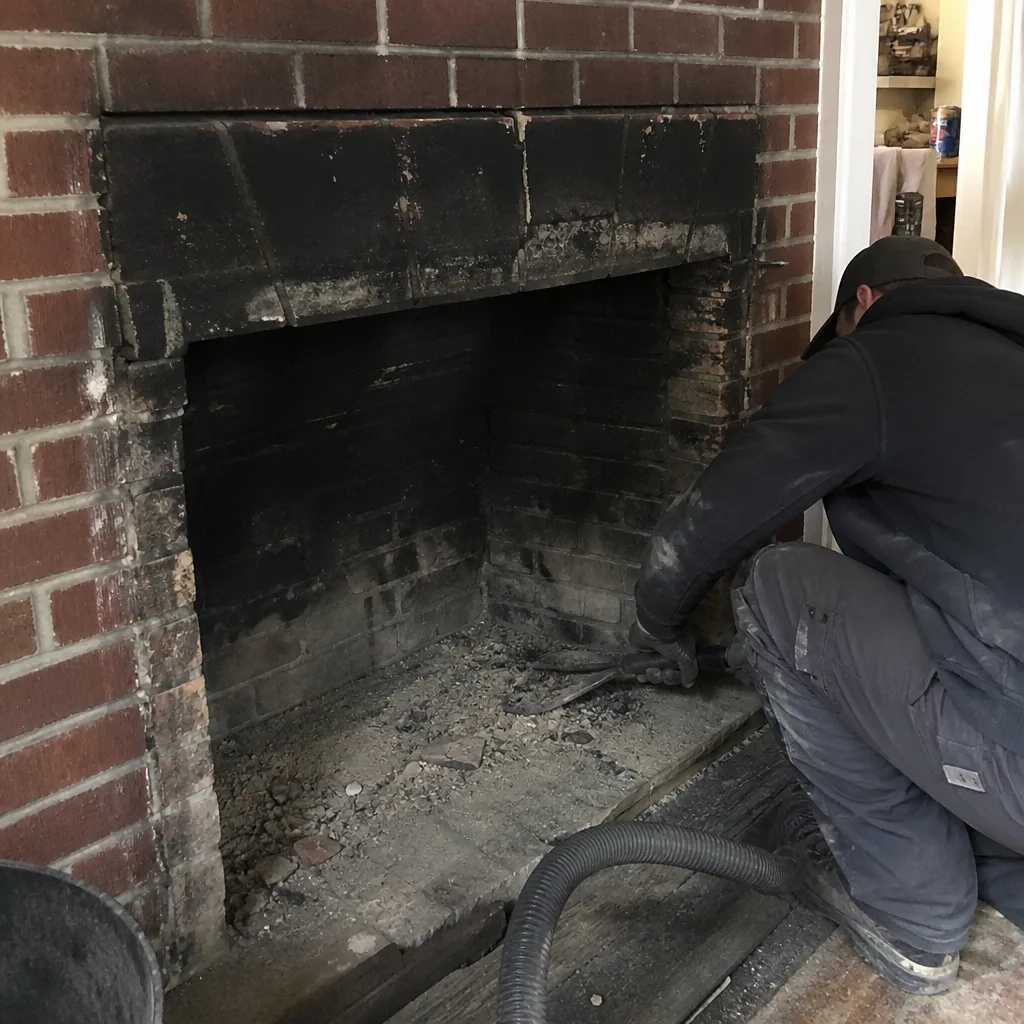
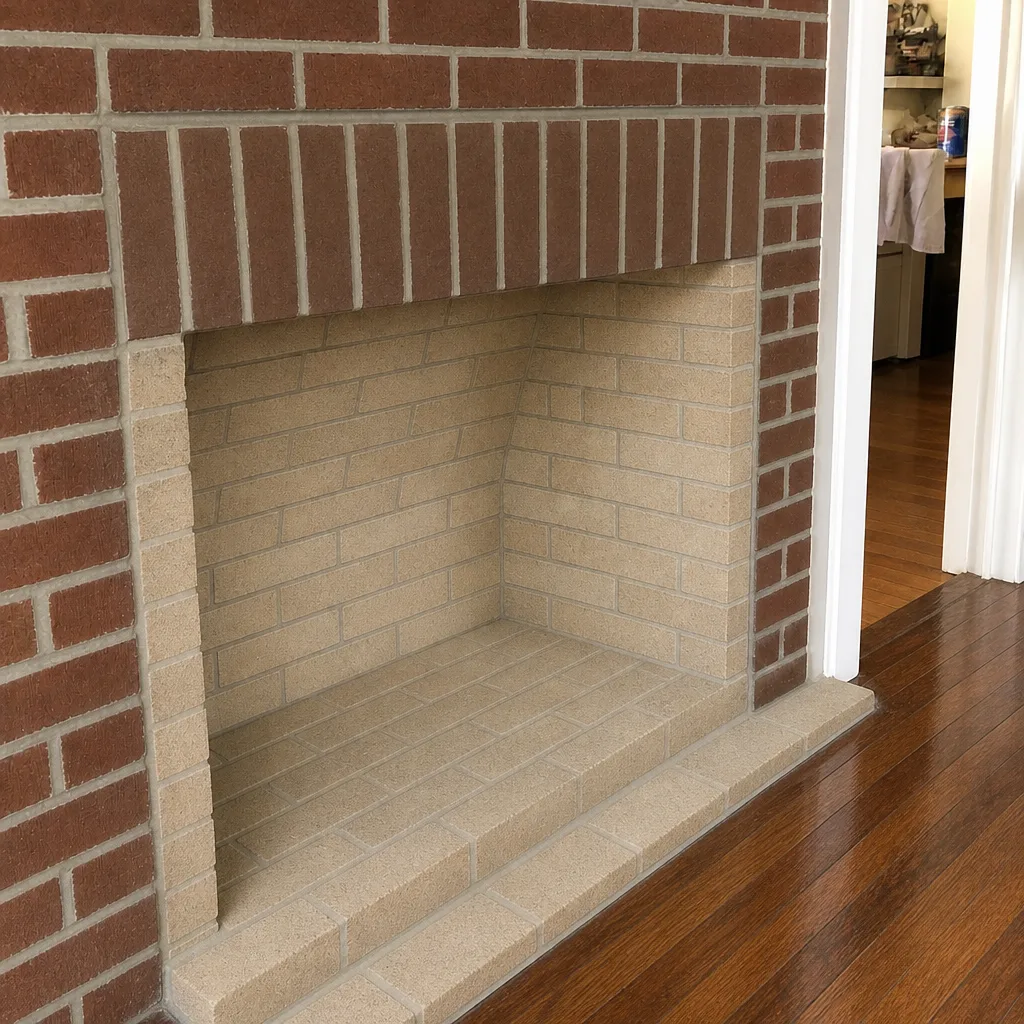
See the difference
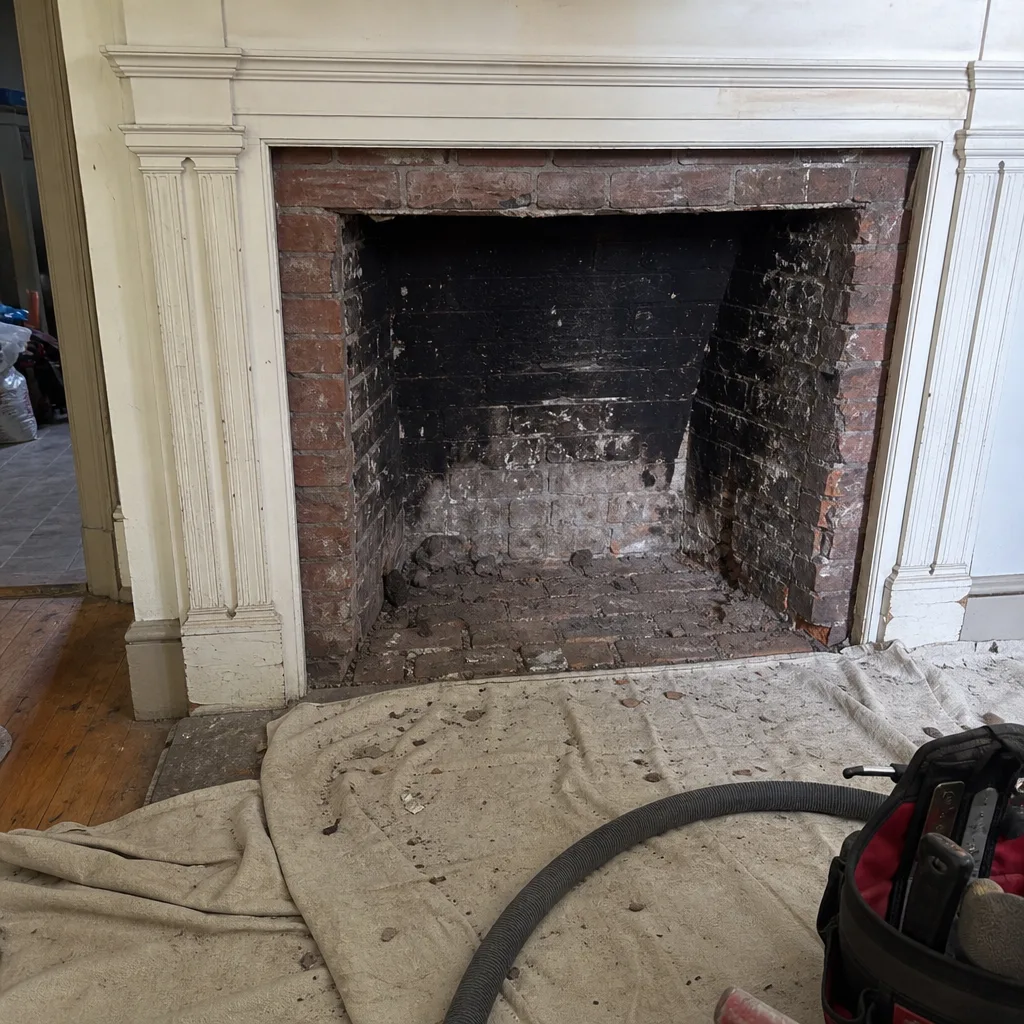 Before
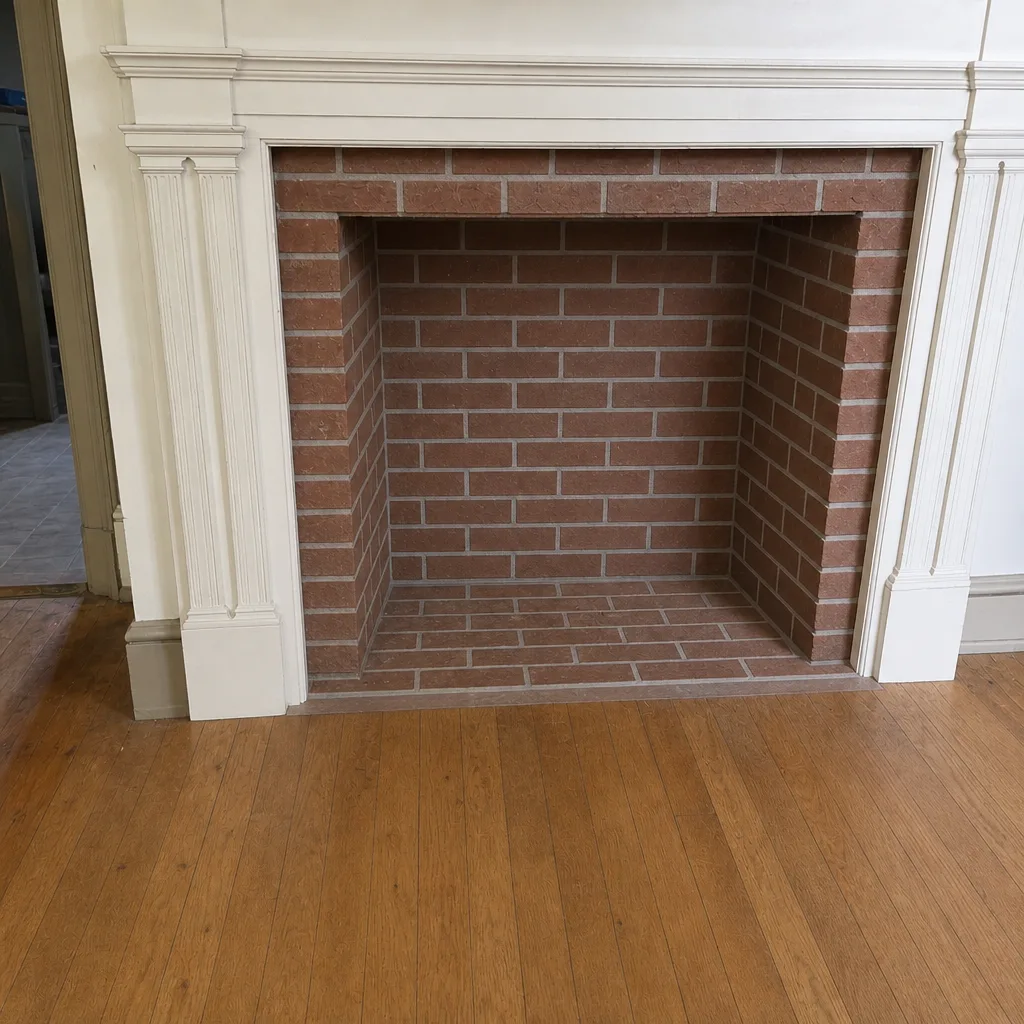 After
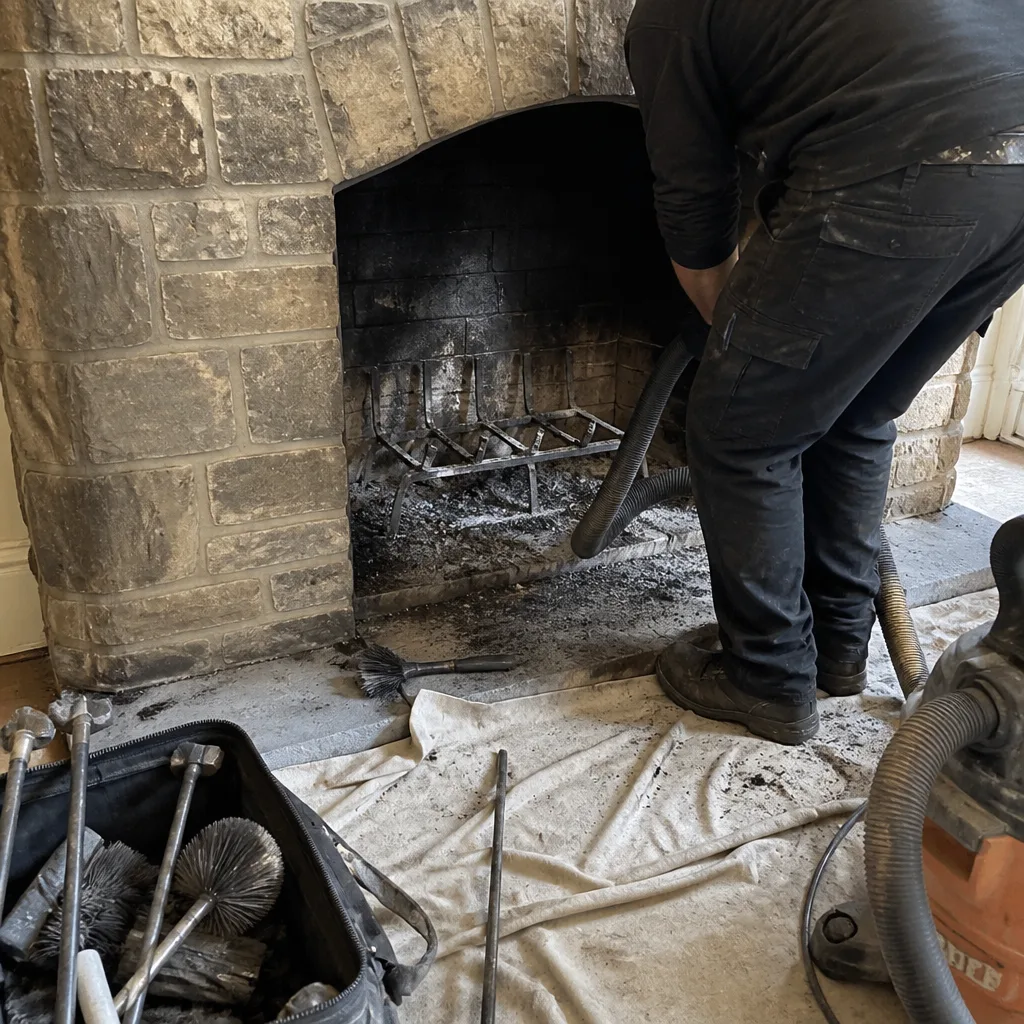 Before
 After
 Before
 After
Frequently Asked Questions
Most chimneys burning wood need sweeping once a year or when 1/8 inch of creosote accumulates on the flue walls, whichever comes first. Homes that burn frequently or use unseasoned wood may need it sooner. In Elmwood Village’s colder winters, an annual inspection before the first fire catches crown cracks and cap damage before the season. Call (877) 792-5738 for an exact quote – estimates are free.
Smoke after a sweep almost always points to negative pressure, a sizing mismatch, or a partial blockage further up the flue. The damper is rarely the cause. A pressure test with a window cracked open tells you which. Call (877) 792-5738 for an inspection – estimates are free.
That’s efflorescence, and it’s a sign water is migrating through the masonry from above. In Elmwood Village, it usually traces to a cracked crown or a missing cap. Left alone, it damages the liner over the winter. Call (877) 792-5738 for an exact quote – estimates are free.
Not always. If the tile flue is sound and correctly sized for the firebox, resurfacing with HeatShield compound can restore a pitted or lightly cracked flue without a full reline. A camera inspection tells you which is the right call. Call (877) 792-5738 – estimates are free.
A warped damper can usually wait, but a cracked liner should not. Cracked liners let heat and embers reach the surrounding framing, which is a fire hazard. We’ll tell you plainly if it can safely wait. Call (877) 792-5738 for an exact quote – estimates are free.
You miss the early signals – hairline crown cracks, efflorescence, small liner damage – that are cheap to fix and expensive to ignore. In Elmwood Village’s freeze-thaw climate, a small crown crack in October can widen into spalling and a failed liner by spring. Call (877) 792-5738 for an inspection – estimates are free.
The Bottom Line
Most chimney problems you can see from the firebox start somewhere above the roofline. Smoky fires trace back to negative pressure, a blockage, or a sizing mismatch. White staining means water is moving through the masonry from a cracked crown. Summer creosote odor means the flue is open to the house, not that it’s dirty. Listening for the right sounds – rattles, whistles, scratches – narrows the diagnosis fast. Fixing the right one of these saves the money you’d otherwise spend on the wrong one. Inspect from the top down, get a photo report you can see, and let the evidence decide what’s actually needed. Reach out to us and we’ll take it from there.
Contact Us
If you’re dealing with any of the problems in this guide, the safest next step is a proper inspection. Call Chimney Sweep Elmwood Village at (877) 792-5738 for a free estimate. We answer 24/7. Fast dispatch from 7am to 7pm, Sunday through Friday. From inspection and chimney sweep through cap and crown work and liner installation with DuraFlex and HeatShield, we diagnose and fix the whole flue in one visit – no handoffs to other contractors.
Written by the team at Chimney Sweep Elmwood Village.