
Last updated November 25, 2026
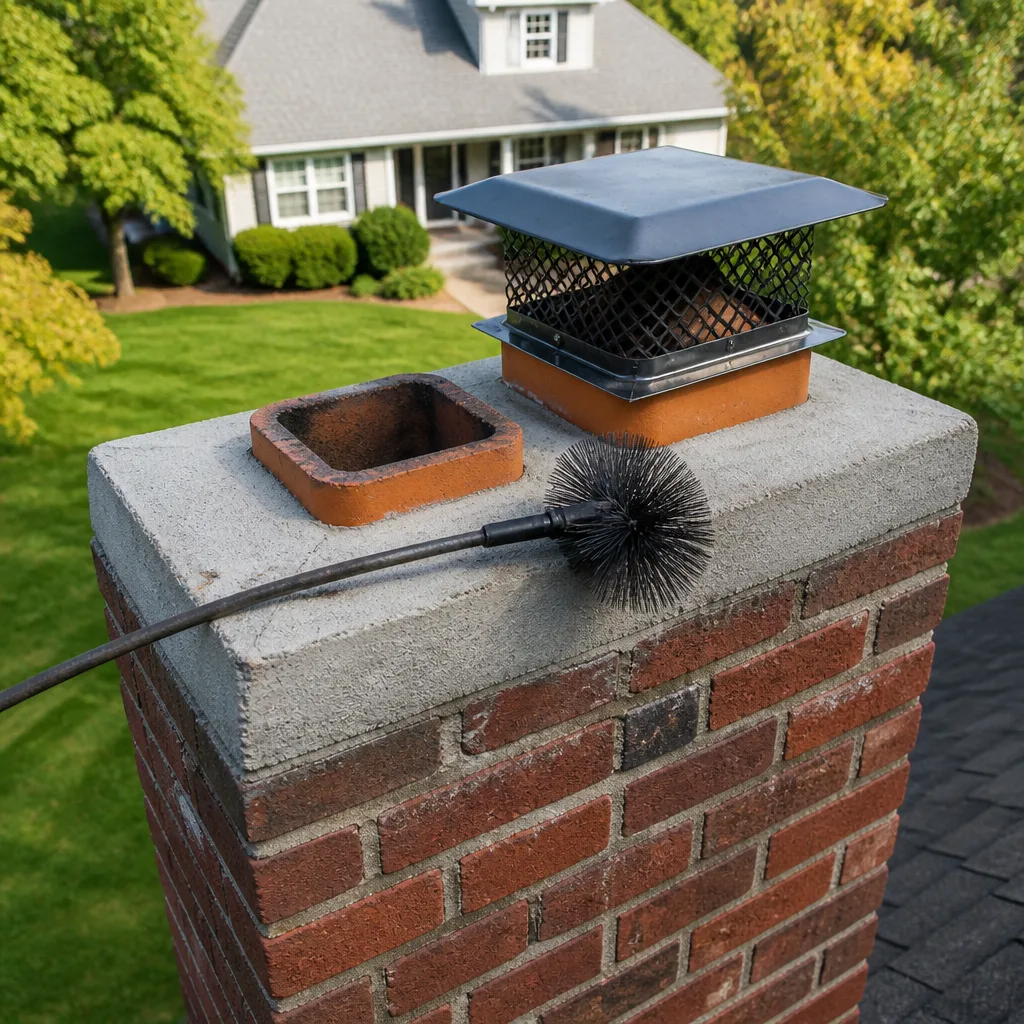 Sweep & inspection
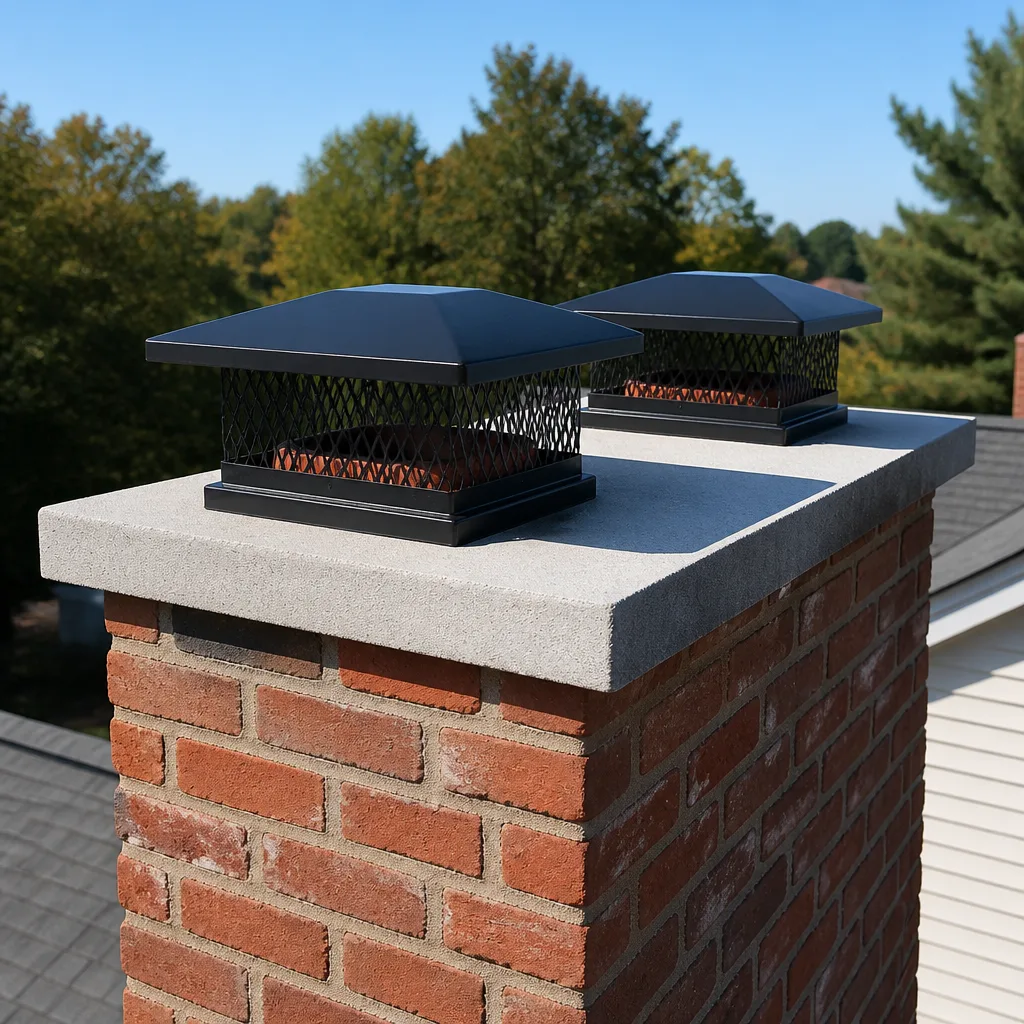 Caps & crowns
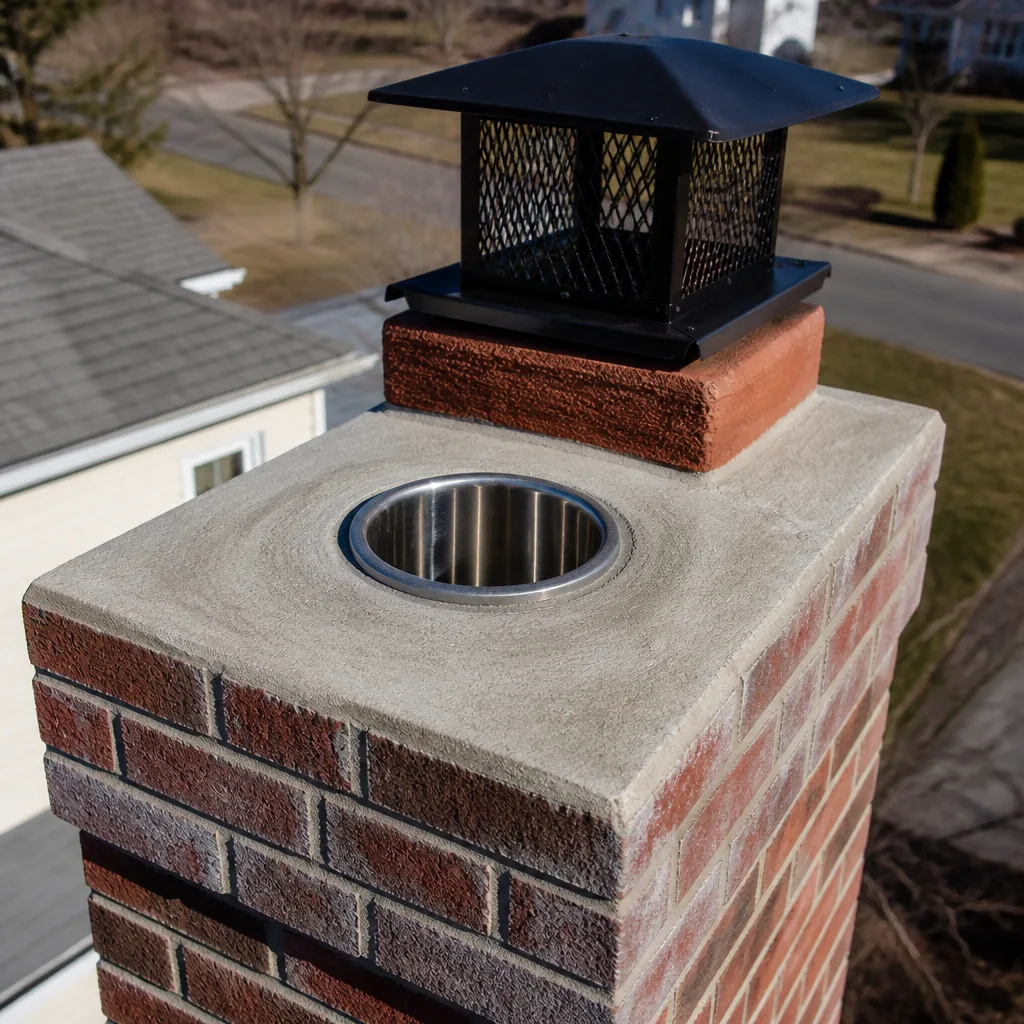 Flue relining
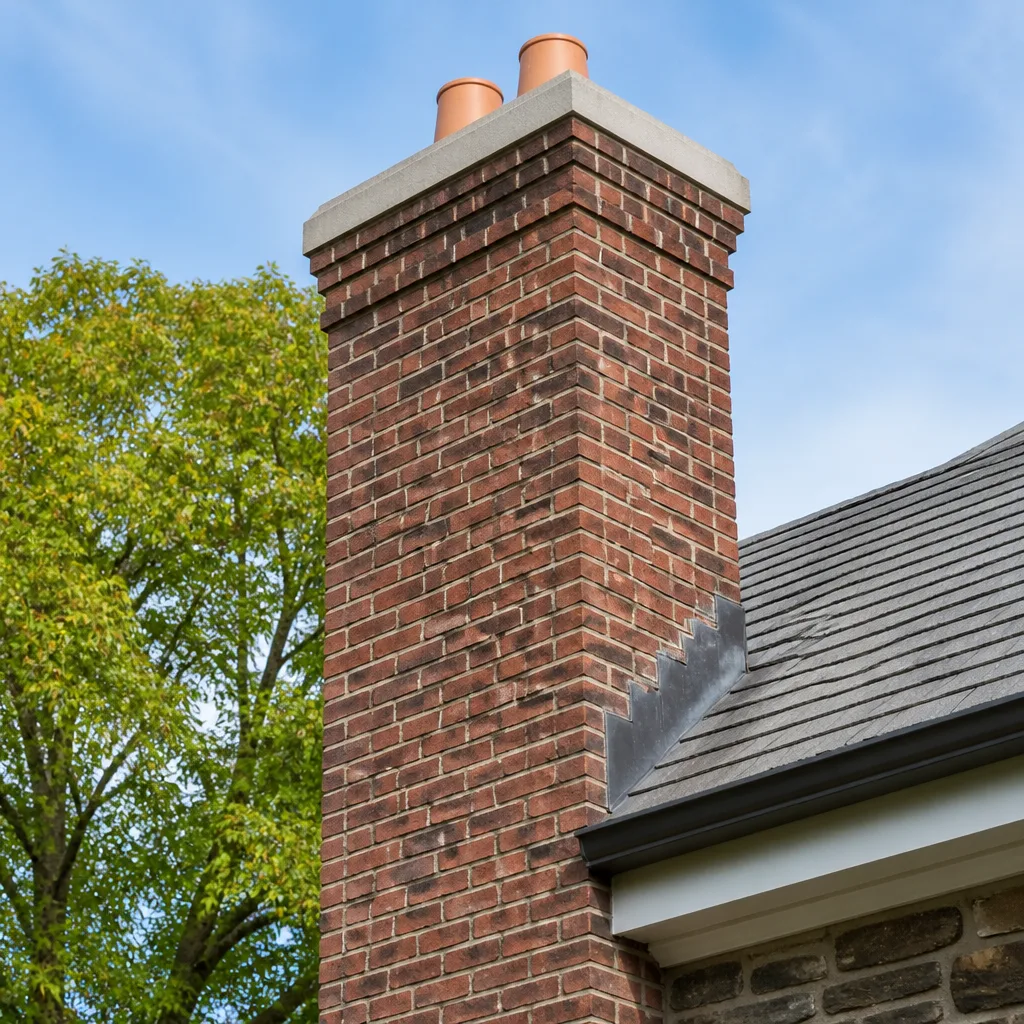 Masonry repair
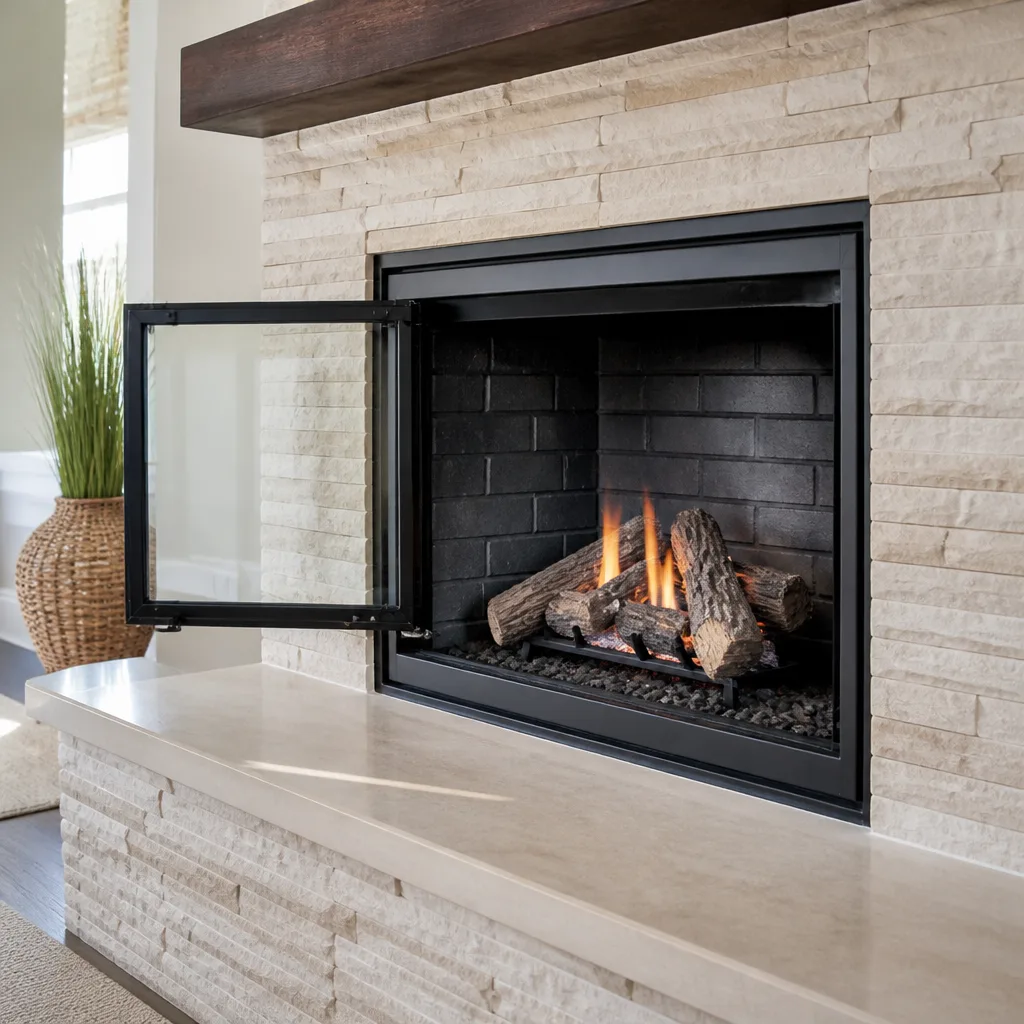 Gas fireplace service
Level 1 sweep and inspection to the NFPA 211 annual standard - flue, crown, cap, and flashing checked and photographed
Chimney sweep logs do not sweep chimneys. They loosen some creosote - which then falls where a brush and vacuum still have to collect it.
Chimney Sweep Maintenance Schedule: What to Do and When
NFPA 211 says a chimney should be inspected and cleaned “at least once a year,” and most homeowners stop reading right there. That standard was written to cover wood-burning fireplaces used daily all winter. If you burn gas logs twice a week, or run a wood insert on occasional evenings, your maintenance timing, what gets checked, and what gets cleaned are genuinely different. Collapsing all of that into one generic calendar is exactly how preventable liner damage goes undetected for years. This guide builds a schedule around how Elmwood Village homeowners actually use their fireplaces, with the triggers that matter more than the calendar.
Quick Answer
Inspect your chimney once a year, but set your sweep interval by fuel type and burn volume: a wood-burning open fireplace used regularly needs sweeping roughly every cord of wood burned, a wood insert is checked annually and swept on the same volume logic, gas appliances are inspected annually and swept rarely, and an oil furnace flue is inspected and cleaned annually. Schedule the inspection in late summer, before the first burn, so any repair can be finished before heating season starts.
Styles & brands we work with
- Sweep & inspection
- Caps & crowns
- Flue relining
- Masonry repair
- Gas fireplace service
Table of Contents
- The Fuel-Type Maintenance Matrix
- Why Late Summer Is the Right Time to Inspect
- What’s Annual, What’s Every Three Years, and What’s Usage-Triggered
- How to Log Burn Hours and Creosote Buildup
- Stage 1, Stage 2, Stage 3 Creosote: What the Stages Actually Mean
- Matching the Schedule to Your Chimney’s Construction Era
- Elmwood Village Timing: Shoulder-Season Temperature Swings
- Inspection vs. Sweep: Two Different Jobs
The Fuel-Type Maintenance Matrix
The single biggest mistake in chimney maintenance is applying one schedule to every appliance. A fireplace burning seasoned hardwood produces creosote and needs mechanical sweeping. A vented gas log set produces mostly water vapor and needs inspection for corrosion and blockage, not scraping. An oil furnace flue produces soot and sulfur residue that behaves nothing like wood creosote. Here’s how the triggers break down.
- Wood-burning open fireplace: Inspect annually, sweep based on volume (see the logging section). Open hearths lose more heat up the flue than inserts, which affects drafting and deposit patterns.
- Wood insert: Inspect annually. Inserts concentrate heat and can run cooler flue-gas temperatures at the top of the liner, which changes where creosote forms. Sweep on the same volume logic as a fireplace but check the liner connection every year.
- Gas appliance (vented logs, gas fireplace): Inspect annually for obstruction, corrosion, and proper venting. Sweeping is rarely needed because there’s little solid fuel residue, but a blocked or disconnected vent is a carbon monoxide concern, which is why the annual look matters.
- Oil furnace flue: Inspect and clean annually. Soot and sulfur residue accumulate predictably with run hours, and an oil flue that’s never cleaned can corrode from the inside out.
For Elmwood Village homes that run a wood fireplace in the living room and a gas unit in a den or addition, the two systems get separate schedules. That’s one reason we treat inspection as a standalone service rather than a formality attached to a sweep: the gas appliance needs a look even in a year when nothing needs sweeping.
Why Late Summer Is the Right Time to Inspect
Most people book a sweep in fall or after the season ends. Late summer is better, and the reasoning is structural, not just convenient. During the heating season, the chimney’s masonry and mortar are warm and expanding with every fire, then cooling between burns. A crack that looks hairline in January may be a visible gap by August, when the masonry has settled through a full freeze-thaw cycle. Inspecting in late summer shows you the chimney in its most revealing condition, before the first fire of the year.
The second reason is scheduling. A problem found in late summer can be fixed before you need the fireplace. A problem found in November means either burning into a known defect or going without heat until the repair is finished. Neither is good, and one is a genuine safety risk.
The third is moisture. Late summer is when we apply crown sealant and inspect the crown and cap, because the goal is to have those surfaces sealed before the fall rains set in. A crown that gets sealed in August has all season to cure and protect the masonry below. From inspection to repair, doing both in the same window means the chimney goes into the first cold snap in good condition. That’s the practical case for booking before the first fire, not after.
What’s Annual, What’s Every Three Years, and What’s Usage-Triggered
Not every task belongs on a twelve-month clock. Some are annual, some run on a longer cycle, and some should be triggered by how much you actually burn. Getting this right is how you avoid both under-maintaining and paying for work you don’t need.
Annual tasks
- Level 1 inspection of every appliance connected to a flue, including the firebox, damper, smoke chamber, and visible flue.
- Visual check of the crown, cap, and flashing from the roofline.
- Gas and oil appliance venting check for obstruction or disconnection.
Every-three-years tasks (or after any event)
- Closer examination of the flue interior, including a camera inspection where the geometry or a previous repair warrants it.
- Crown sealant renewal, since sealant degrades with sun and freeze-thaw cycles over several seasons.
- A re-check of any liner or resurfacing work after the first few years of service.
Usage-triggered tasks
- Sweeping: tied to cords of wood burned or hours of burn time, not the calendar.
- Creosote-stage assessment: triggered when your log shows you’ve crossed the volume threshold your sweep identified.
- Post-storm check: triggered by a wind event, a visible cap or crown problem, or a draft change you notice.
The point is that the calendar handles the inspection, and your burn log handles the sweep. Confusing the two is how people end up sweeping a chimney that wasn’t ready and skipping the inspection that would have caught a crown crack. A proper chimney sweep visit should tell you which category you’re in.
How to Log Burn Hours and Creosote Buildup
Your sweep can’t tell you when you’ve crossed from light deposit to a buildup that needs attention unless you give them the data. A simple log turns a guess into a schedule. You don’t need anything fancy: a note on the fridge or a phone note works.
- Record each burn. Date, approximate hours, and roughly how much wood (a rough fraction of a cord is enough).
- Note the wood. Seasoned or not, hardwood or softwood. Unseasoned wood produces far more creosote per burn, and that shows up in the log.
- Note the draft. If smoke rolled into the room or the fire struggled to draw, write it down. Draft problems change deposit patterns.
- Photograph the firebox and flue throat at the start of the season and again mid-season, if you can reach them safely. Your sweep can compare the photos year to year.
- Bring the log to the inspection. Tell your sweep the total cords and hours since the last cleaning. They’ll match that against what they find in the flue and tell you the threshold for your specific appliance.
That last point is the payoff. Once your sweep correlates your burn log with what they actually find, they can tell you something like “at your rate, you’re due for a sweep after about two cords,” and you’ll know when to book without guessing. In our experience, homeowners who keep even a rough log get more accurate scheduling advice than those who call once a year on autopilot.
Stage 1, Stage 2, Stage 3 Creosote: What the Stages Actually Mean
Creosote forms in stages, and each stage is removed differently. Knowing which one you have tells you whether a standard sweep handles it or whether something more is required.
- Stage 1: Soot and light, flaky deposits. A standard brush sweep removes it. This is where most well-maintained chimneys sit at their annual cleaning.
- Stage 2: Denser, crusty deposits that cling to the flue wall. Still sweepable, but it takes more work and the flue needs a closer look. This is the stage where a chimney that’s been skipped a year or two starts to reveal itself.
- Stage 3: Glazed, hardened creosote that looks almost like tar. It’s a serious fire risk, and a brush won’t remove it. It may need chemical treatment or mechanical removal, and the flue may need liner work or resurfacing afterward.
This is where a proper process matters. We use camera inspection and a photo report so you can see the flue interior yourself, not just take our word for the stage. A chimney inspected and found at Stage 1 can wait for its normal sweep. A chimney found at Stage 2 or 3 tells us the previous schedule was too loose, and we adjust the interval going forward. The idea is to catch the transition from Stage 1 to Stage 2 before a sweep is a bigger job than it should be. If we find Stage 3, we’ll show you the camera footage and explain the options before anything is recommended.
Matching the Schedule to Your Chimney’s Construction Era
Two houses on the same Elmwood Village street can need completely different schedules because of when and how their chimneys were built. Construction era changes the flue geometry, the liner situation, and how deposits behave.
- Older homes with irregular flue paths: Brick flues that dogleg or narrow at the smoke chamber trap creosote unevenly. These need closer inspection and sometimes relining. A rigid liner often won’t follow the path, which is why we use DuraFlex flexible liner systems where the flue isn’t straight, making proper relining possible where rigid systems can’t go.
- Mid-century homes: Often built with flues that have served fireplace, furnace, and water heater over the years, sometimes with abandoned connections. The schedule has to account for every appliance sharing that stack.
- Newer homes: Factory-built fireplaces and metal flues have their own manufacturer intervals, and the flue cap and venting need checking for the specific appliance. We work with Famco and Olympia Chimney components so the venting matches the appliance.
The practical rule: the calendar applies to all of them, but the construction era sets whether the annual inspection needs a camera, whether the cap and crown need closer attention, and whether the flue can be swept with a standard brush or needs a gentler approach. That’s why we ask about the house before we schedule. It’s also why a straight answer to “how often should I sweep?” depends on more than the calendar. A clear Chimney Sweep Elmwood Village inspection sorts it out before you spend on work you may not need.
Elmwood Village Timing: Shoulder-Season Temperature Swings
Elmwood Village sits in a climate with pronounced shoulder seasons, and that pattern affects chimney maintenance in ways a generic calendar misses. The fall temperature swings mean warm days and cold nights, which sends masonry through repeated expansion and contraction. Crown sealant that was applied in ideal conditions can crack sooner here than in a stable climate, and the crack lets water into the masonry, which then freezes and opens it further.
That’s why the timing of crown work matters. Late summer is when the masonry has settled through the summer and the crown is most likely to show its true condition, and it’s before the first freeze-thaw cycle of fall. Sealing then gives the crown the best chance to hold through winter. Inspecting the crown again in early spring catches any winter damage before the rainy season pushes water into it. Two looks a year at the crown is not overkill in this climate; it’s the minimum.
The cap matters just as much. A correctly fitted cap keeps out rain, snow, and animals while still allowing draft. We work with Gelco and Copperfield components for cap sizing and fit, because a cap that’s too small or poorly fitted restricts draft and a poorly secured one can come off in a winter wind. From inspection to repair, the Elmwood Village schedule leans on the shoulder seasons, and the chimney cap & crown work is where that timing pays off most.
Inspection vs. Sweep: Two Different Jobs
An inspection is a diagnostic. A sweep is a cleaning. They’re related, but not interchangeable, and a schedule that treats them as one thing misses problems. The inspection is where we find the crack, the loose cap, the glazed creosote, the disconnected gas vent. The sweep is where we remove what’s safe to remove. Sometimes you need both in one visit; sometimes you need only one.
We offer chimney inspections as a standalone service, not only as a funnel into repair work. If your inspection comes back clean, that’s the answer, and you can wait for your normal sweep. If it finds something, you get the camera evidence and a clear explanation of what can safely wait and what shouldn’t. The chimney repair conversation only starts when the inspection justifies it, and it always starts with the evidence in front of you.
That’s the difference between a schedule you can trust and a schedule that’s really a sales call. Your chimney is a mechanical system, and a good schedule treats it like one: inspect on the calendar, clean on the volume, repair on the evidence.
Common Mistakes to Avoid
- Treating the annual sweep as the whole schedule. A sweep removes what’s there; it doesn’t assess the crown, cap, or liner. Skipping the inspection means never learning your chimney’s actual condition.
- Scheduling the inspection for fall. By the time you book in cooler weather, there’s no time to finish repairs before you want the fireplace. Late summer gives you a window.
- Burning unseasoned wood to save effort. Wet wood produces more creosote per burn, which means your sweep interval should shorten. In a climate with shoulder-season swings, that buildup happens faster than people expect.
- Ignoring the gas appliance because “it doesn’t make creosote.” It’s true, but a blocked or disconnected vent is a carbon monoxide problem, which is why it still needs an annual inspection.
- Skipping the crown check after winter. Freeze-thaw cycles here can open a crown crack that wasn’t there in the fall. A spring look catches it before the rains get in.
- Assuming a cap is fine because it looks fine from the ground. Cap fit and draft performance need a proper look. We size and fit Gelco and Copperfield components for a reason: a wrong-size cap changes how the whole chimney draws.
- Relining as the first answer. Sometimes the flue can be restored with HeatShield ceramic resurfacing instead of a full liner. It gives a structurally sound flue at lower cost and disruption, and it’s worth asking about before assuming the worst.
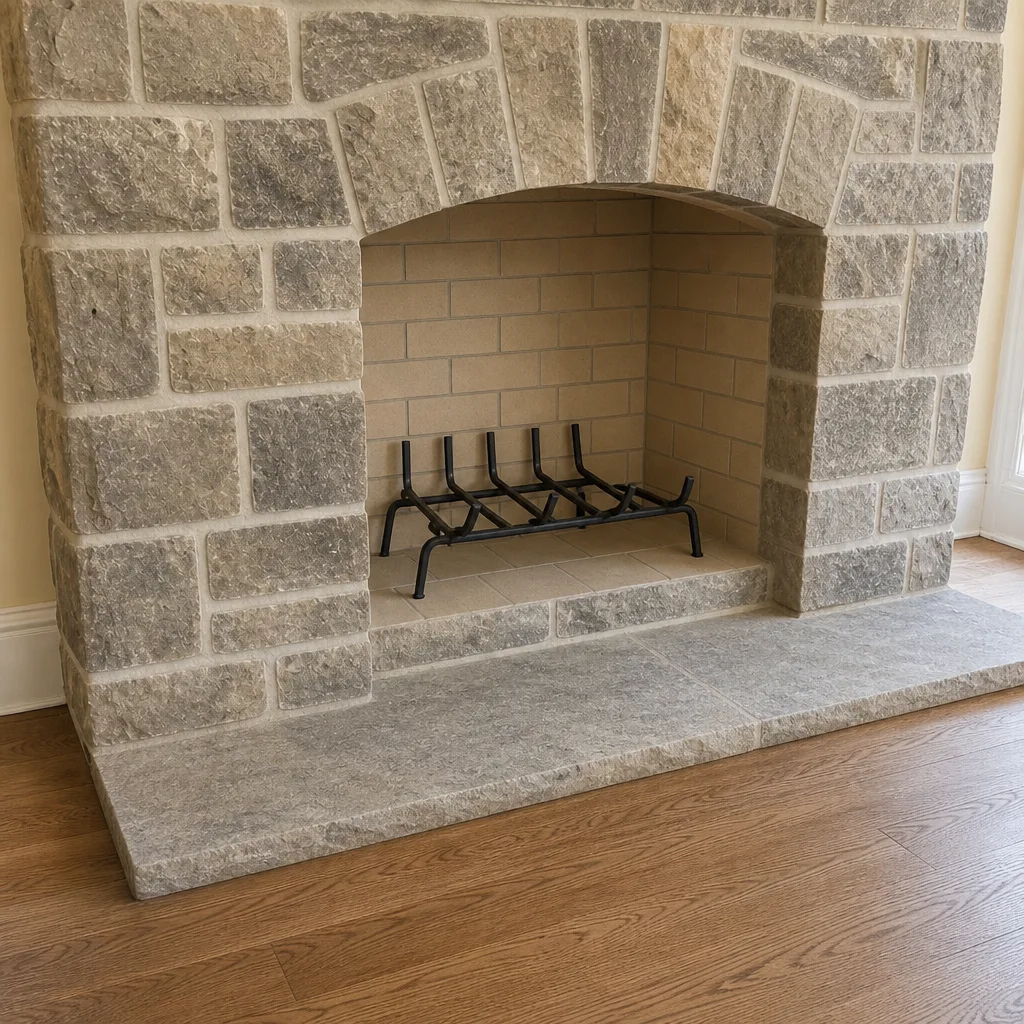
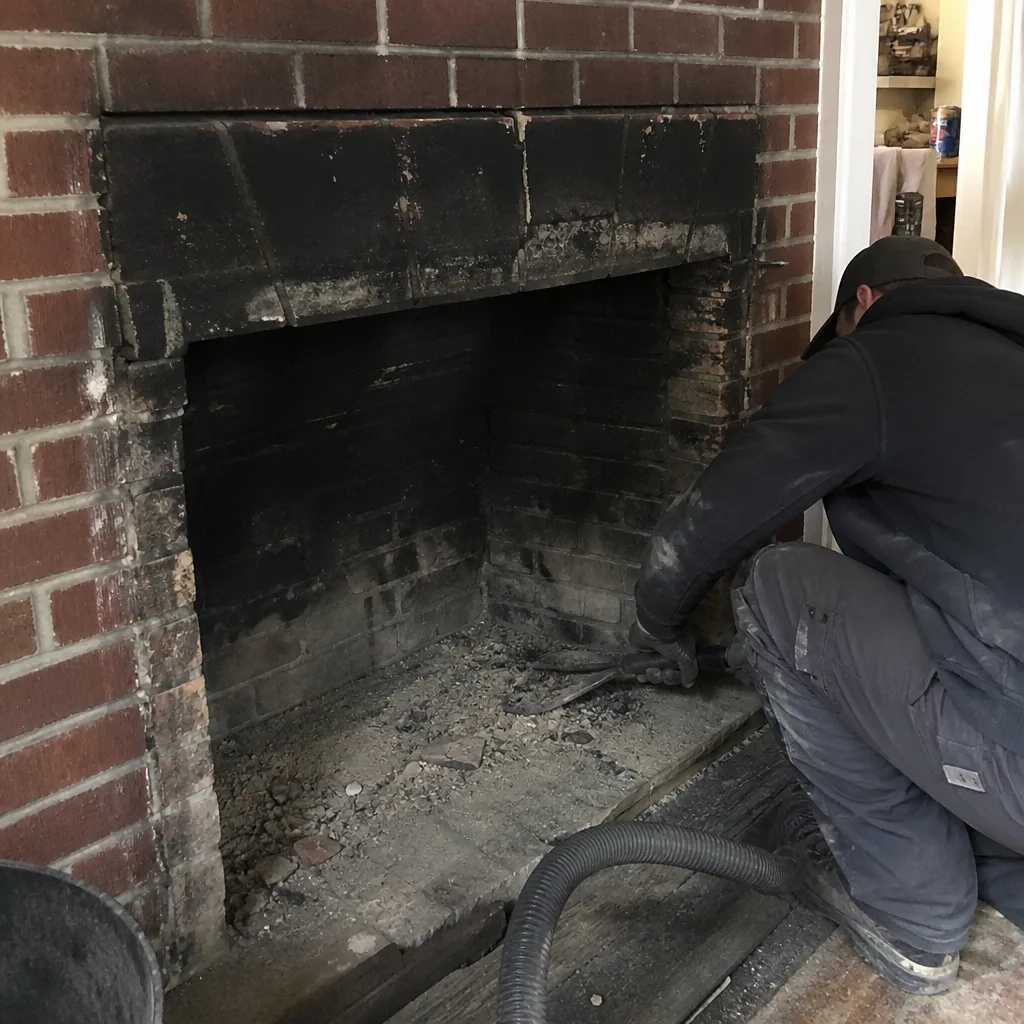
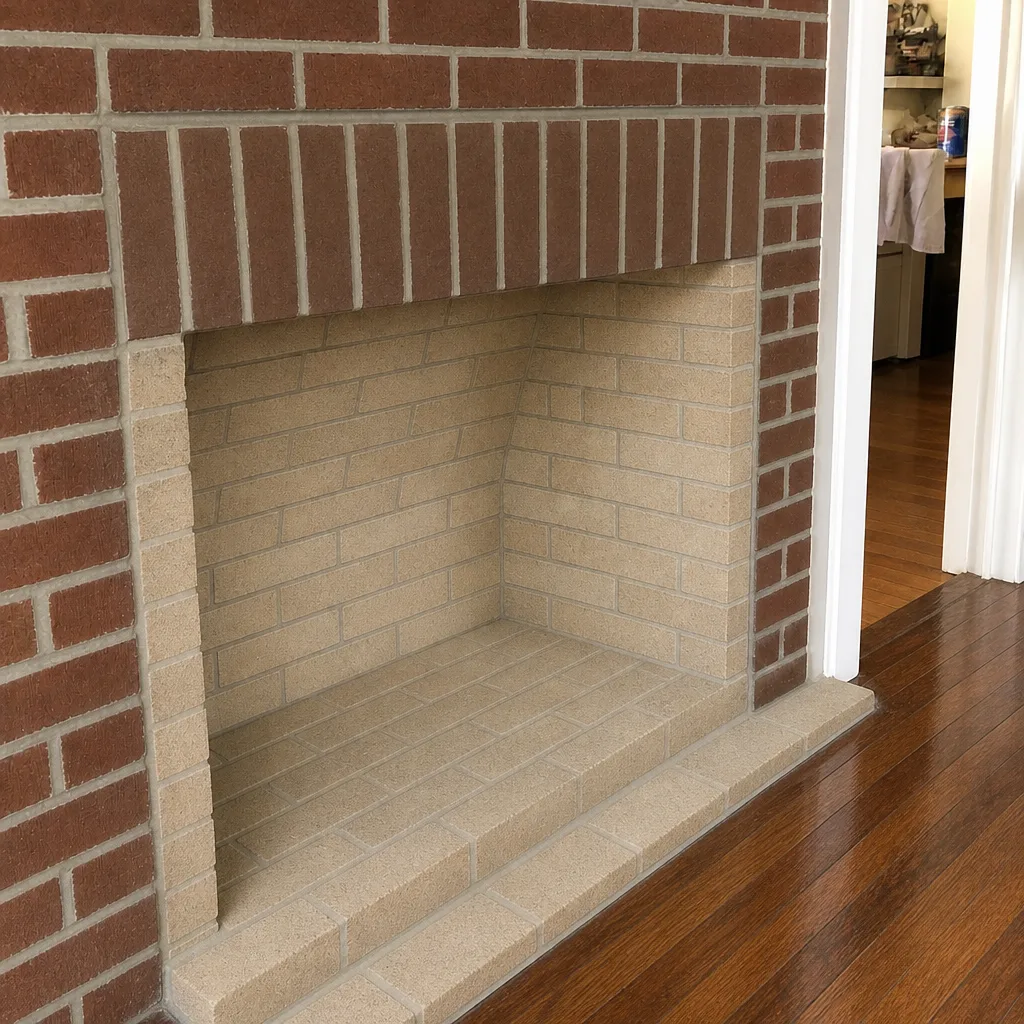
See the difference
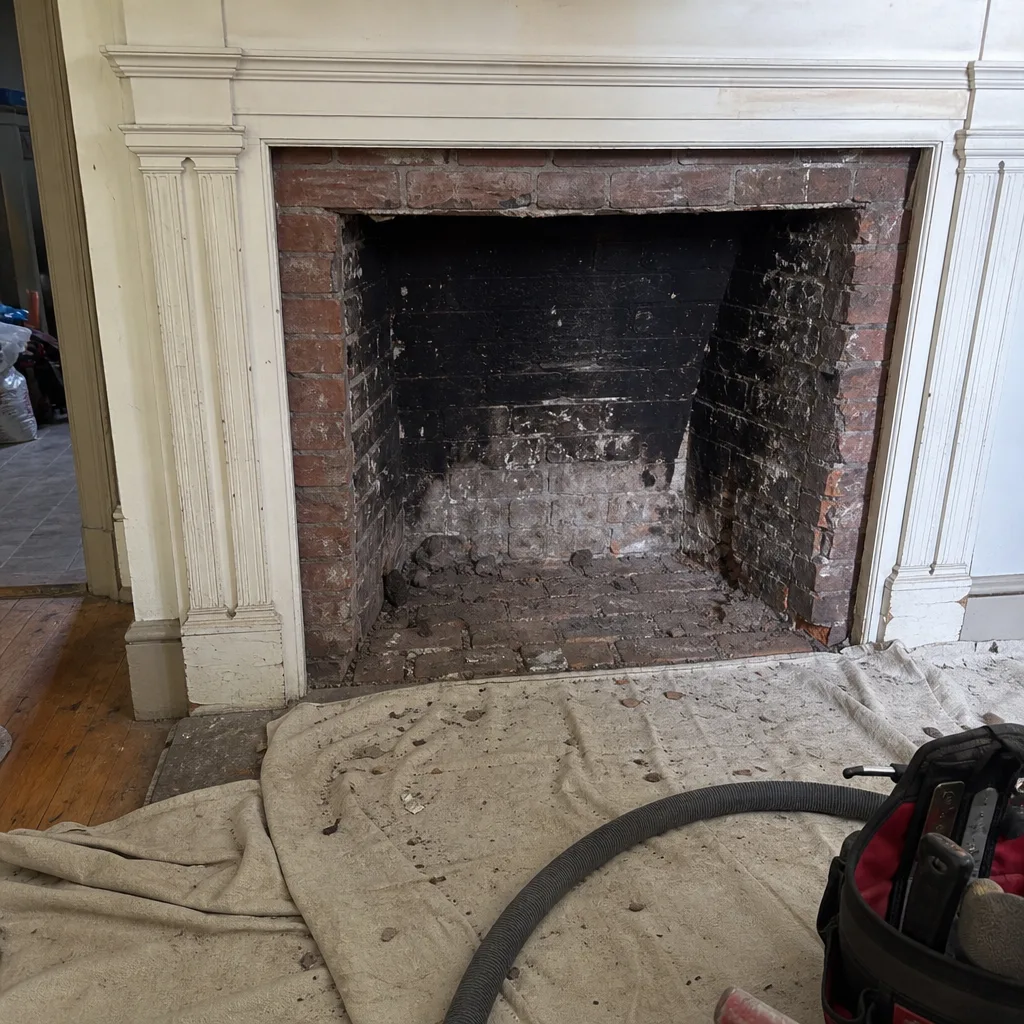 Before
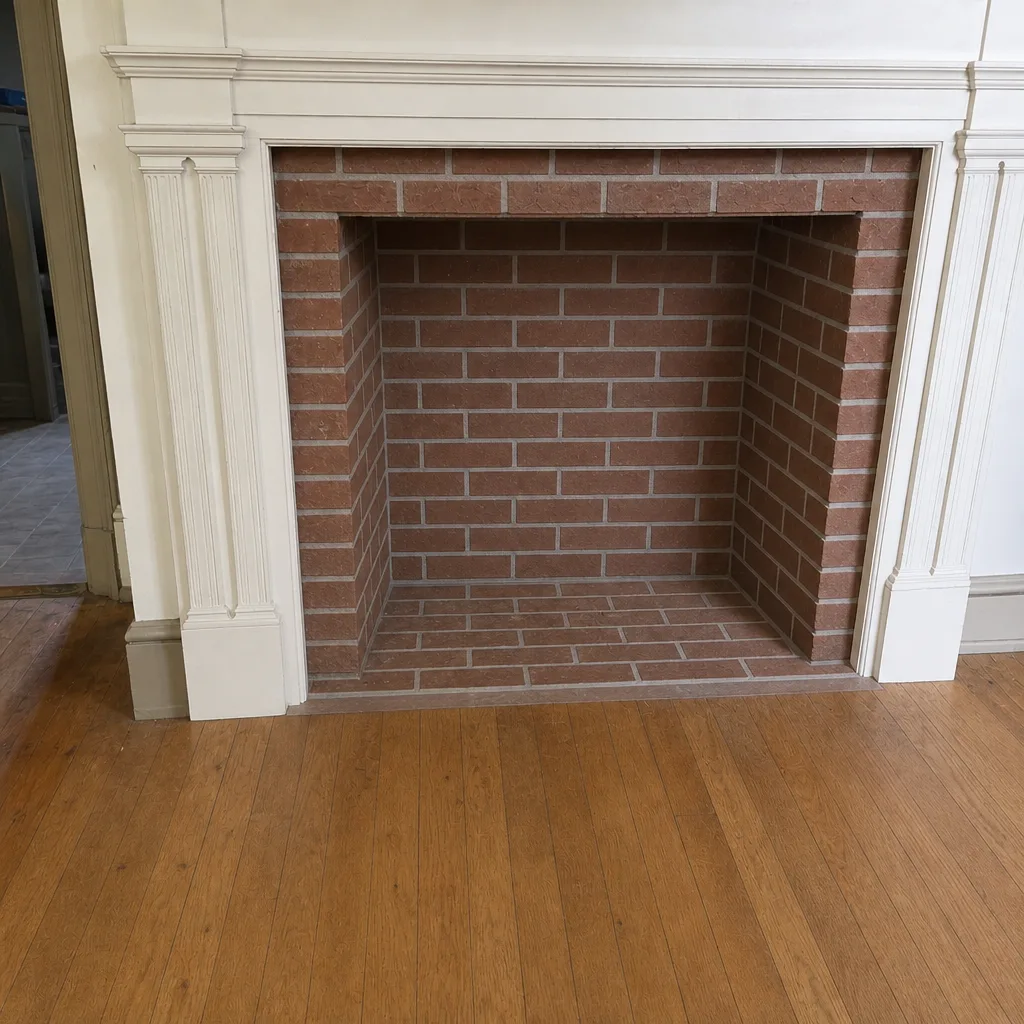 After
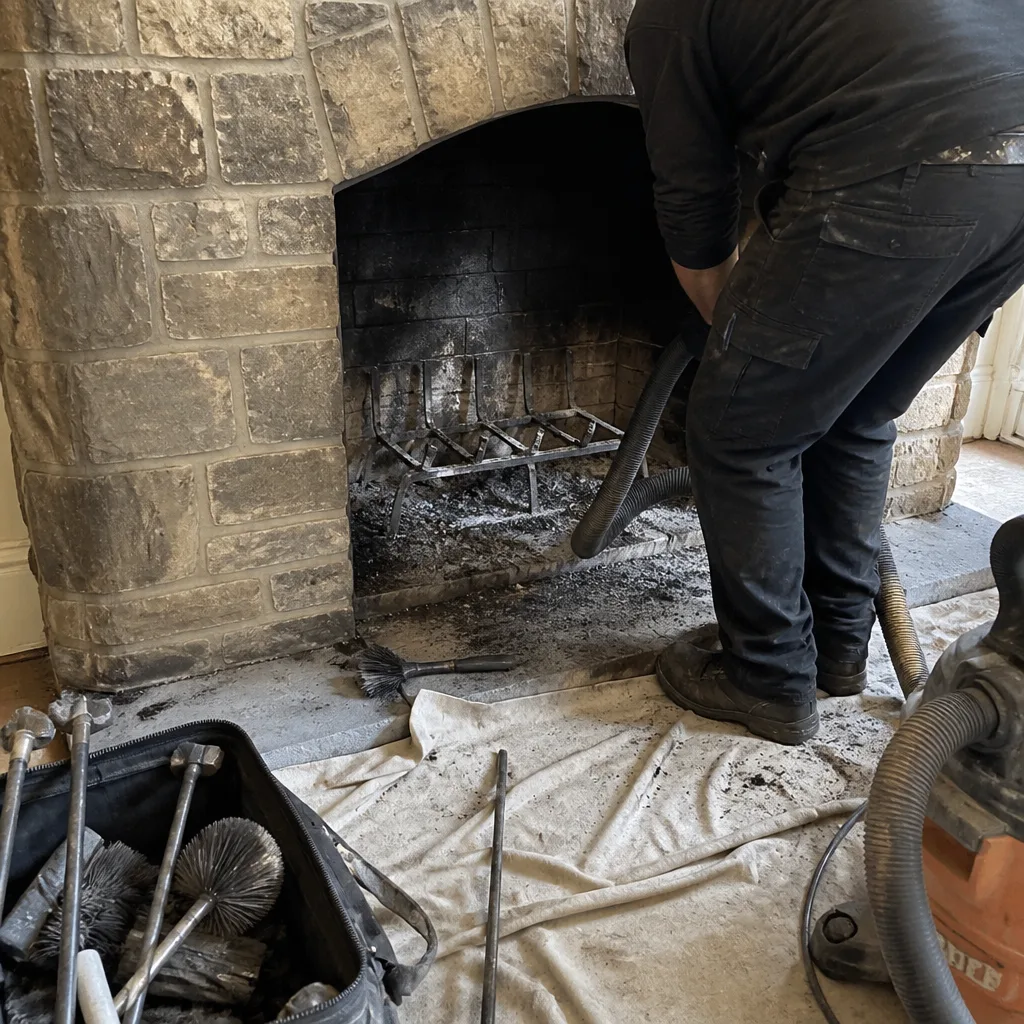 Before
 After
 Before
 After
When to Call a Professional
Call when you’ve crossed your volume threshold and don’t know your creosote stage. Call if you’ve never had the chimney inspected, or if it’s been more than a year. Call after any wind event that could have moved a cap, and call if you see water stains, efflorescence, or crumbling mortar on the chimney exterior. Call if smoke rolls into the room or the fire struggles to draw, since that’s a draft problem that affects deposits. Call if you smell a strong odor between fires, which can point to creosote or moisture. And call if you’re considering a liner or resurfacing, so the decision is based on camera evidence rather than assumption.
Chimney Sweep Elmwood Village offers free estimates in Elmwood Village. Call (877) 792-5738. We answer 24/7. Fast dispatch from 7am to 7pm, Sunday through Friday. The local pro is licensed and insured as their state requires.
Frequently Asked Questions
Sweep based on how much you burn, not just the calendar. A wood-burning fireplace used regularly should typically be swept after about a cord of wood, with an inspection every year regardless. Gas appliances rarely need sweeping but still need an annual inspection. Our technicians have up to 14 years of experience matching sweep intervals to actual burn volume, so you’re not cleaning a chimney that isn’t ready. Call (877) 792-5738 for an exact quote on your situation; estimates are free.
Yes, because the inspection checks the crown, cap, and venting, not just creosote. A chimney that’s barely used can still develop a crown crack or a disconnected gas vent. The annual inspection is the floor of the schedule, and it’s how problems get caught early. Call (877) 792-5738 to schedule one.
A Level 1 is a visual check of accessible parts, done annually. A Level 2 adds a camera inspection and is called for after a change, a repair, or a fuel-type change. A Level 3 is more involved and opens up concealed areas when a serious problem is suspected. Most Elmwood Village homes fall into Level 1 or 2 depending on history. If you’re unsure which you need, call (877) 792-5738.
That depends entirely on what’s in the flue, which is why we start with a camera inspection and a photo report. A dirty but sound flue may just need cleaning. A flue with damaged mortar joints may be a candidate for HeatShield ceramic resurfacing instead of a full reline. A flue that’s cracked through or has an irregular path may need DuraFlex liner systems. We don’t recommend liner work without evidence you can see. Call (877) 792-5738 for a free estimate.
Late summer is the best window here, before the fall freeze-thaw swings. The masonry has settled through summer, any cracks are most visible, and the sealant has time to cure before the cold. We also recommend a spring look to catch winter damage before the rainy season. Call (877) 792-5738 to get on the schedule.
After a standard sweep, you can usually use the fireplace once any cleaning residue has settled and the damper is working properly. If the inspection found a problem and we’ve recommended repair, wait for that repair before burning. We’ll tell you plainly what can safely wait and what shouldn’t. Call (877) 792-5738 if you want a clear answer on your chimney.
The Bottom Line
The annual sweep is the floor, not the ceiling. Build your schedule around three things: fuel type, burn volume, and construction era. Inspect every year, sweep on your actual volume with a burn log, and let the camera evidence decide whether you need a repair, a resurfacing, or a reline. In Elmwood Village, let the shoulder-season swings drive your crown and cap timing, and do it in late summer before the first fire. If your chimney hasn’t been inspected this year, that’s the next move. A cleaner chimney is a safer one, and a schedule built around how you actually burn is how you keep it that way.
Call (877) 792-5738 for a free estimate. We answer 24/7. Fast dispatch from 7am to 7pm, Sunday through Friday.
Written by the team at Chimney Sweep Elmwood Village.