
Last updated November 25, 2026
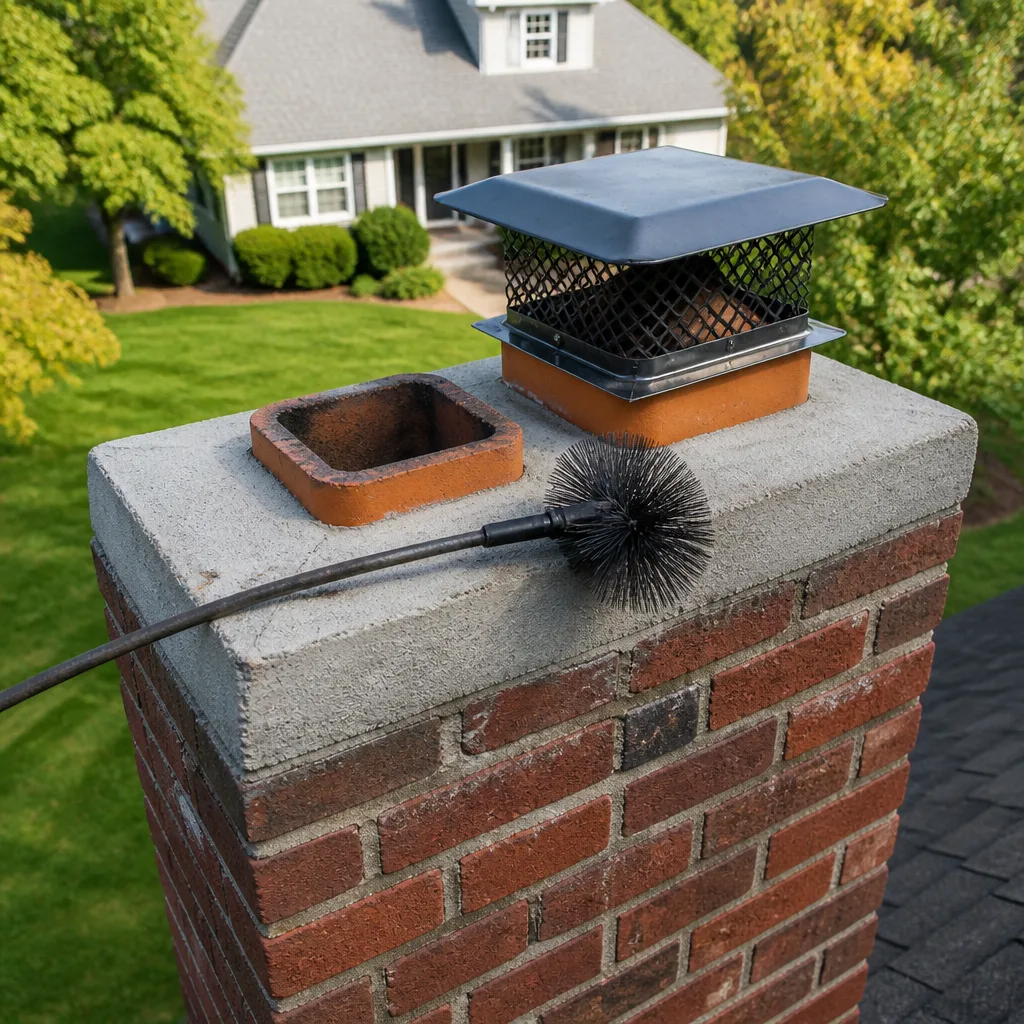 Sweep & inspection
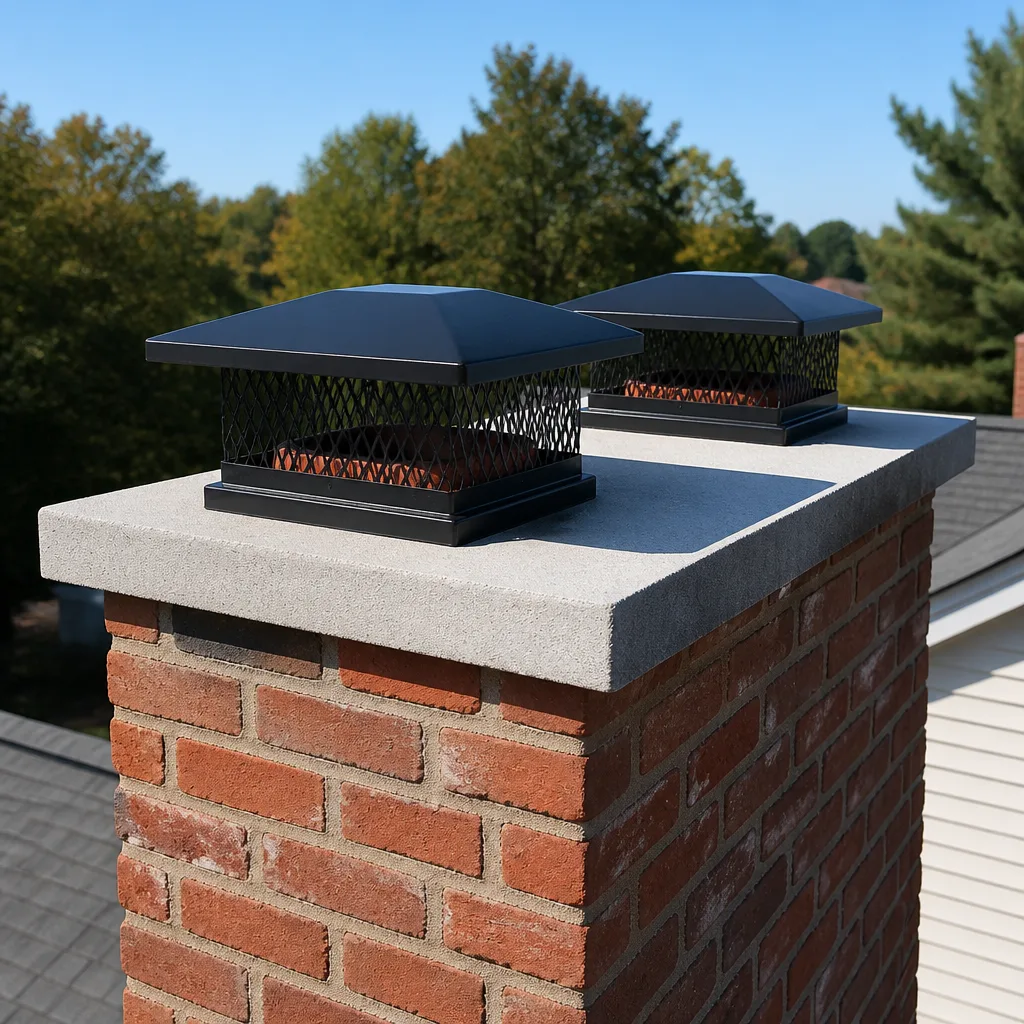 Caps & crowns
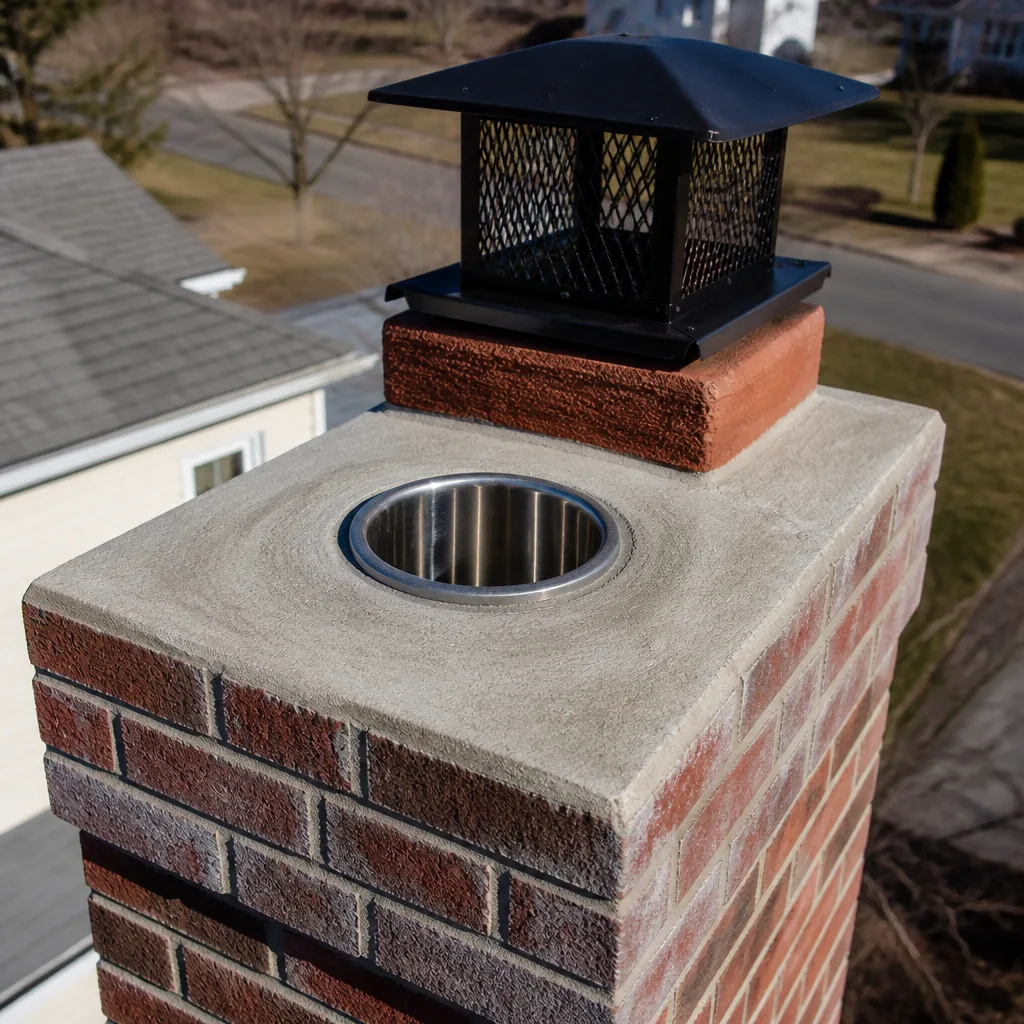 Flue relining
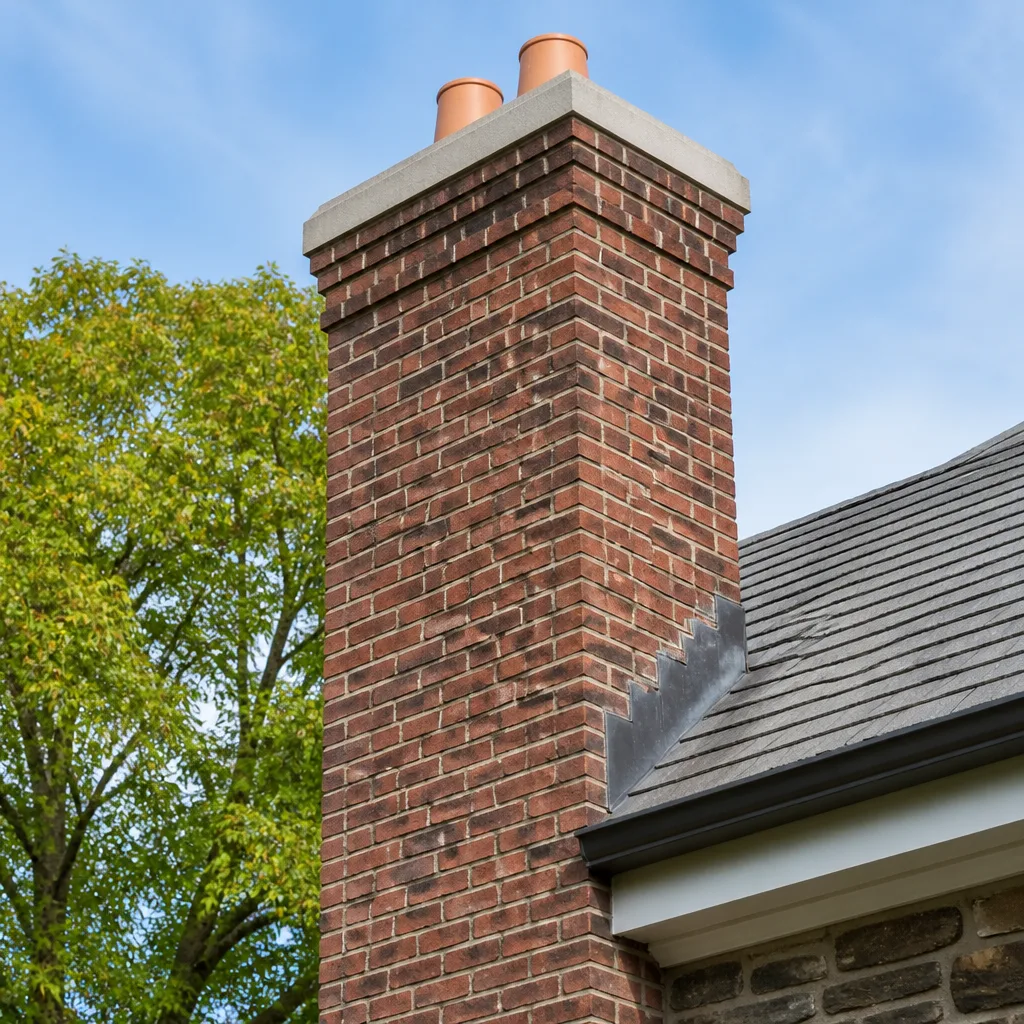 Masonry repair
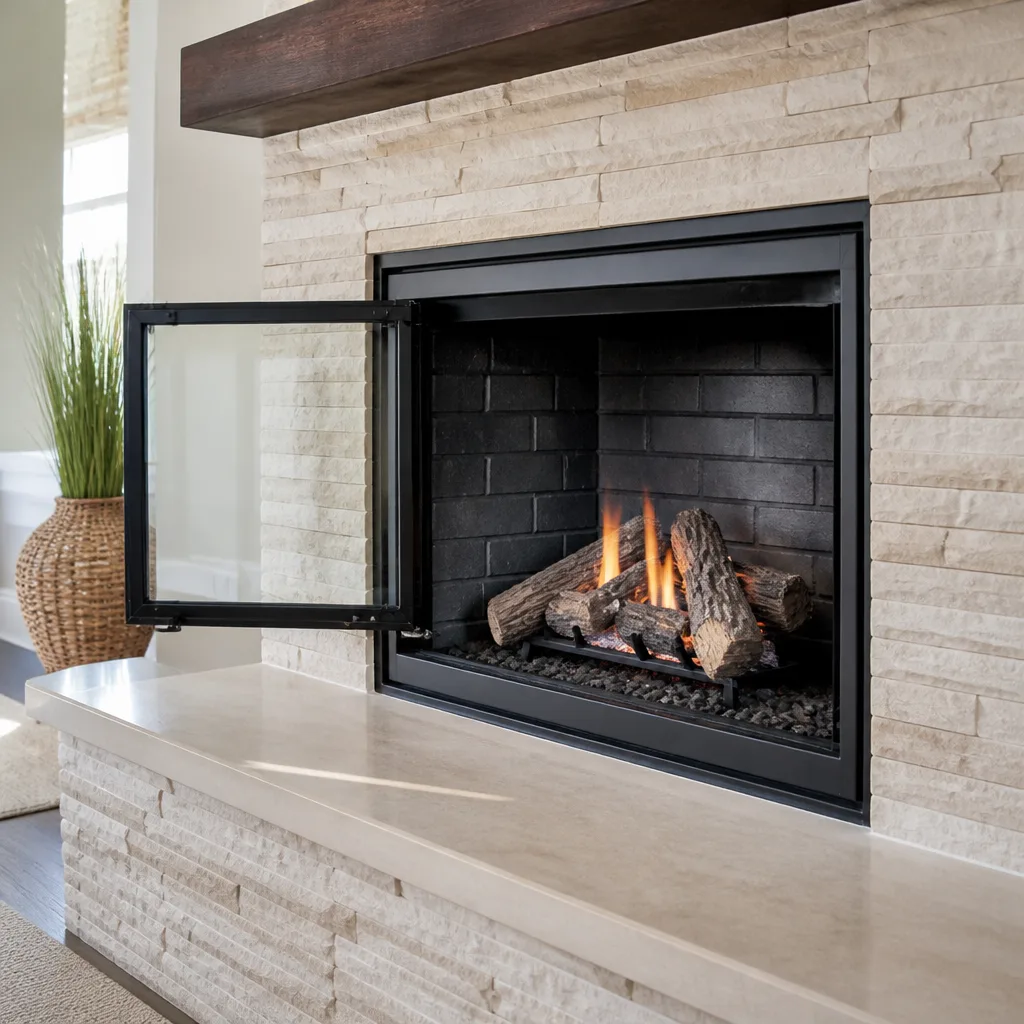 Gas fireplace service
Level 1 sweep and inspection to the NFPA 211 annual standard - flue, crown, cap, and flashing checked and photographed
Chimney sweep logs do not sweep chimneys. They loosen some creosote - which then falls where a brush and vacuum still have to collect it.
The Complete Guide to Chimney Cleaning in Elmwood Village
Most chimney fires in older urban neighborhoods don’t start because someone skipped the sweep. They start because a one-time cleaning cleared the creosote but nobody looked at the cracked flue tile behind it. That’s the part homeowners rarely see, and it’s the reason a proper cleaning is really a diagnostic visit with a brush involved. In this guide, we map the chimney from cap to firebox: what a real inspection covers, how the three degrees of creosote differ, why Elmwood Village’s pre-war and mid-century housing stock needs specific attention, and what a technician should hand you in writing before they leave. By the end, you’ll know exactly what “cleaning” should mean.
Quick Answer
A chimney cleaning in Elmwood Village is a full-system check, not just a sweep. It removes creosote and blockages, but a proper visit also inspects the flue liner, crown, cap, damper, and firebox for cracks and gaps that a brush alone won’t reveal. The cleaning removes the fuel; the inspection catches the damage that turns a small defect into a liner or masonry repair.
Styles & brands we work with
- Sweep & inspection
- Caps & crowns
- Flue relining
- Masonry repair
- Gas fireplace service
Table of Contents
- Why a Cleaning Is Really a Diagnostic
- How Elmwood Village Housing Stock Shapes Chimney Health
- The Three Levels of Chimney Inspection
- Creosote Stages: Why Degree Matters More Than Quantity
- Cleaning a Masonry Fireplace Versus an Insert or Wood Stove
- What a Technician Should Leave Behind in Writing
- How Often Do You Need a Sweep?
- What Chimney Cleaning Costs in Elmwood Village
Why a Cleaning Is Really a Diagnostic
The brush is the easy part. What separates a real service visit from a quick sweep is what happens before and after the flue gets scrubbed. Before, we check draft, look at the firebox and damper, and note how the chimney is drawing. After, we run a camera or a hand inspection up the flue to confirm the liner survived whatever came off the walls. A sweep without that second step is where problems hide.
Elmwood Village has a lot of chimneys that have been burning wood for a long time, in buildings that have been reconfigured more than once. A flue that was sized for one appliance may now vent another. A liner that looks intact from the firebox can have a hairline crack two feet up. These gaps are the reason we treat cleaning as the visible part of a broader check. The fuel load matters, but so does the structure that contains it.
That’s why the work goes in this order:
- Walk-through. We look at the fireplace, any insert, the damper, and the area where the chimney passes through the house.
- Draft and blockage check. We confirm the flue is clear and pulling air the way it should.
- Sweep. We clean the flue with the right brush for the liner type, with drop cloths and a vacuum running so the room stays clean.
- Visual and camera inspection. We confirm the liner, smoke chamber, and crown condition once the flue is clear.
- Report and recommendations. You get findings in writing, with photos or a camera feed you can see yourself.
Nothing gets recommended without evidence you can look at. If the flue is fine and just needed a sweep, that’s what the report says, and nothing more. Our Chimney Sweep Elmwood Village page covers the visit itself; this guide explains the reasoning behind each step.
How Elmwood Village Housing Stock Shapes Chimney Health
The buildings in Elmwood Village carry the fingerprints of their era. Pre-war homes and mid-century construction were built with brick and mortar that responds to Western New York’s freeze-and-thaw cycles in predictable ways. Moisture gets into brick and mortar joints, freezes, expands, and thaws, and each cycle loosens what was tight before. A chimney that survived last winter without a problem can have a spalled brick or a slightly separated flue tile by the next season. This is a climate pattern, not a single bad year.
That cycle stresses specific parts of the assembly:
- The crown. This is the concrete or masonry top that sheds water away from the flue. When it cracks, water runs into the chimney wall rather than off it, and that’s the start of the masonry damage most homeowners discover years later.
- The flue tiles. Old tile liners handle heat well but move with the house. Over time, gaps open at the joints where sections meet.
- The mortar joints. Brick and mortar expand and contract at different rates. Repeated wetting and freezing widens the difference.
Older flues also tend to have bends, offsets, and irregular shapes that a straight brush or a rigid liner can’t follow. That’s why we use flexible systems like DuraFlex when a liner does need work. A flexible liner can navigate the paths these houses were built with; a rigid system often can’t. Our chimney cap & crown work addresses the top end, where a lot of this water trouble starts. And when masonry has to be restored, HeatShield gives us a way to rebuild a damaged flue from the inside without tearing the whole chimney apart.
The other thing old houses share is a history of appliance changes. A chimney that once served a coal furnace or a wood stove may now serve a fireplace, a gas log set, or an insert. Each appliance has different venting needs, and a flue sized for one may not be right for the next. When we sweep, we’re also confirming the flue still matches what it’s venting.
The Three Levels of Chimney Inspection
Chimney inspections follow a standard: NFPA 211 sets three levels, and which one applies depends on what’s going on with the chimney. A cleaning visit usually involves a Level 1. A real estate transaction, a change in appliance, or a known problem calls for more. Knowing the difference keeps you from paying for the wrong inspection, or from missing one you actually need.
Level 1 Inspection
This is the standard check that comes with an annual cleaning. It covers readily accessible parts of the chimney and venting: the firebox, damper, smoke chamber, and the visible portion of the flue. It’s right when the appliance hasn’t changed and you have no reason to suspect a problem. It’s also the level that matters most for routine upkeep in Elmwood Village homes.
Level 2 Inspection
A Level 2 goes further: the full length of the flue is examined, usually with a camera, along with accessible parts of the attic, crawl space, and the chimney exterior. This is the right level after a Buffalo-area winter if you’ve had a chimney fire, a structural event, or a change in appliance. It’s also the inspection most real estate transactions call for. If a Level 1 turns up something that needs a closer look, a Level 2 is how that closer look happens.
Level 3 Inspection
A Level 3 is the most involved. It’s used when a Level 1 or 2 finds a hidden problem and the only way to check further is to open up part of the chimney or the structure around it. This is rare, and it’s done when there’s a real reason for it, not as a default upsell. You should always know why a higher level is being recommended and what it’s expected to find.
In practice, most cleanings in Elmwood Village are Level 1 visits, and a Level 2 follows when something specific points to it. Inspections are available as a standalone service too. You don’t have to buy a cleaning to have someone look at a chimney. That distinction matters: an inspection should give you an answer whether or not there’s any repair work to sell.
Creosote Stages: Why Degree Matters More Than Quantity
Creosote is the residue that forms when wood smoke cools against the flue walls. How much builds up matters, but what matters more is what form it’s in. Creosote travels through three stages, and the difference between a thin dusting and a glazed crust is the difference between a routine sweep and a fire risk that needs more than a brush.
First-Degree Creosote
This is the light, soot-like flaky layer. It brushes off easily, and it’s what most regular burners see after a season of steady use with dry wood. A standard sweep handles it.
Second-Degree Creosote
This layer is denser, sometimes crusty or tar-like. It clings to the flue and can take more than a brush to remove, depending on its condition. Second-degree buildup tells us something about how the fire burns: cooler smoke, wetter wood, or a flue that isn’t drafting well. The fix is usually twofold: remove the deposit, and look at why the fire was running cool.
Third-Degree Creosote
This is the hardened, glazed layer. It looks like a shiny coating or pitting on the flue surface, and it’s the most combustible stage. A standard brush won’t take it off a masonry liner. This is when the conversation turns to HeatShield resurfacing or, if the flue can’t be restored that way, a full reline. It’s the stage where skipping the problem is the riskiest choice.
Here’s the practical point: a chimney with a light coating of third-degree creosote can be more dangerous than one packed with first-degree flaky soot. Quantity tells you how dirty the flue is; stage tells you how combustible it is. A sweep that clears the soot but doesn’t notice glazing on the liner has done half the job.
Cleaning a Masonry Fireplace Versus an Insert or Wood Stove
The cleaning method changes with what’s connected to the chimney. A traditional masonry fireplace, a factory-built insert, and a wood stove connector each present different access, different liner materials, and different places where buildup collects. A brush that’s right for one can damage another, so the technician needs to know what they’re working in before they start.
Masonry Fireplaces
These are the open-hearth fireplaces common in older Elmwood Village homes. The work is straightforward in access but thorough in scope: sweep the flue, clean the smoke chamber, inspect the firebox walls and damper, and check the liner for gaps. The smoke chamber above the damper is a spot that gets overlooked; its angled walls collect soot and creosote that a flue brush won’t reach.
Factory-Built Inserts
An insert sits inside the firebox and vents through a liner sized for its needs. The appliance itself usually has to be inspected and sometimes partly removed for cleaning. Inserts have a narrower flue and a hotter exhaust, which changes how creosote forms. This is where a proper liner match matters: an insert connected to a flue that’s too large or unlined vents poorly, and that’s a draft problem, not just an efficiency one. Gelco and Famco components come into play here when a cap or venting piece has to be matched to the appliance.
Wood Stove Connectors
A wood stove vents through a connector pipe, and that pipe is where a lot of creosote lands. It’s also where blockages form first. Cleaning a stove setup means clearing the connector, checking the stove’s collar and baffle, and confirming draft through the whole path. Cool-running stoves on the wrong fuel load are a common source of second- and third-degree deposits in these systems.
Whatever the appliance, the goal after cleaning is the same: a clear, intact path for smoke, with no gaps in the liner and no deposits left where they can re-ignite. Part of getting there is having the right products on hand. We use DuraFlex liners when a reline is needed, HeatShield to restore a masonry flue without full replacement, and Gelco and Copperfield components when a cap or cover has to be matched correctly. The brand isn’t the point. The fit to the appliance is.
What a Technician Should Leave Behind in Writing
Every visit should end with a written record of what was found. Not a verbal “looks good,” and not a text saying the sweep is done. A written inspection report gives you a dated snapshot of the chimney’s condition. It tells you what was cleaned, what was inspected, what’s fine, and what needs watching. It’s the document you refer back to next season to see whether something changed.
Here’s what that report should include:
- The date and the type of inspection performed. Level 1, 2, or 3, so the scope is clear later.
- The appliance and venting configuration. What the chimney actually serves.
- Findings by component. Crown, cap, flue liner, smoke chamber, damper, firebox, and any exterior issue.
- The creosote stage found and what was removed.
- Photos or camera evidence of anything flagged, so you can see it yourself.
- A clear recommendation, including what can safely wait.
The legal protection here runs both ways. A written report from a qualified inspector documents that the chimney was checked and what its condition was at a point in time. If you sell the house, that record answers the buyer’s inspector. If a problem develops later, the report shows when it was last looked at. And if a technician recommends expensive work, the report is what lets you verify the recommendation instead of taking it on faith. Nothing we recommend goes in a report without the evidence to back it up.
How Often Do You Need a Sweep?
A chimney should be inspected once a year and swept when buildup calls for it. That’s the baseline in the trade, and it works for most homes. The word “yearly” gets misread, though: it means at least an annual inspection, and cleaning happens when the flue needs it, not automatically every twelve months. A lightly used fireplace may need sweeping less often; a heavy wood burner may need it more.
In Elmwood Village, the best time to schedule is before the burning season starts. Getting the chimney checked in late summer or early fall means any repair a winter turns up can be handled before you need the fireplace again. But a cleaning isn’t only a fall errand. If you notice these signs, book a check regardless of the calendar:
- A strong smoky smell when the fireplace isn’t in use.
- Smoke rolling back into the room when a fire is lit.
- Soot or dark staining around the firebox or on the chimney face.
- A black, tar-like buildup visible above the damper.
- A fire that draws poorly or is hard to keep going.
- Any chimney fire, even a small one that seemed to go out.
Two other cases matter. If it’s been more than a year since the last inspection, or if you can’t remember the last one, schedule it. And if a storm or a cold snap left visible damage at the top of the chimney, get the cap and crown looked at before the next burn. Our chimney sweep service covers the routine visit; this guide is here so you know what should happen during it.
What Chimney Cleaning Costs in Elmwood Village
A standard chimney cleaning plus a Level 1 inspection typically runs in a moderate range for this market, with the exact price set per job by a written estimate. An inspection on its own costs less than a cleaning, and a Level 2 inspection with a camera costs more because of the added work. Any repair, like crown work, a cap replacement, or a HeatShield resurfacing, is quoted separately once the inspection shows what’s needed. Here’s the typical picture:
- Standard sweep with a Level 1 inspection: typical for the yearly visit.
- Standalone inspection (no cleaning): lower than a sweep; useful when you only want an answer.
- Level 2 inspection with camera: higher, because the full flue is examined.
- Cap and crown work: quoted by size and access.
- Liner work or HeatShield resurfacing: quoted after inspection, based on flue dimensions.
We don’t publish a flat fee because two Elmwood Village chimneys that look alike from the roof can need very different work inside. The written estimate sets the final price, and nothing gets added once the work is agreed. That flat-price approach is how you avoid surprise charges, and it’s why the inspection has to come first: it’s what makes an accurate number possible. Call (877) 792-5738 for a free estimate on your chimney.
Common Mistakes to Avoid
- Treating a sweep as a once-and-done job. A cleaning that clears creosote but skips the liner check misses the cracked tile behind it. The brush removes fuel; the inspection catches the damage.
- Ignoring the crown and cap. These are the two most overlooked failure points on a chimney. A cracked crown and a missing cap let water in year after year, and the masonry damage shows up later as a repair. Our chimney repair work often starts at the top for exactly this reason.
- Burning wet or unseasoned wood. Cooler smoke is what forms second- and third-degree creosote. The fuel you burn shapes the deposits you’ll be sweeping out.
- Skipping the inspection because the fireplace “works fine.” Draft that feels normal doesn’t tell you anything about the condition of the flue. Only a look inside does.
- Accepting an expensive repair with no evidence. A recommendation for a reline or major masonry work should come with photos or a camera feed you can see. If it doesn’t, ask why.
- Putting off a checkup because winters are cold and the fireplace is in use. Pre-season timing in Elmwood Village lets any problem be fixed before you need the hearth, not after.
- Using off-brand caps or venting that don’t fit the appliance. A mismatched cap or venting piece can hurt draft and let moisture in. Fit to the appliance matters more than the label.
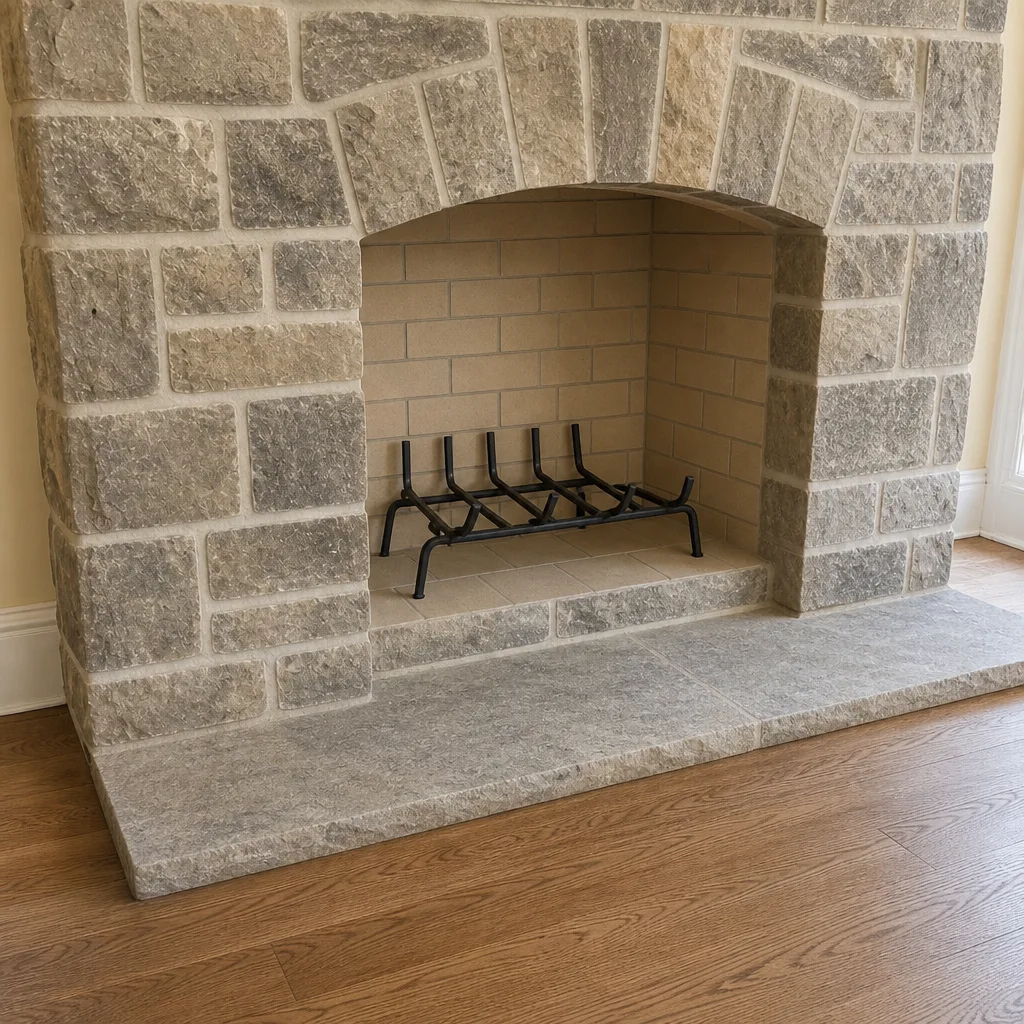
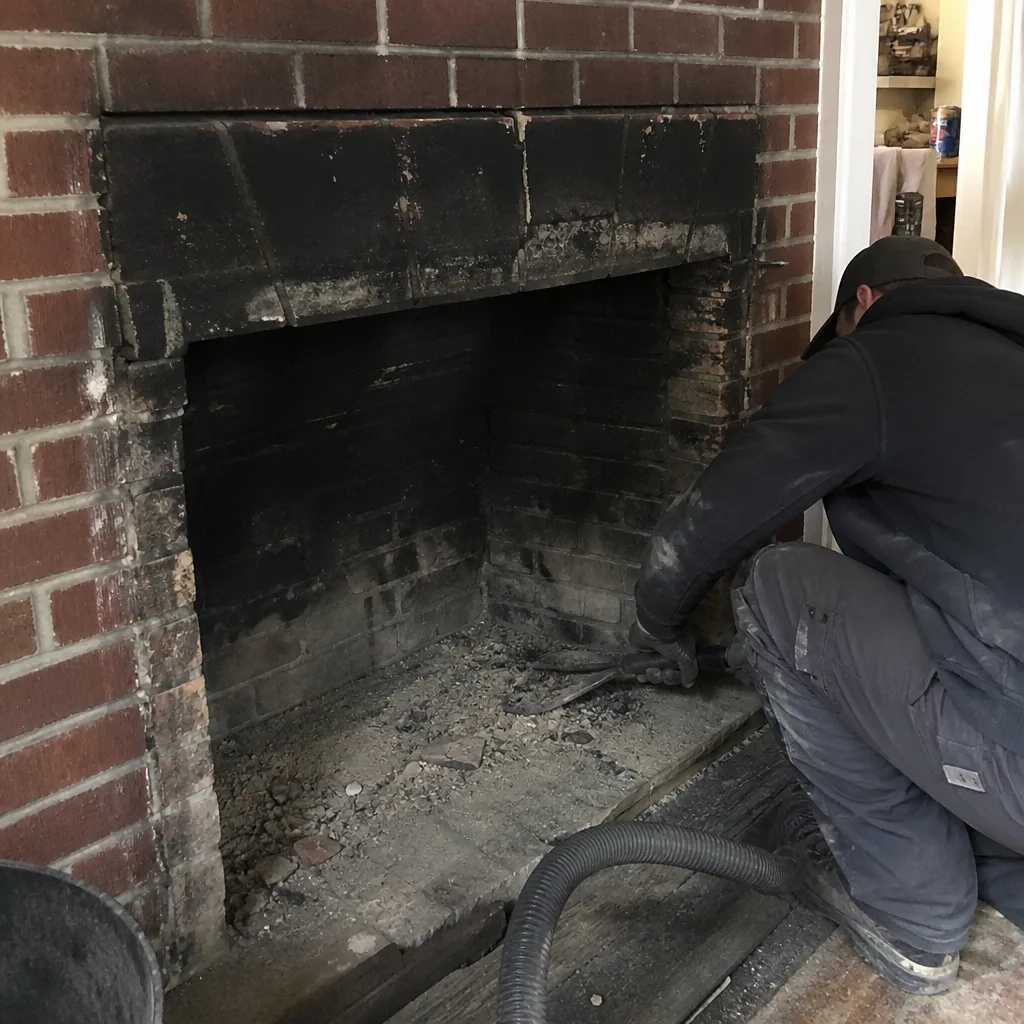
See the difference
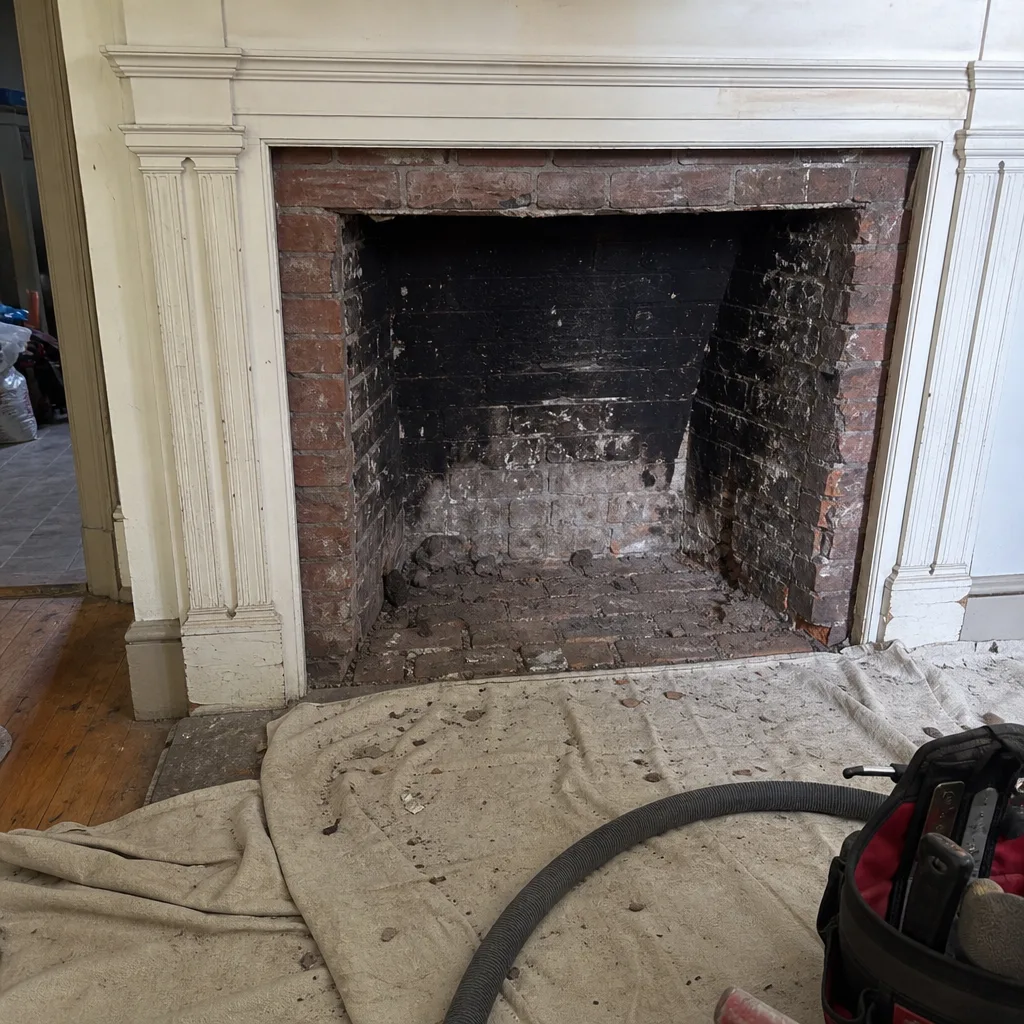 Before
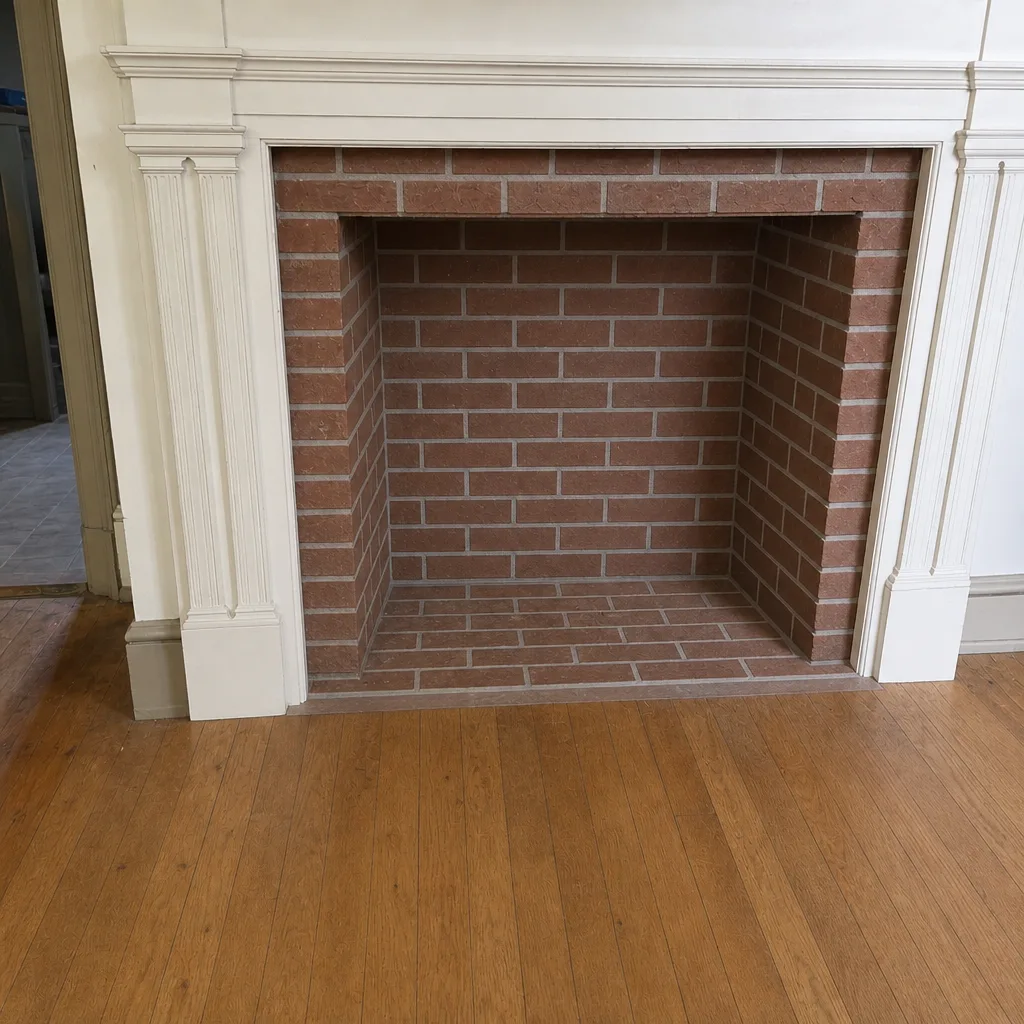 After
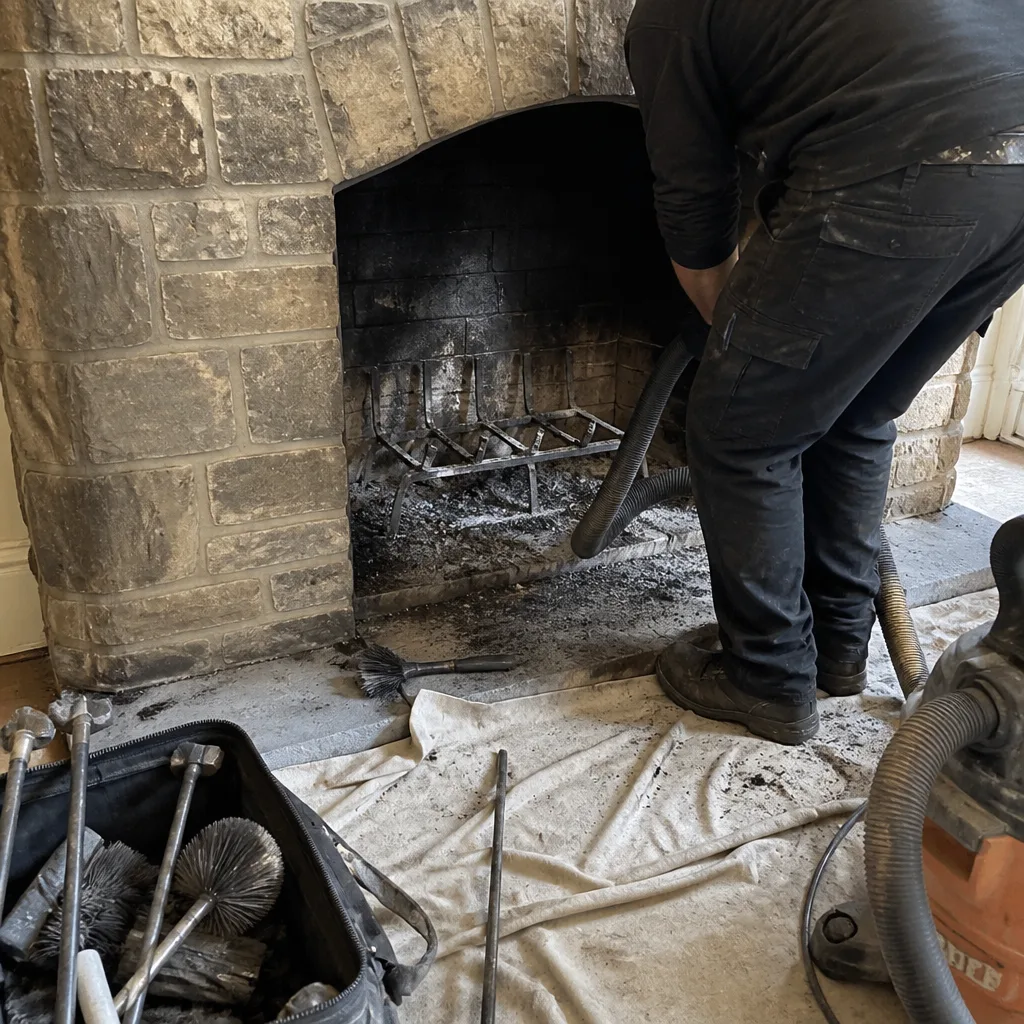 Before
 After
 Before
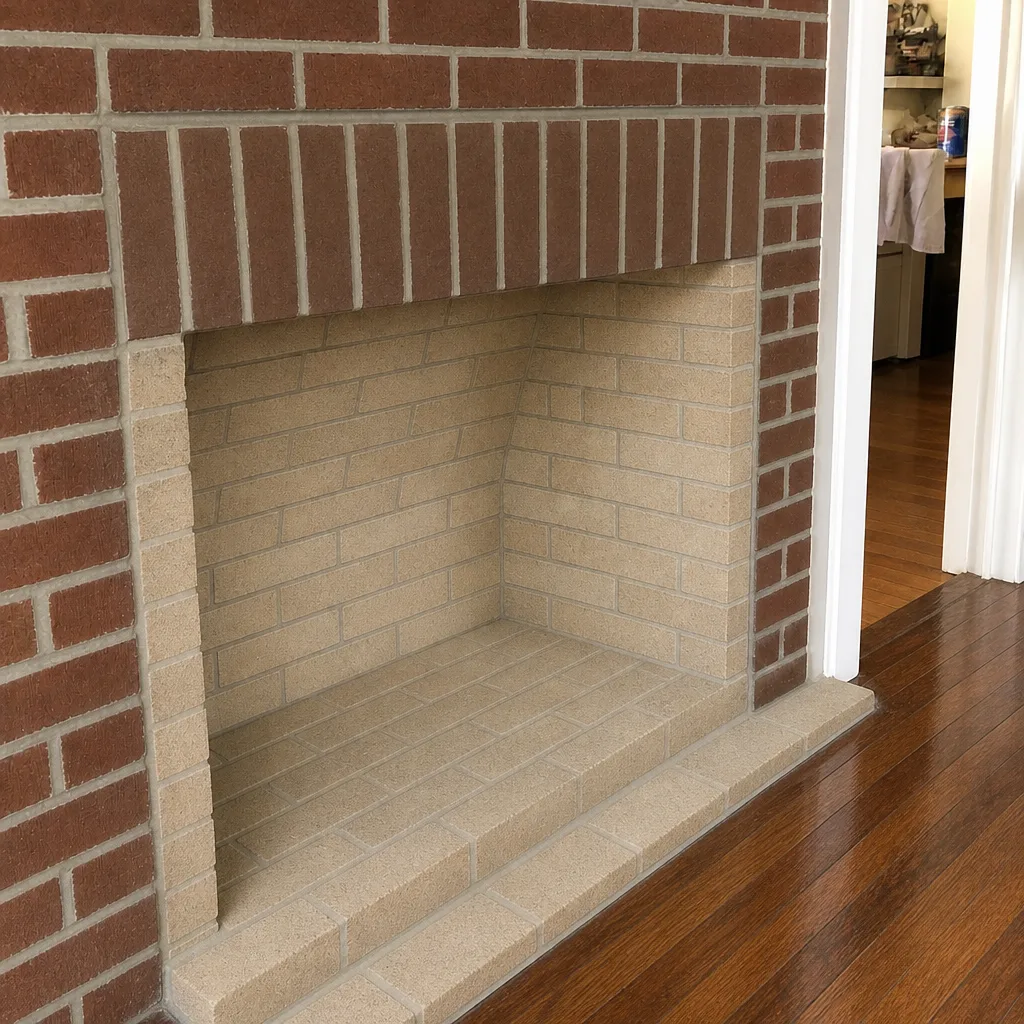 After
When to Call a Professional
Some jobs are fine to leave until the annual visit. Others need a call now. Call a professional if you’ve had a chimney fire, even a small one; if smoke backs into the room when you light a fire; if you smell a strong smoky odor when the fireplace is off; if you see cracked or missing flue tiles, a damaged crown, or a loose cap; or if it’s been more than a year since the last inspection. Also call if you’ve changed appliances, or if a storm did visible damage at the top. A trained chimney specialist works on the full system, from cap to firebox, and can diagnose and handle the repair in one relationship rather than pointing you to another contractor. Chimney Sweep Elmwood Village offers free estimates in Elmwood Village. Call (877) 792-5738. We answer 24/7. Fast dispatch from 7am to 7pm, Sunday through Friday.
Frequently Asked Questions
A standard cleaning with a Level 1 inspection typically falls in a moderate range for this market, with the final price set per job by a written estimate. Standalone inspections cost less; a Level 2 camera inspection costs more. Call (877) 792-5738 for an exact quote. Estimates are free.
Only if the inspection shows the existing flue can’t be restored safely. In many cases a damaged masonry flue can be rebuilt from the inside with HeatShield resurfacing instead of a full reline, which keeps the cost and disruption lower. When a new liner is needed, we use flexible DuraFlex systems because they can follow the irregular flue paths common in older Elmwood Village homes. No liner recommendation goes out without camera evidence you can review. Call (877) 792-5738 to schedule an inspection.
Inspect once a year and sweep when buildup calls for it. A heavily used wood fireplace may need cleaning more often than a lightly used one, and the annual inspection is what tells you which applies. In Elmwood Village, book the check before burning season so any repair can be handled in time. Call (877) 792-5738 to get on the schedule.
Creosote keeps building, and the flue keeps degrading, so the risk is two problems at once: more combustible deposit and a structure that’s no longer sound. A crack that a sweep would have caught can become a liner or masonry repair, and water getting past a failing crown can damage the chimney wall over seasons. A skipped year doesn’t always mean a fire, but it does mean the damage goes unseen. Call (877) 792-5738 for a free estimate.
Pre-war and mid-century brick responds to Western New York’s freeze-and-thaw cycles by loosening mortar joints and widening flue tile gaps over time. Many of these chimneys were also reconfigured for different appliances at some point, so the flue may not match what it vents now. The inspection accounts for both the age of the assembly and what’s connected to it.
A cleaning removes creosote and blockages; an inspection assesses the condition of the flue, crown, cap, and firebox. They belong together on a routine visit, but you can book an inspection on its own if you just want an answer. Inspections are offered as a standalone service, not only as a step toward repair work. Call (877) 792-5738 with questions. We answer 24/7. Fast dispatch from 7am to 7pm, Sunday through Friday.
The Bottom Line
Chimney cleaning in Elmwood Village is the visible part of a full-system check, and the inspection matters as much as the sweep. The three degrees of creosote behave differently, and the stage of the deposit tells you more about risk than the amount of it. Older housing stock and freeze-thaw cycles make the crown, cap, and flue liner worth a close look every year. A written report with evidence protects you and tells you what can safely wait. From inspection to repair, the point is to know the condition of the whole chimney, not just how much soot came out of it.
Ready to schedule? Chimney Sweep Elmwood Village covers the full chimney and fireplace system, from cap to firebox, using DuraFlex, HeatShield, Gelco, Olympia Chimney, Famco, and Copperfield components. Our technicians have up to 14 years of experience. Call (877) 792-5738 for a free estimate. We answer 24/7. Fast dispatch from 7am to 7pm, Sunday through Friday.
Written by the team at Chimney Sweep Elmwood Village.