
Last updated November 25, 2026
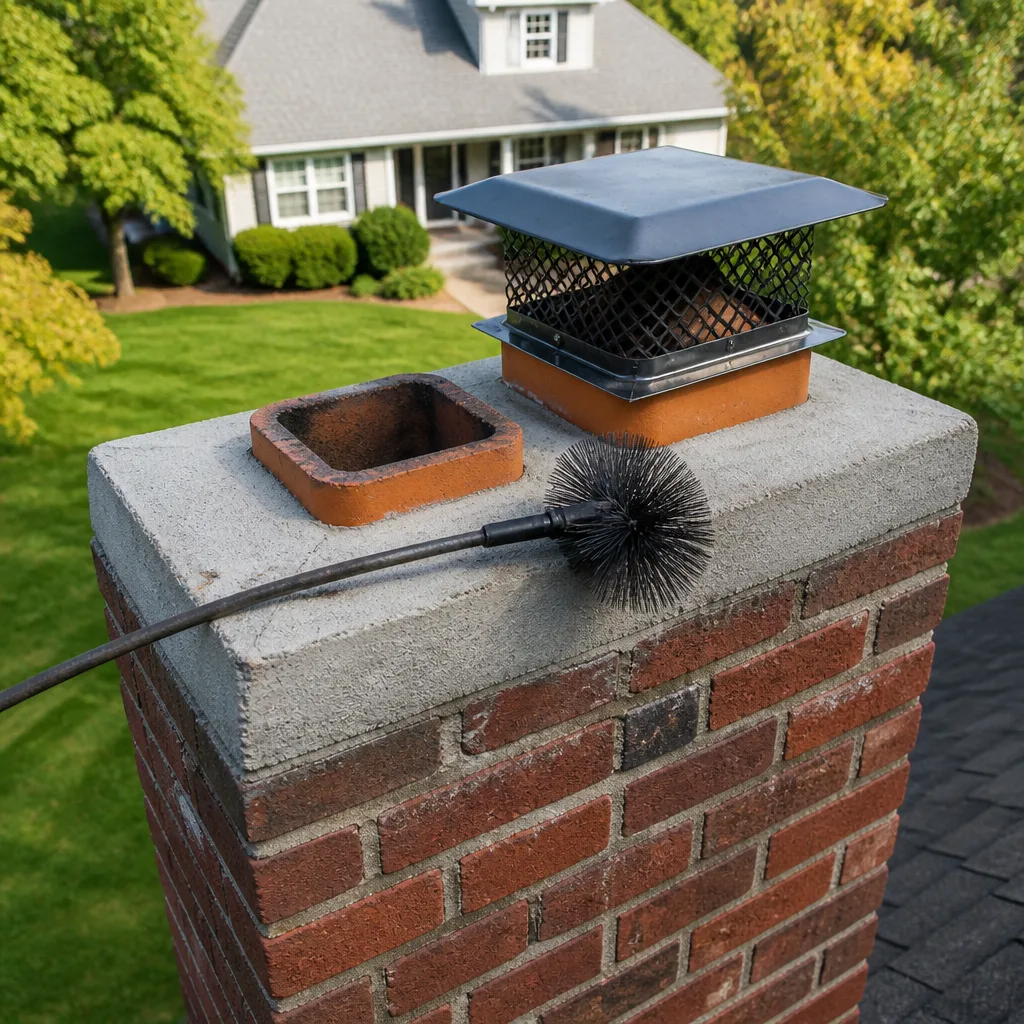 Sweep & inspection
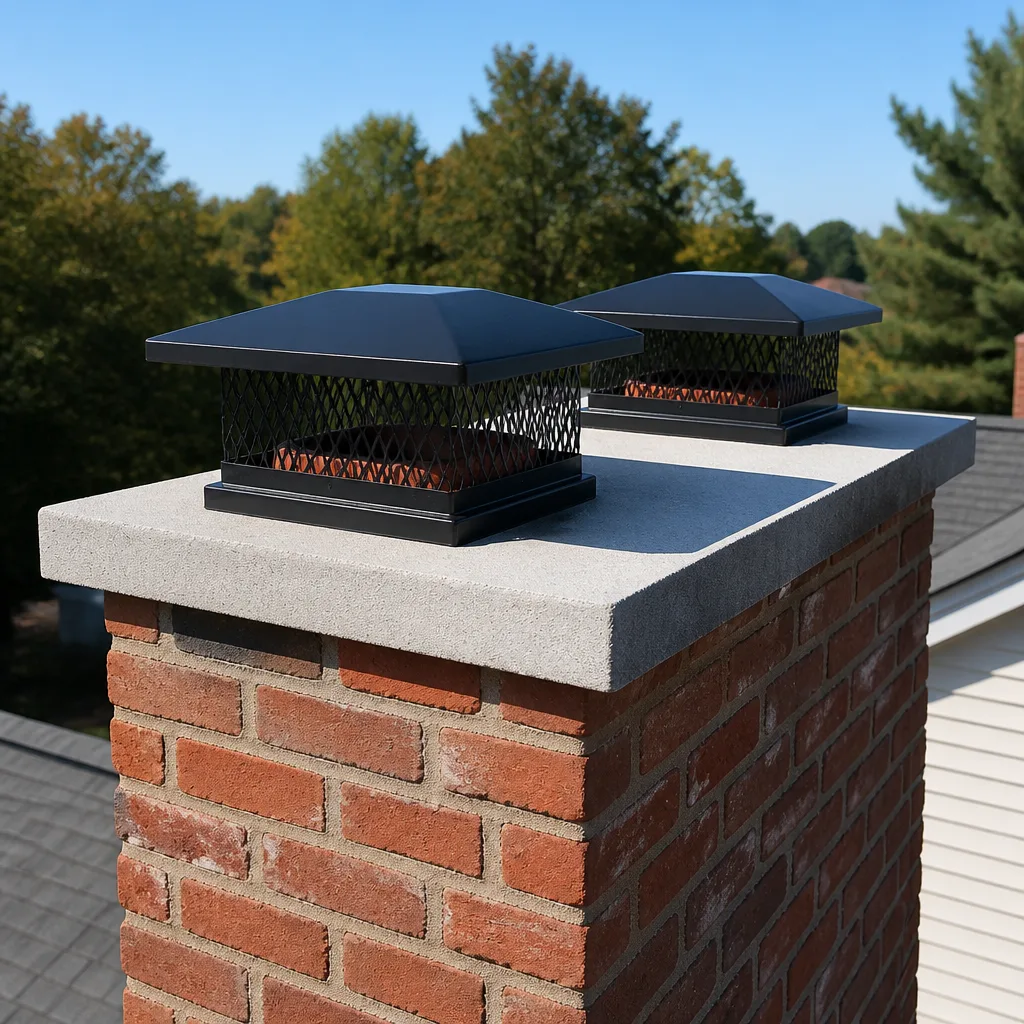 Caps & crowns
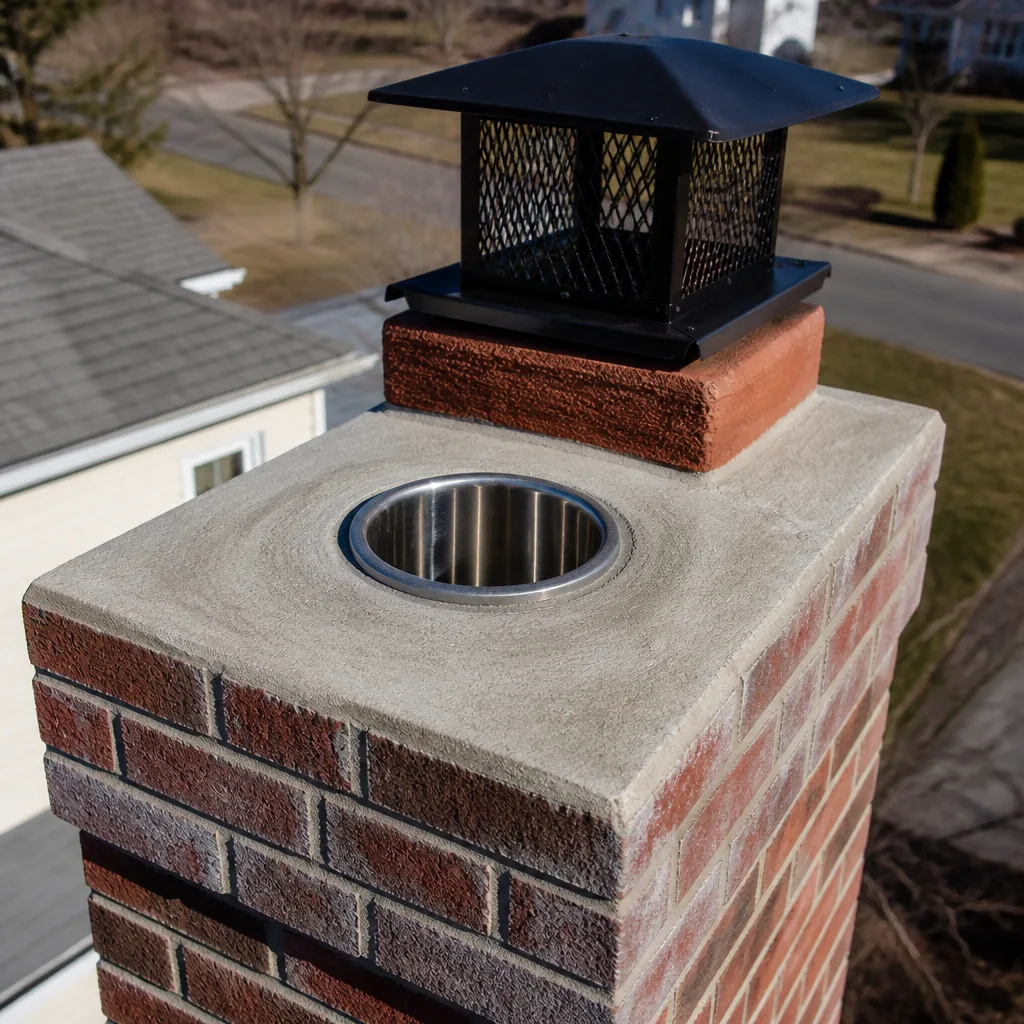 Flue relining
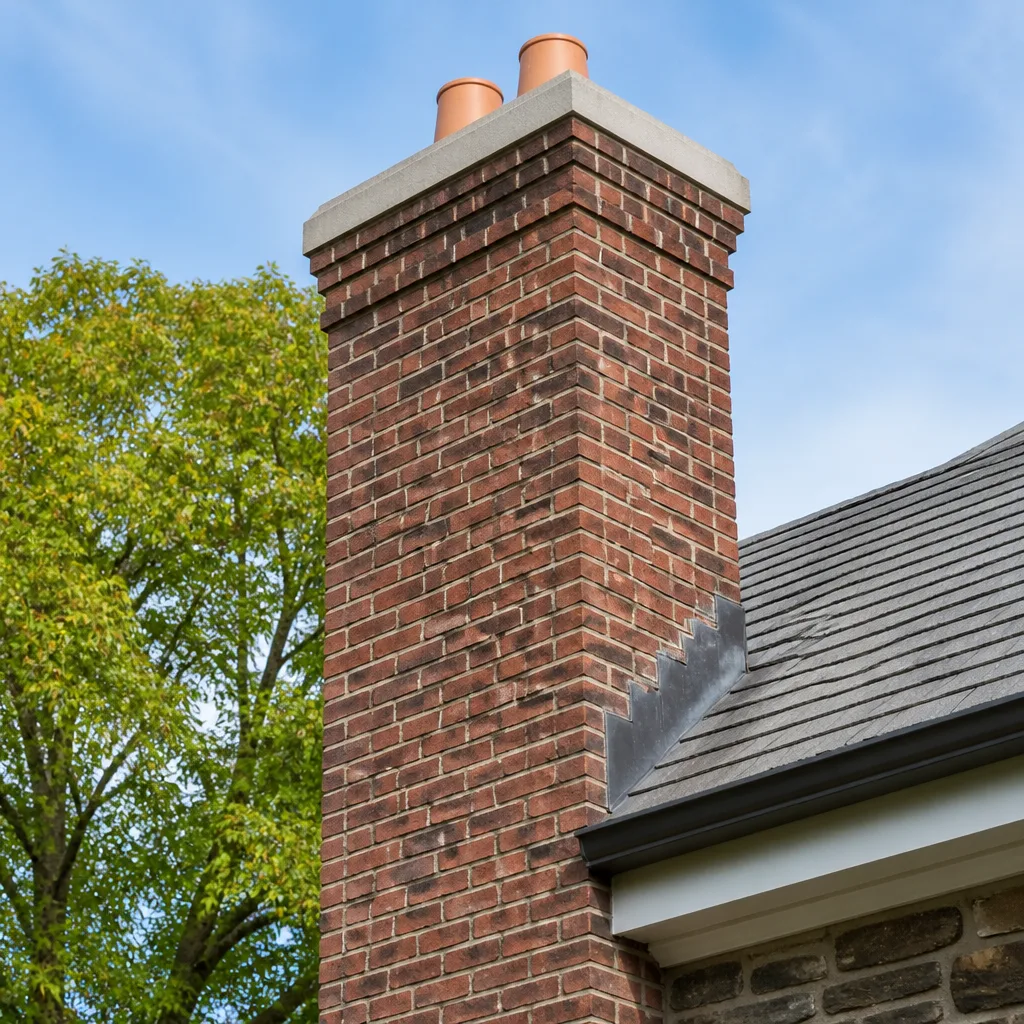 Masonry repair
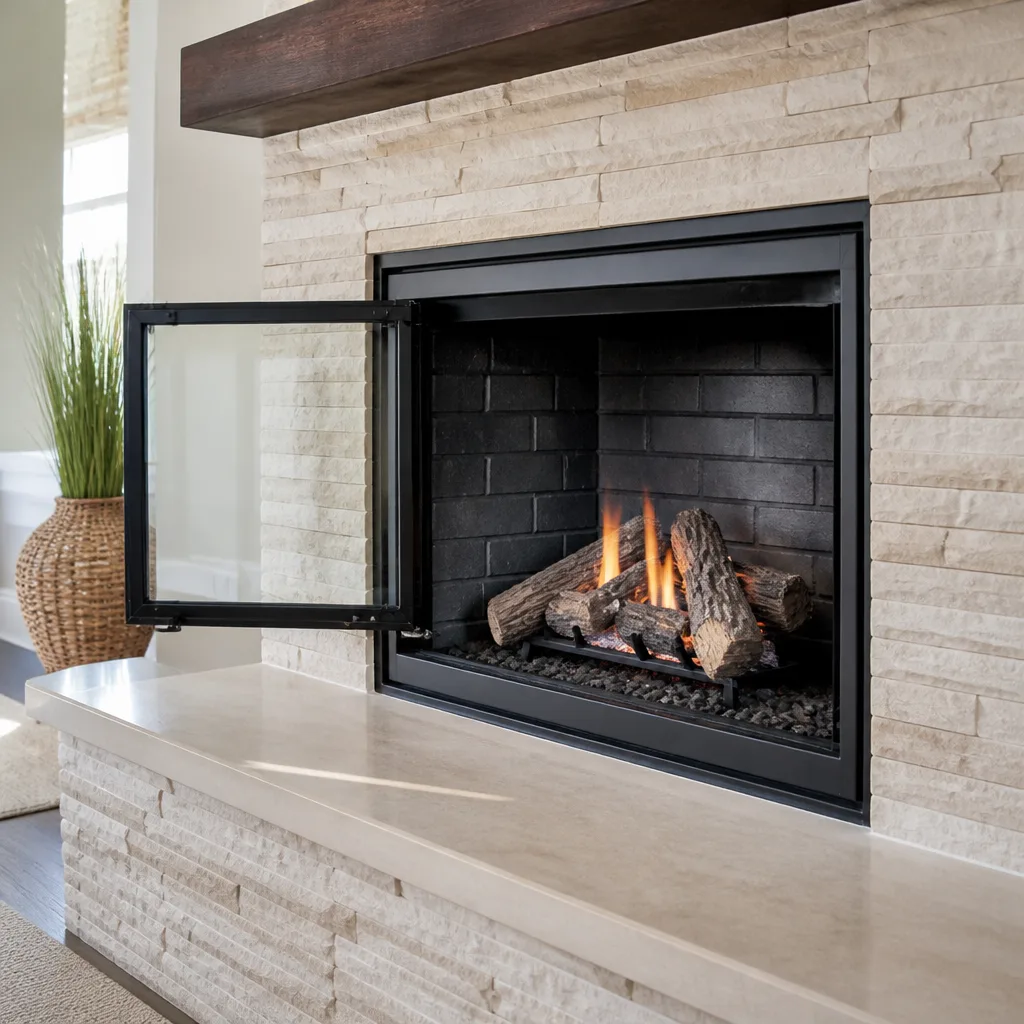 Gas fireplace service
Level 1 sweep and inspection to the NFPA 211 annual standard - flue, crown, cap, and flashing checked and photographed
Chimney sweep logs do not sweep chimneys. They loosen some creosote - which then falls where a brush and vacuum still have to collect it.
Chimney Cleaning Permits, Codes & Inspections in Elmwood Village, NY: What You Need to Know
Most homeowners assume a chimney sweep is the start of a permit conversation. It usually isn’t. Cleaning a flue is routine maintenance, and routine maintenance in New York doesn’t need a permit. But the repairs a cleaning tends to expose – a cracked liner, a crumbling crown, a rebuilt firebox – almost always do. That gap between what needs a permit and what doesn’t is where Elmwood Village homeowners get into trouble, often years after the work is done. This guide walks through what New York State and Erie County actually require, how a code inspection differs from a safety inspection, and what happens at resale or after a fire when the paperwork doesn’t match the work.
Quick Answer
In Elmwood Village, NY, a routine chimney sweep does not require a permit, but structural chimney work – liner replacement, crown reconstruction, firebox rebuilding, and new appliance connections – does trigger a permit from the City of Buffalo through Erie County. A passing code inspection and a passing safety inspection are two different things, and you usually need both. Keeping the permit records with your home’s paperwork protects your insurance coverage and your ability to sell.
Styles & brands we work with
- Sweep & inspection
- Caps & crowns
- Flue relining
- Masonry repair
- Gas fireplace service
Table of Contents
- Routine Maintenance vs. Regulated Repair Under New York Code
- What Triggers a Permit in Erie County and the City of Buffalo
- NFPA 211 Inspection Levels and Real Estate Documentation
- What Happens to Your Insurance Claim If Work Was Unpermitted
- Code Inspection vs. Safety Inspection: Why Passing One Isn’t Enough
- How Elmwood Village Housing and Western New York Winters Affect Chimney Codes
- Keeping Records: The Paper Trail That Protects You at Resale
- What You Can Legally Do Yourself (and What You Can’t)
Routine Maintenance vs. Regulated Repair Under New York Code
New York State’s building code, which follows the International Residential Code framework, draws a clean line between maintenance and repair. Sweeping a flue, removing creosote, checking a cap, replacing a damper handle – all maintenance. No permit. Replacing a liner, reconstructing a crown, or rebuilding a firebox – those fall under repair and alteration, and that’s where permits enter the picture.
The distinction matters because the two categories are handled by different people. A chimney sweep technician removes buildup and reports what they find. A licensed contractor working under permit performs structural work. When those two roles get blurred – when someone sweeps and then quietly rebuilds a crown without a permit – the homeowner carries the risk.
Here’s how the code generally categorizes chimney work:
- Maintenance (no permit): sweeping, creosote removal, cap tightening, damper adjustment, minor mortar pointing above the roofline, visual inspection.
- Regulated repair (permit typically required): liner replacement or relining, crown removal and reconstruction, firebox rebuild, flue tile replacement, changes to the chimney’s structural height or footprint.
- New installation (permit typically required): new appliance connections, converting a wood-burning fireplace to gas, adding a wood stove insert with a new flue.
In our experience across Elmwood Village, the confusion usually comes from the middle category. Homeowners hear “the liner needs to be replaced” and assume it’s just part of the sweep. It isn’t. A liner is a structural component of the chimney system, and in Erie County it’s treated like one.
What Triggers a Permit in Erie County and the City of Buffalo
Erie County doesn’t issue chimney permits directly. The City of Buffalo’s Department of Permit and Inspection Services does, and the county’s role comes in through shared code enforcement and inspection records. When a permit is pulled, the work gets inspected before it’s signed off. That sign-off is the document that protects you later.
These are the chimney-related triggers that typically require a permit in Elmwood Village and the surrounding City of Buffalo:
- Liner replacement or relining. Any full replacement of a clay tile liner or installation of a stainless steel liner system requires a permit. Our DuraFlex flexible liner systems are chosen for exactly this kind of work because they fit the irregular flue paths common in older Elmwood Village homes where rigid liners can’t pass.
- Crown reconstruction. Removing and rebuilding a chimney crown is structural masonry work and permit-regulated. Spot repointing is not.
- Firebox rebuild. Any structural rebuild of the firebox, smoke chamber, or damper frame assembly requires a permit.
- New appliance connections. Installing a new wood stove, insert, or gas appliance with its own vent connection needs a permit and an inspection of the venting.
- Chimney height changes. Adding height to meet the 10-foot rule or removing height to lower the roofline requires a permit.
- Structural repair after a chimney fire. Any masonry damaged by fire often requires a permit to reconstruct.
What does not typically need a permit: standard sweeping, creosote removal, cap replacement, minor flashing repair, and installing a top-sealing damper. If your technician flags any of the six items above, that’s your cue to ask about the permit sequence before work starts.
NFPA 211 Inspection Levels and Real Estate Documentation
NFPA 211 – the National Fire Protection Association’s standard for chimneys, fireplaces, vents, and solid fuel-burning appliances – defines three inspection levels. Real estate transactions in Western New York frequently call for a Level 2 inspection, and understanding what each level covers helps you ask for the right thing.
- Level 1 – Routine annual inspection. Visual check of accessible portions of the chimney, firebox, and vent connection. Appropriate when the appliance and fuel type haven’t changed. This is the standard annual once-over.
- Level 2 – Transaction or event inspection. Adds a video scan of the flue interior and inspection of accessible attic, crawl space, and other concealed areas. Required at property transfer, after a chimney fire or earthquake event, after an appliance change, or when a Level 1 reveals a concern. This is what buyer’s agents and insurers typically want to see.
- Level 3 – Diagnostic inspection. Involves removing parts of the chimney or building to access concealed areas. Used when a Level 2 identifies a serious defect that must be verified before repair.
For Elmwood Village homes changing hands, the Level 2 report is the document that answers three questions: is the flue safe to use, is there structural damage, and has any prior work been done without documentation? A written report with photos serves as formal evidence for the buyer’s lender and their insurer.
For more on routine cleaning between transaction milestones, our Chimney Sweep Elmwood Village overview covers timing and frequency. For the inspection itself, we offer it as a standalone service – not a back door into repair sales.
What Happens to Your Insurance Claim If Work Was Unpermitted
This is the part most homeowners don’t hear until it matters. If a chimney fire or carbon monoxide event happens and the insurance adjuster finds that recent structural work on the chimney was done without a permit or inspection, the claim can be reduced or denied. That’s not a scare tactic. It’s a standard feature of most homeowners’ policies: they require that structural work be performed to code, and unpermitted work is treated as evidence that code wasn’t followed.
The risk breaks down three ways:
- Claim denial. If the insurer can show that unpermitted work contributed to the loss, they have grounds to reduce or deny the claim.
- Coverage exclusion. Some policies contain specific language about unpermitted alterations to the heating or venting system. When triggered, the entire chimney-related portion of a claim can fall outside coverage.
- Policy non-renewal. If the insurer learns about unpermitted work during a routine review, they can decline to renew coverage on the home – a headache that stays with the property.
Permits aren’t bureaucracy for its own sake. They create a paper trail that shows the work was inspected by the authority having jurisdiction. When an adjuster sees that record, the conversation shifts from “was this done right?” to “what’s the damage?” – a much better place to be.
This is also why we keep inspection reports and permit documentation with every project file. We work with your insurer, not around them.
Code Inspection vs. Safety Inspection: Why Passing One Isn’t Enough
These two words get used interchangeably, and they shouldn’t. A code inspection confirms the chimney as built or repaired meets the adopted building code – proper clearances, correct materials, permitted and inspected work. A safety inspection evaluates whether the system as it sits today is safe to operate.
The difference shows up in practice in a few ways:
- A code inspector checks the plan. If the chimney is built to the plan and matches the code, it passes – even if the flue is full of creosote buildup that hasn’t been swept.
- A safety inspector checks the system in use. They look for creosote thickness, blockage, cracked tiles that could let hot gases into the framing, and cap integrity. A chimney can pass a code inspection and still have a dangerous creosote load.
- The two use different standards. Code refers to the IRC and local amendments. Safety refers to NFPA 211. Both matter, and they check different things.
Elmwood Village’s older housing stock – much of it from the early 1900s through the 1930s – is where the two diverge most. A chimney can be structurally legal and still have a clay tile liner cross-section that’s far too small for the fireplace opening. That’s a code-adjacent performance problem, not a code violation, and only a proper safety inspection catches it.
When we restore flues, we use HeatShield ceramic resurfacing compound for exactly this reason: it lets us restore a structurally sound flue at the correct cross-section without a full reline in many cases. That property – a chimney that passes both code and safety when it started as code-only – is what good restoration looks like.
How Elmwood Village Housing and Western New York Winters Affect Chimney Codes
Buffalo winters are tough on masonry. Freeze-thaw cycles – dozens of them every winter – open hairline cracks in mortar joints, then widen them the next cycle. Chimney crowns take the brunt because they sit flat on top of the stack, absorbing snowmelt and refreezing it overnight. This is not a cosmetic issue. A failing crown lets water into the chimney structure, and water in a flue in a Western New York winter is one of the fastest ways to crack a clay tile liner.
That’s why so much of the work we see in Elmwood Village centers on the cap and crown rather than the firebox. Water intrusion from a failed crown is the leading cause of masonry repair calls in this climate, and it’s the failure that’s easiest to prevent. A properly sized and pitched crown and a correctly fitted stainless cap – the kind we install using Gelco caps and Copperfield components – keep water out before it starts damaging the liner.
What does that mean for permits? Crown reconstruction is permit-regulated. Cap replacement on the same crown footprint usually is not. So the most effective long-term move is keeping the crown healthy – repointing and sealing when the first cracks show – so you don’t need the reconstruction permit at all.
A few local considerations for Elmwood Village homeowners:
- Older flue configurations. Homes on and around Ashland Avenue, Delaware Avenue, and Elmwood Avenue itself often have irregular clay tile liners. Liner replacement in these homes needs a permit and typically calls for a flexible system – that’s part of why we use DuraFlex, which handles the bends rigid liners can’t.
- Chimney orientation. West-facing chimneys catch lake-effect wind-driven snow on the crown and cap junction. That’s where we look first after a hard winter.
- Ice dams and flashing. Roof-level flashing repair at the chimney penetration falls under general roofing rules in Erie County and can require a permit if it involves more than resealing.
Keeping Records: The Paper Trail That Protects You at Resale
If a permit is the insurance of the permit process, the paperwork is the insurance of the permit. In Western New York real estate transactions, a buyer’s inspector will ask for chimney documentation. When you can produce it, the process moves quickly. When you can’t, the buyer’s side asks for a Level 2 inspection and you may be asked to cover the cost of anything the report reveals.
Here’s the record set to keep for every chimney project:
- Permit number and copy of the approved application for any liner replacement, crown reconstruction, firebox rebuild, or appliance connection.
- Final inspection sign-off from the City of Buffalo Department of Permit and Inspection Services.
- Photos of the work before, during, and after – camera scans from inside the flue if liner work was done.
- Manufacturer documentation for any liner system (DuraFlex system sheets), resurfacing compound (HeatShield), or cap (Gelco, Copperfield) installed.
- Annual inspection reports – Level 1 reports for each year of ownership, and the Level 2 report if one was done at purchase.
- Sweep logs showing cleaning dates and conditions found.
All of this goes in one folder with the home’s maintenance records. If you sell, it goes to the buyer. If you have a claim, it goes to the adjuster. In our experience, the homes with good records close faster and have straightforward claims. That’s not a coincidence.
What You Can Legally Do Yourself (and What You Can’t)
New York allows homeowners to perform maintenance on their own property without a permit. What it doesn’t allow is unpermitted structural work – even by the owner – on components addressed by the building code. There’s also a practical limit that matters more than the legal one: chimney work involves real risks that come from the tools, the heights, and the gases.
A few clear rules:
- You can clean. Sweeping the flue from the firebox or roof, removing creosote with proper brushes, vacuuming soot – legal and permitted for a homeowner to do.
- You can inspect visually. A flashlight look up the flue from the firebox is fine. Anything beyond that – camera scans, disassembly – is technician territory.
- You can’t reline or rebuild without a permit. Structural work requires the permit and inspection that only a licensed contractor can obtain.
- Gas appliance connections should never be DIY. Carbon monoxide risk is real, and the venting matters more than the appliance itself. A new gas appliance connection needs a permit and a licensed installer.
One more limit worth stating plainly: high chimneys, steep roofs, and damaged crowns are genuinely dangerous to work on. If a chimney cap has come loose and the roof pitch is steep, or the chimney stack is tall, we recommend a trained technician – not because the homeowner can’t do it, but because the risk-to-reward ratio isn’t there. The same goes for anything involving a gas line connection. Leave those to a professional.
For the routine cleaning side, our chimney sweep page walks through what a proper service covers and what a technician checks while they’re there.
Common Mistakes to Avoid
- Assuming a sweep is the same as an inspection. A sweep removes buildup; an inspection documents the condition of the system. Ask for both in the same visit and get a written report – NFPA 211 Level 1 is the baseline.
- Letting a “sweep and repair” operator do structural work without a permit. In Elmwood Village’s older housing stock, crown and liner work is common, and it’s exactly the kind of work that should have a permit number attached. Ask for it in writing before work begins.
- Skipping the Level 2 inspection at purchase. A home sale is the moment when undisclosed chimney problems become your problem. Insist on a Level 2 before closing so the flue interior is actually documented.
- Confusing a code inspection with a safety inspection. Passing city code inspection means the work was done legally. It doesn’t mean the flue is safe to use. Get both, especially after repairs.
- Waiting for winter to check the crown. Western New York freeze-thaw damage shows up every spring. Inspect the crown and cap in late fall so repairs happen before the first hard freeze, not after the first ice dam.
- Throwing away the paperwork. Permit records, inspection reports, and product sheets are what protect you at resale and after a fire. Keep them in one place with the home’s other records.
- Assuming unpermitted work “was probably fine.” The work might be fine; the insurance consequences aren’t. Most policies require code-compliant work, and unpermitted chimney repairs are one of the most common reasons claims get denied.
See the difference
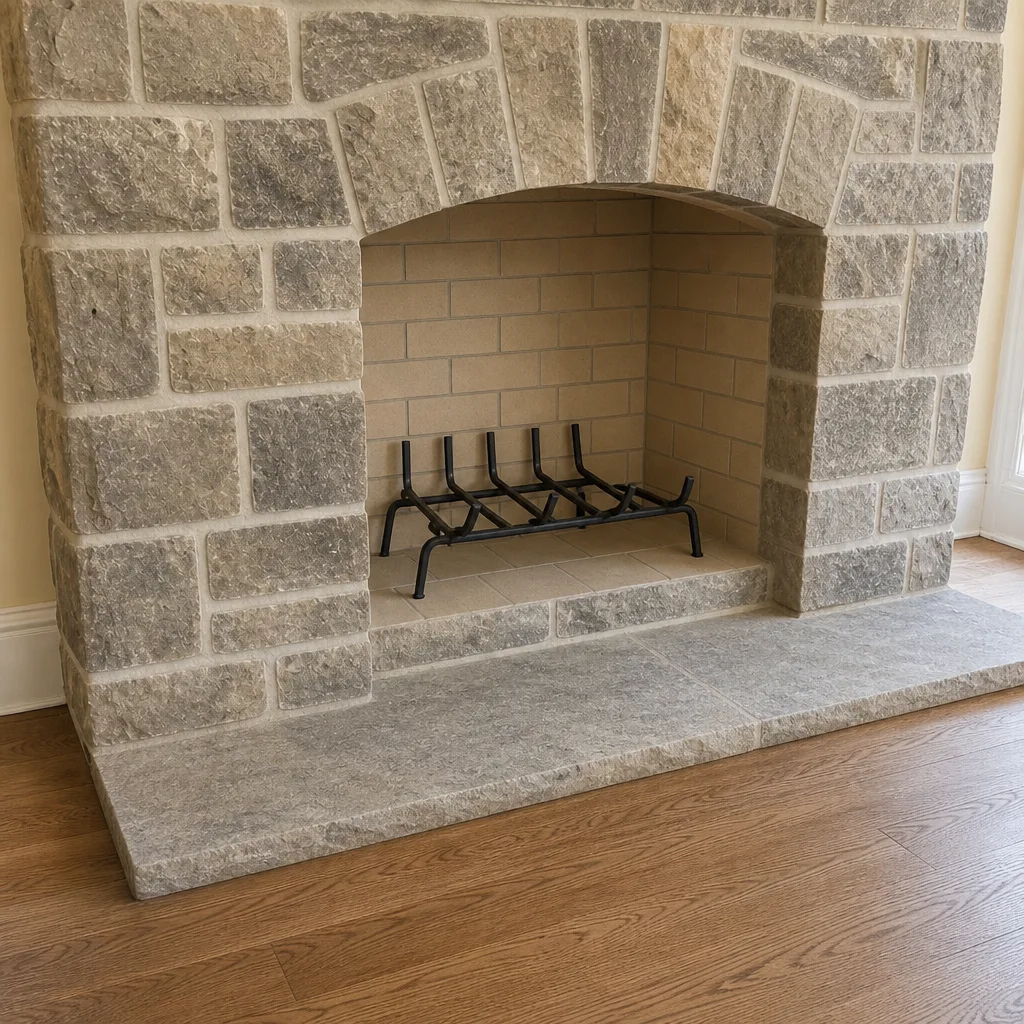
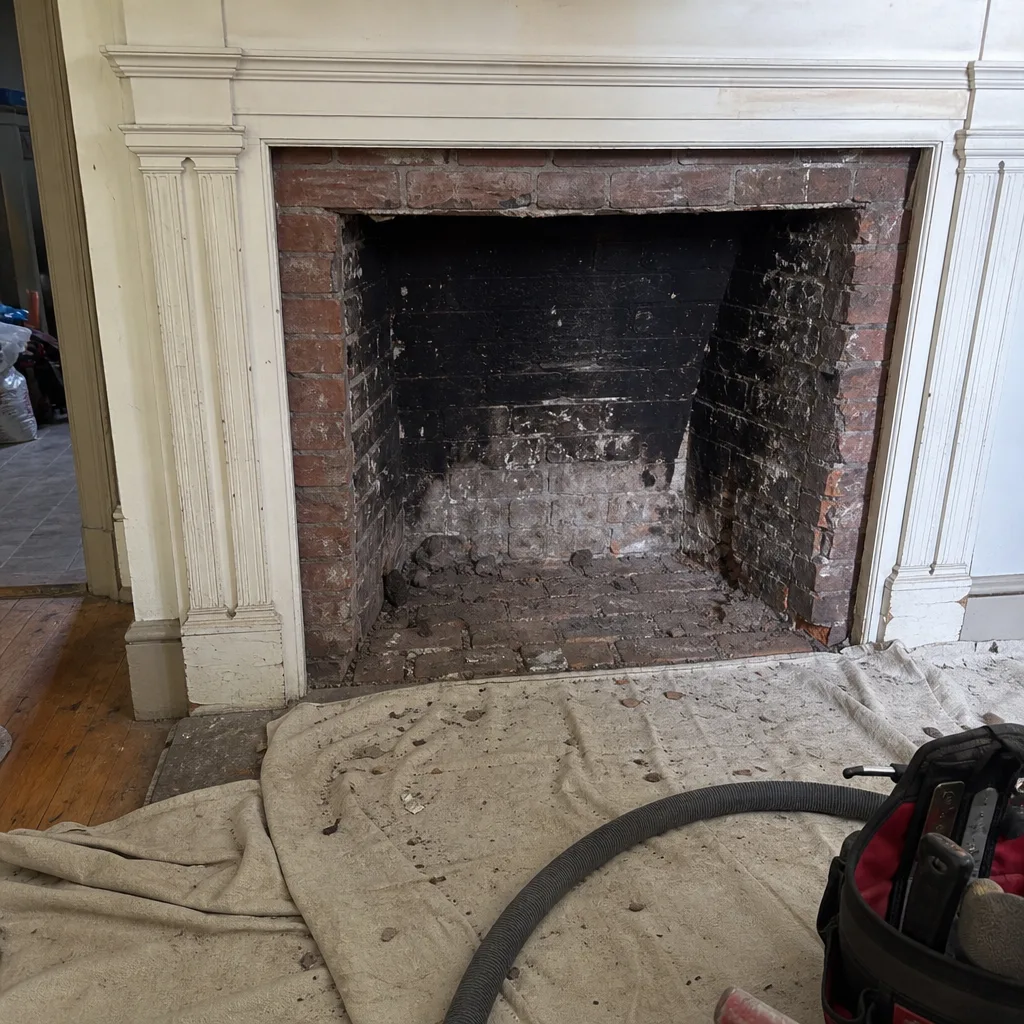 Before
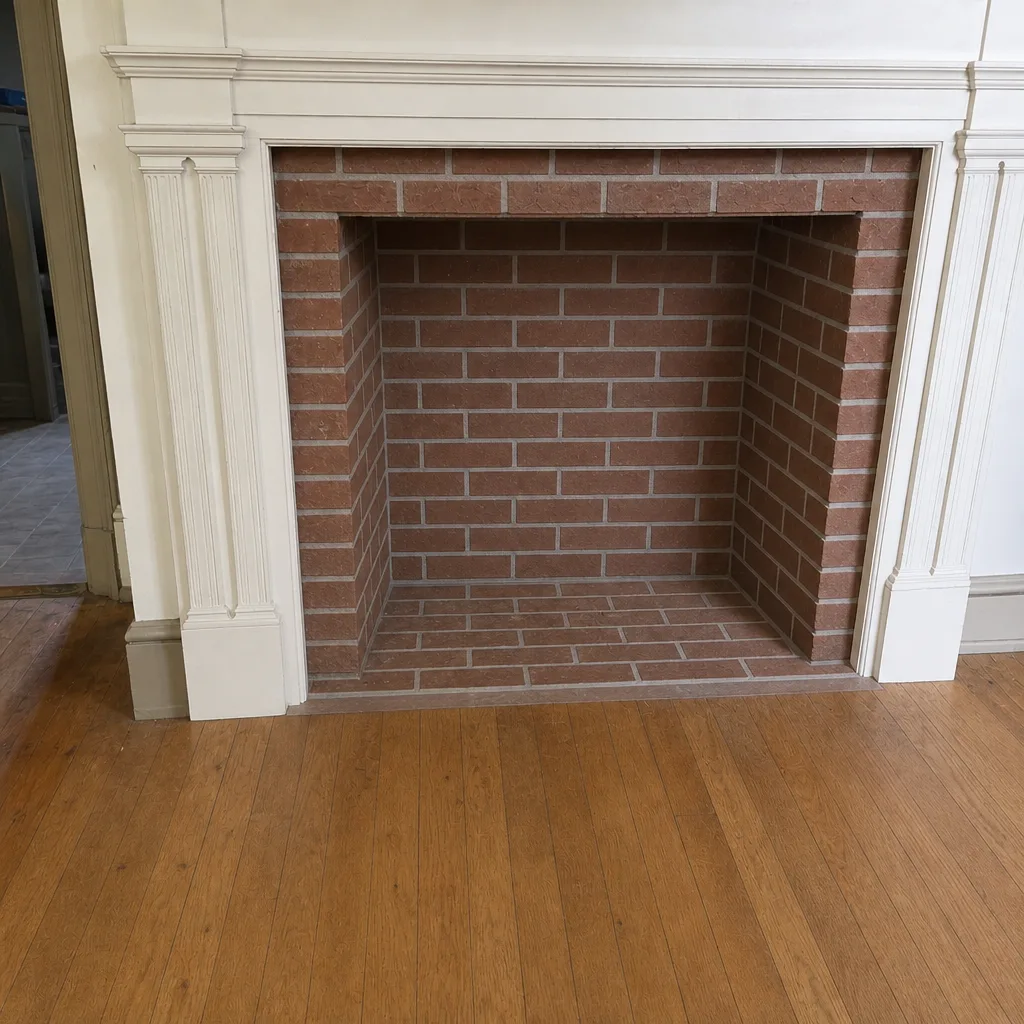 After
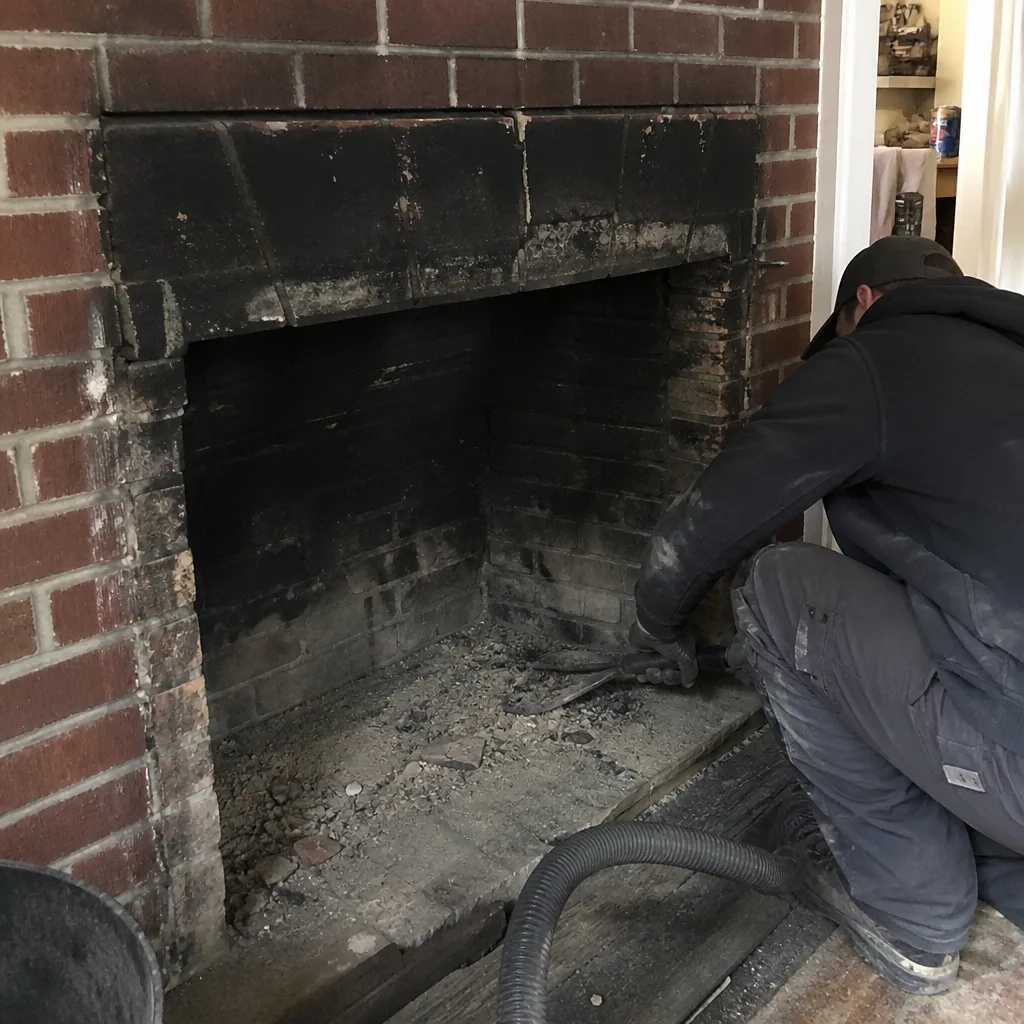
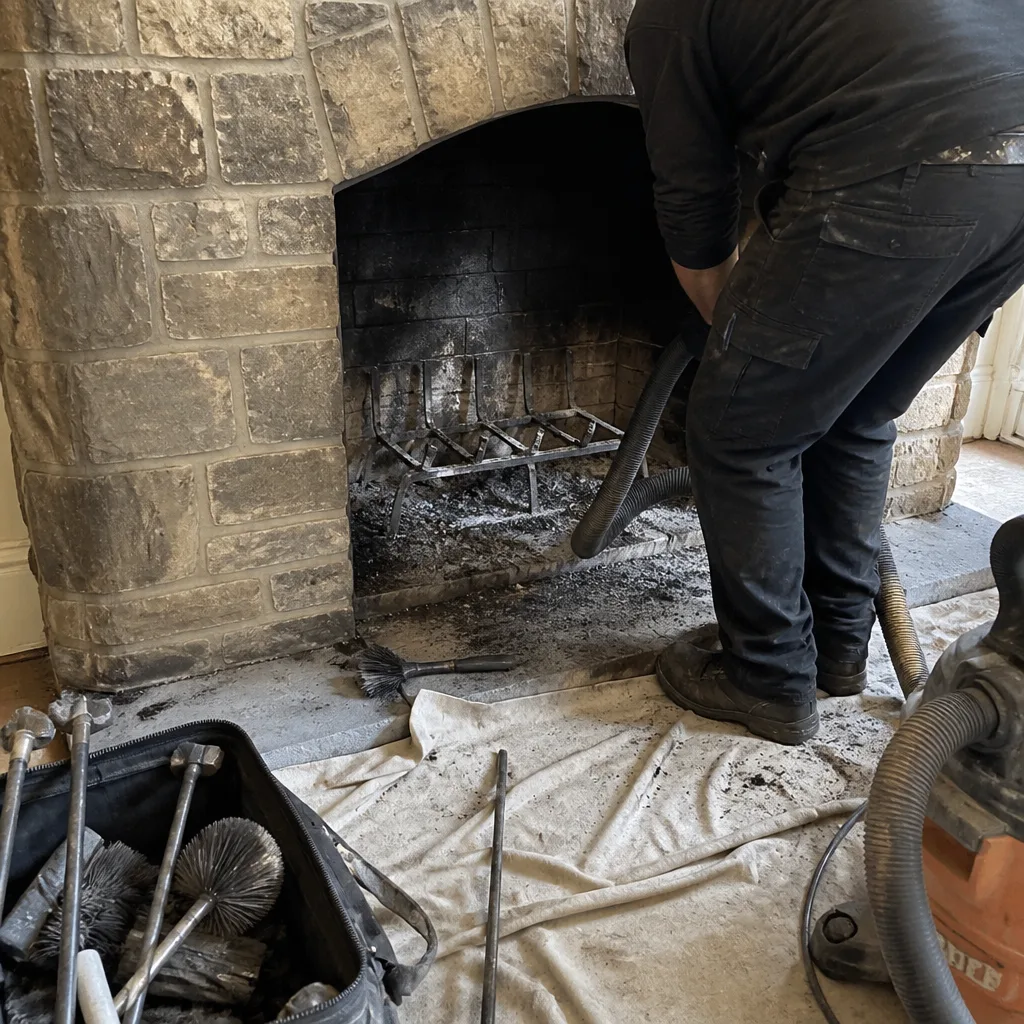 Before
 After
 Before
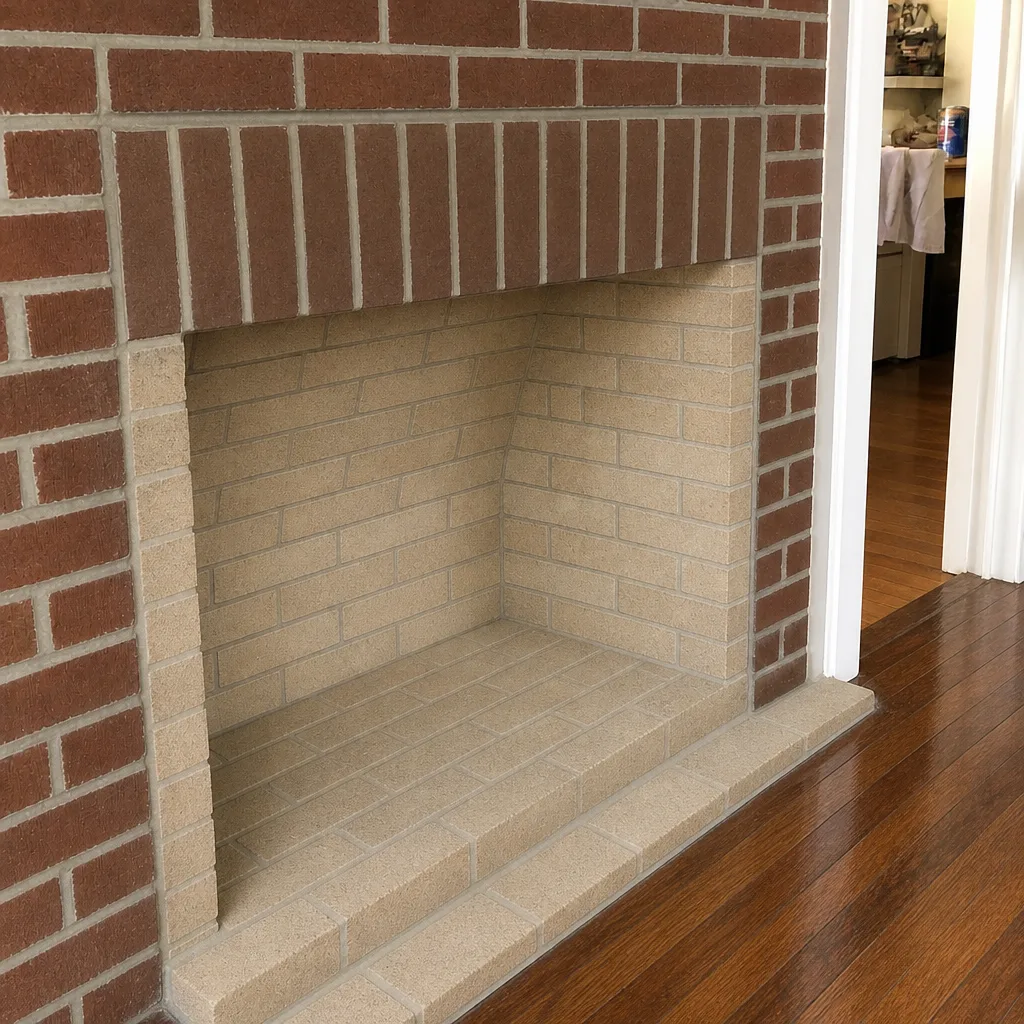 After
When to Call a Professional
Call a professional when the cleaning uncovers structural damage; when a code inspection turns up a permit question; when the crown is cracked, the cap is missing, or the flue has visible gaps; when you’re buying or selling a home and need a Level 2 inspection; or when you’re considering a liner replacement, crown reconstruction, or firebox rebuild that requires a permit. Call a professional immediately if you smell gas, see soot on the ceiling above the fireplace, or experience a chimney fire. Our chimney repair and chimney cap & crown crews handle the structural side under permit and provide inspection reports as a standalone service – not a sales funnel. Chimney Sweep Elmwood Village offers free estimates in Elmwood Village – call (877) 792-5738.
Frequently Asked Questions
No. Routine chimney sweeping does not require a permit in Elmwood Village or anywhere else in New York State – it falls under routine maintenance. A permit becomes necessary only if the sweep reveals structural work that needs doing, such as liner replacement, crown reconstruction, or a firebox rebuild. Call (877) 792-5738 for an exact quote – estimates are free.
The price depends on the chimney’s condition and whether an inspection is included, so we only quote it after the written estimate. What we can tell you is that we don’t charge a call-out fee and the estimate is free – the cost of the sweep itself is set by the written estimate before any work begins. Call (877) 792-5738 for your estimate.
Yes, we strongly recommend one. NFPA 211 calls for a Level 2 inspection at property transfer, and in Elmwood Village’s older homes it’s the only way to see inside the flue – the place where undisclosed liner damage and unpermitted past work tends to hide. A written Level 2 report protects your side of the sale. Call (877) 792-5738 to schedule one.
Several things can happen, and none are good. Your insurer may reduce or deny a claim if the unpermitted work contributed to a loss, some policies specifically exclude unpermitted alterations to the venting system, and the non-disclosure can affect your ability to sell. The work itself might be fine – the paperwork problem isn’t. If you’re unsure whether work needs a permit, call (877) 792-5738 and we’ll talk it through.
No. A code inspection confirms the chimney meets the building code – proper clearances, correct materials, permitted and inspected work. A safety inspection (NFPA 211) evaluates whether the system is safe to operate today, including creosote buildup, blockages, and liner integrity. A chimney can pass one and fail the other. You generally need both, especially after repairs. Call (877) 792-5738 to schedule.
Once a year for a fireplace or wood stove in regular use, and more often if you burn green wood or notice a heavy creosote smell. In Western New York’s prolonged burning season, many homes run from October through March – which keeps creosote accumulating the whole time. An annual Level 1 inspection catches buildup problems before they become fire risk. Call (877) 792-5738 to book your annual sweep.
The Bottom Line
The line between chimney maintenance and permitted structural repair is simpler than it looks. Cleaning is maintenance – no permit. Structural work (liners, crowns, fireboxes, new appliance connections) needs a permit from the City of Buffalo through Erie County. The two inspection types – code and safety – check different things, and you need both to be fully covered. Keep the paperwork. Give it to your buyer or your insurer when asked. In Elmwood Village’s older housing stock, the chimney’s age means the paperwork trail is more valuable than the chimney itself. If you’re unsure where your chimney stands, get a proper inspection before the season starts.
Call (877) 792-5738 for a free estimate. We answer 24/7. Fast dispatch from 7am to 7pm, Sunday through Friday.
Written by the team at Chimney Sweep Elmwood Village.