
Last updated November 25, 2026
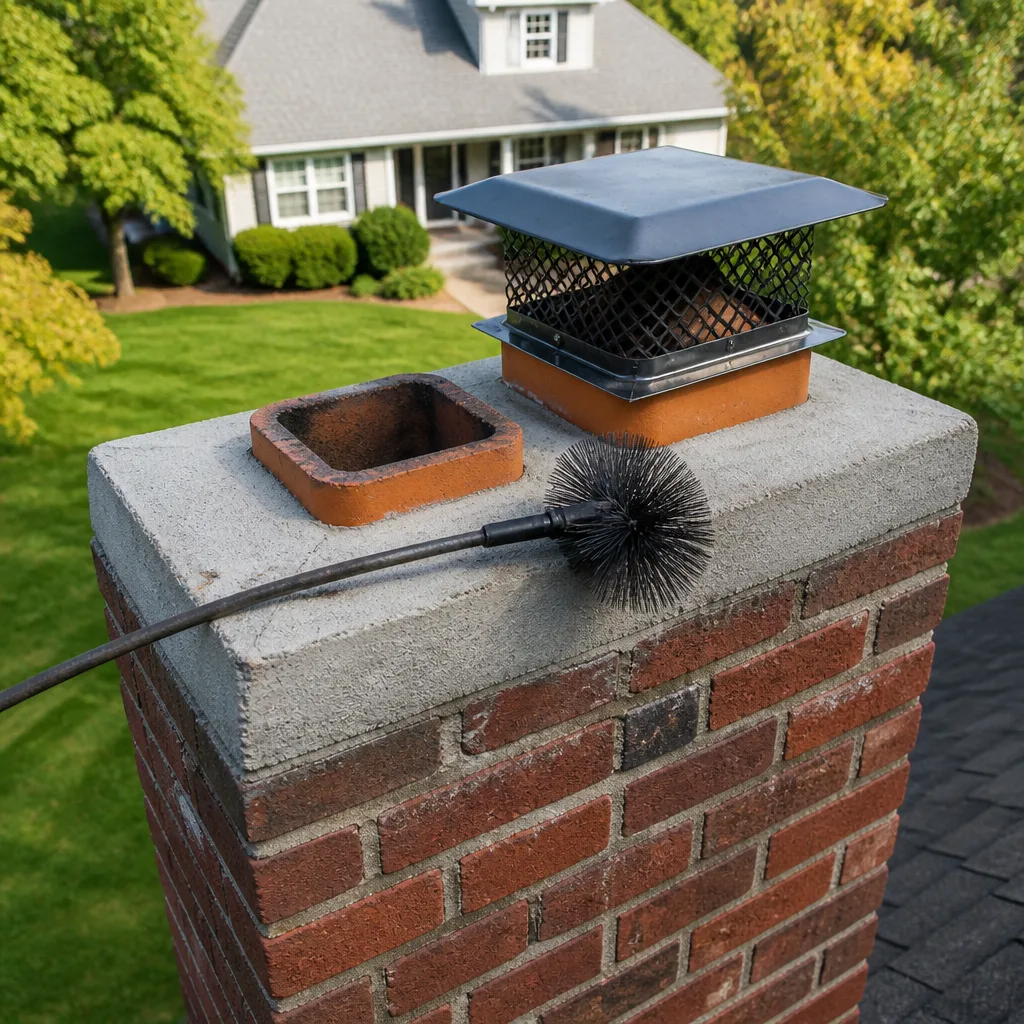 Sweep & inspection
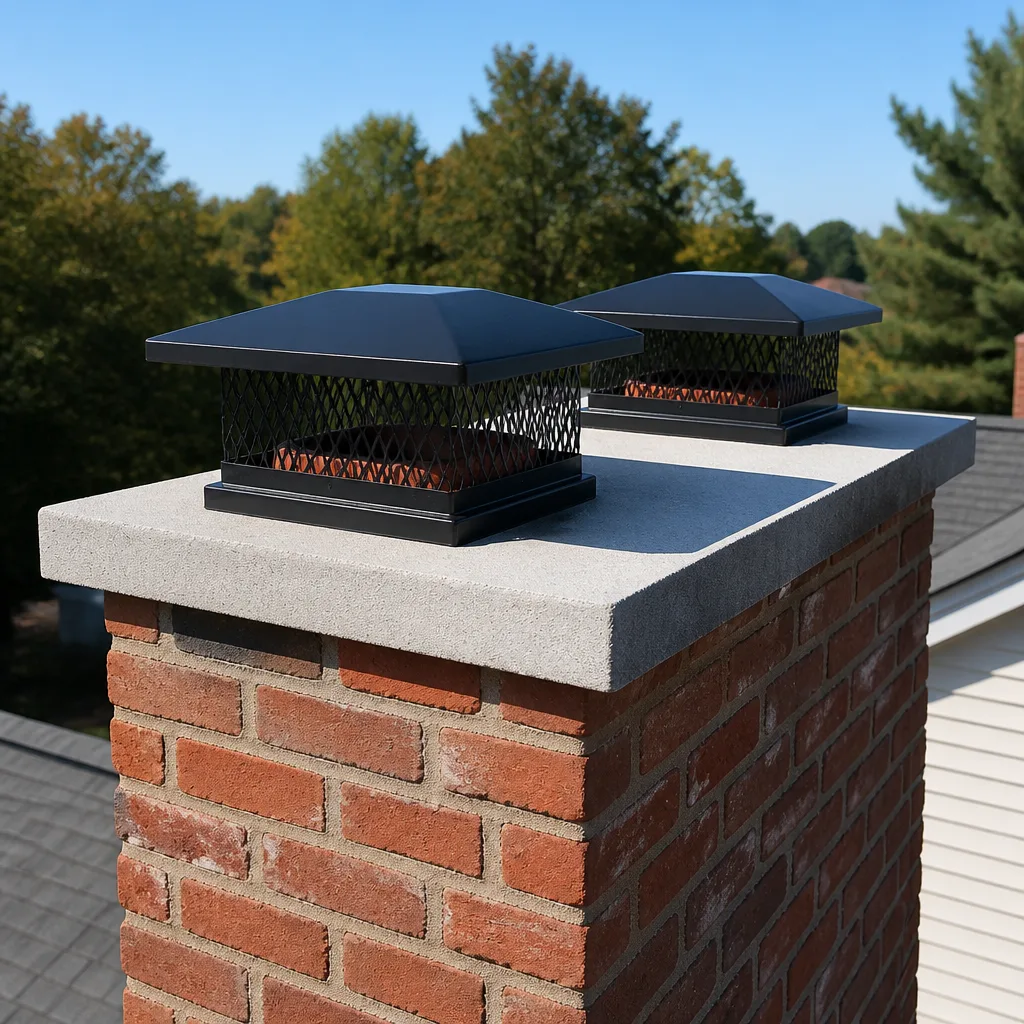 Caps & crowns
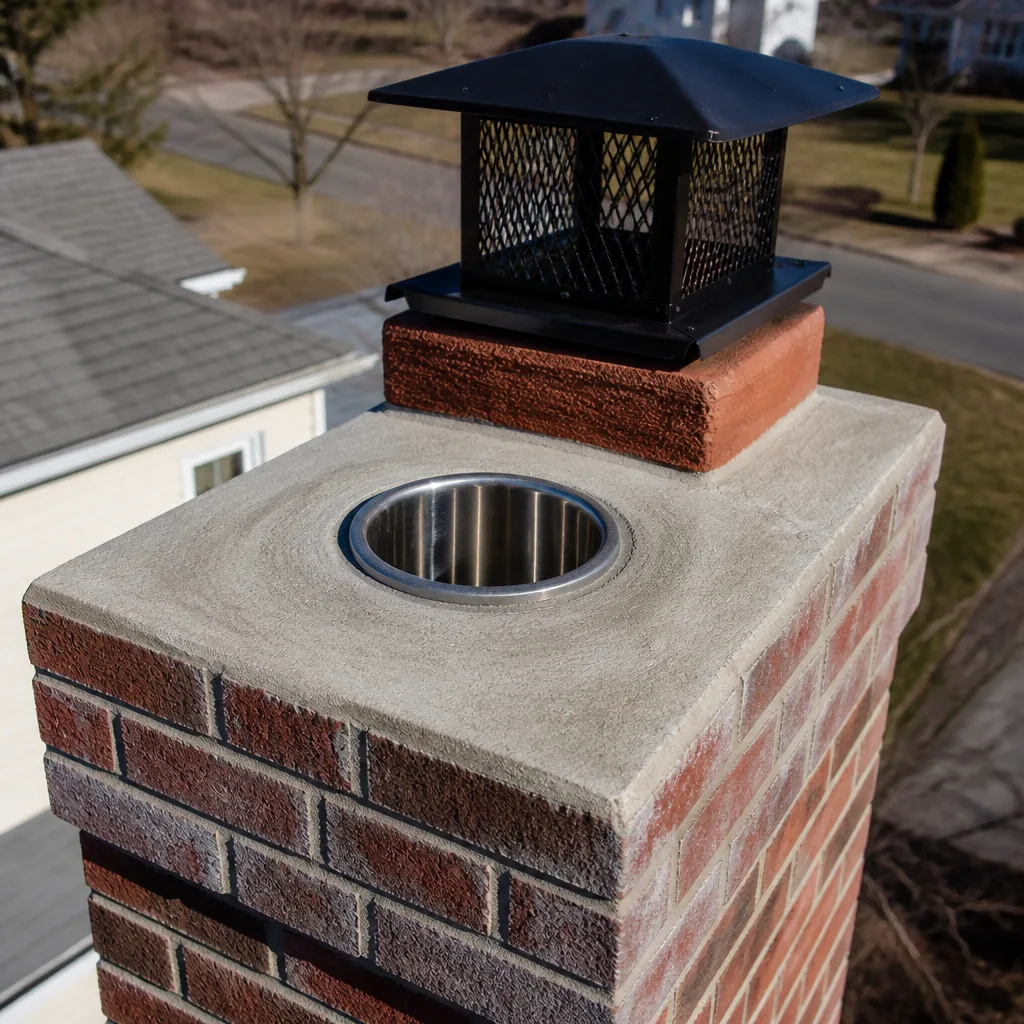 Flue relining
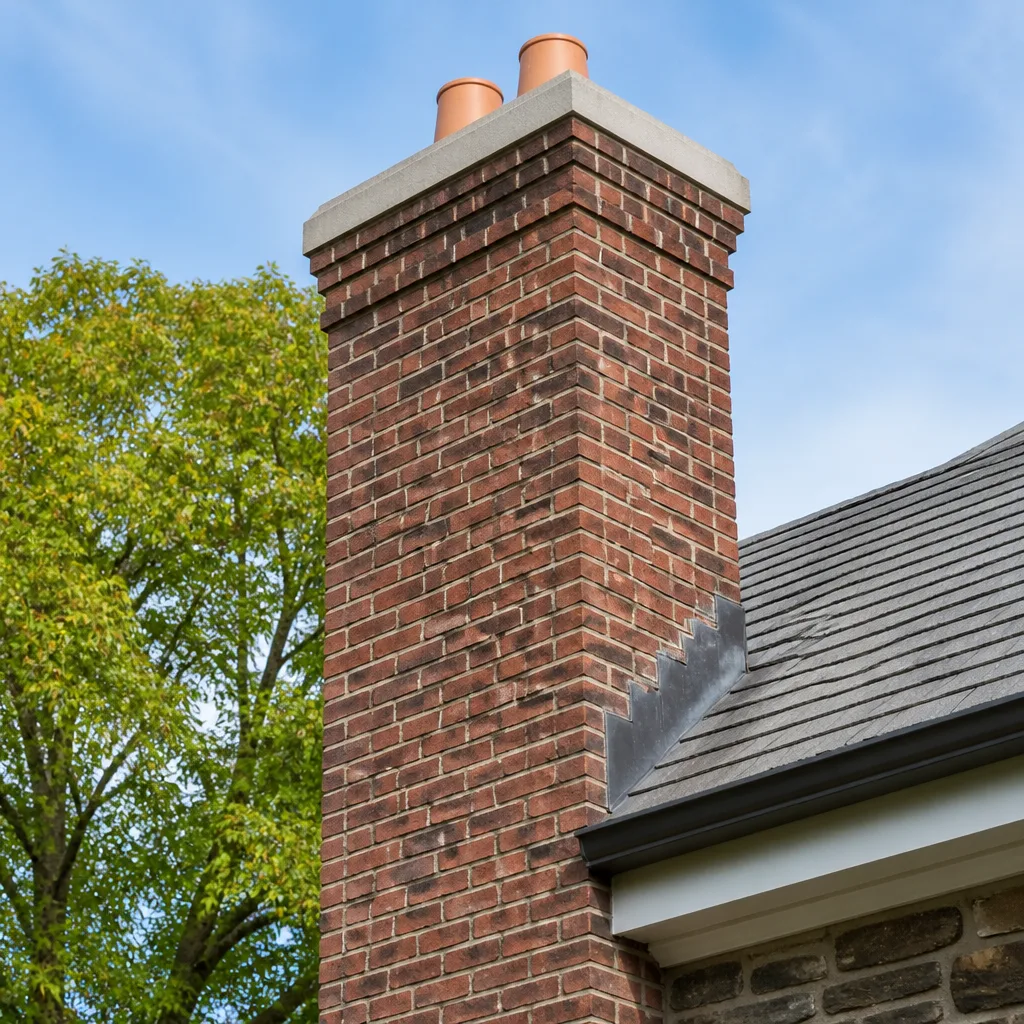 Masonry repair
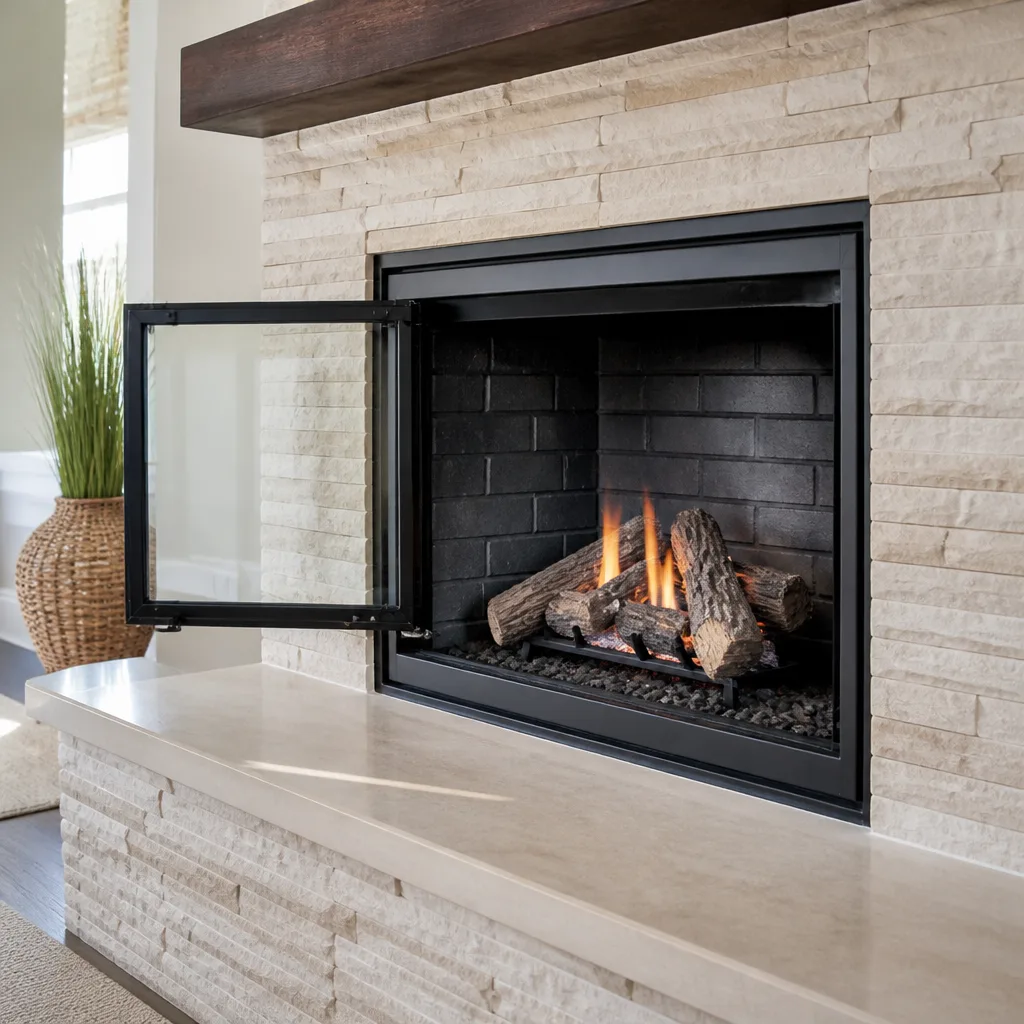 Gas fireplace service
Level 1 sweep and inspection to the NFPA 211 annual standard - flue, crown, cap, and flashing checked and photographed
Chimney sweep logs do not sweep chimneys. They loosen some creosote - which then falls where a brush and vacuum still have to collect it.
Chimney Cleaning Emergency Preparedness Guide for Elmwood Village Homes
A chimney fire doesn’t announce itself the way a kitchen fire does. It often burns quietly inside the flue, sounding like a low roar or a distant train, while the flue surface climbs past 2,000°F. Homeowners who hear that sound and mistake it for a strong, healthy draft are the ones who end up on the phone with 911 half an hour later, watching smoke come through the seams of the chimney. The good news is that chimney emergencies in Elmwood Village aren’t random. They follow patterns tied to deferred maintenance, storm events, and how a fireplace is used. This guide walks through what those patterns look like, how to recognize an active chimney fire, what to do in the first few minutes, and how to build a preparedness framework that keeps a small problem from becoming a dangerous one.
Quick Answer
A chimney fire emergency in Elmwood Village is best handled by closing the damper, getting everyone out of the house, calling 911, and never throwing water into the firebox. Preparedness matters more than reaction: an annual inspection, a properly sized cap and crown, and a written record of your system’s liner type and last inspection date are what turn a potential emergency into a routine repair. Most chimney emergencies we see trace back to conditions that were visible months before the fire.
Styles & brands we work with
- Sweep & inspection
- Caps & crowns
- Flue relining
- Masonry repair
- Gas fireplace service
Table of Contents
- Why Chimney Emergencies Follow Predictable Patterns in Elmwood Village
- How to Recognize an Active Chimney Fire
- What to Do in the First Five Minutes of a Chimney Fire
- Carbon Monoxide Risk Specific to Chimney Systems
- Post-Storm Emergency Protocol for Elmwood Village Homes
- Pre-Season Preparedness Checklist
- What Emergency Documentation to Have Ready
- In-Season Monitoring and When Repair Can Wait
Why Chimney Emergencies Follow Predictable Patterns in Elmwood Village
Most chimney fires don’t come out of nowhere. They build over a heating season, one burn at a time, from creosote accumulation that no one noticed because the fireplace still drew fine. In Elmwood Village, where a high share of homes were built in the early twentieth century, that accumulation sits inside flues that were originally sized for coal or for open wood burning, and they don’t always match today’s appliances. A flue that’s oversized for a modern insert cools flue gases too quickly, which accelerates creosote deposits on the liner walls. The fireplace keeps working. The draft feels strong. The hazard grows.
There are three predictable drivers we see in Elmwood Village homes:
- Deferred maintenance. A chimney that hasn’t been swept in several seasons is the single most common condition behind a chimney fire, because creosote in its glazed form ignites at lower temperatures than most homeowners expect.
- Weather events. The lake-effect snow and ice that comes off Lake Erie each winter works on a masonry chimney the way freeze-thaw works on a driveway. Water gets into hairline cracks in the crown, freezes, expands, and widens them. Repeat that across a winter and a sound crown becomes a failing one.
- Misuse. Burning unseasoned wood, burning cardboard or wrapping paper, or leaving the damper partly closed during a hot fire all push more creosote into the flue than a properly managed fire does. Elmwood Village’s older housing stock has plenty of fireplaces that were designed for steady, moderate burns, not the flash fires a lot of us build out of habit.
The pattern isn’t mysterious. It’s mechanical. And because it’s mechanical, it can be interrupted. That’s what the rest of this guide is about. If you want the short version of the interruption, a Chimney Sweep Elmwood Village covers the creosote side of the equation before the cold sets in.
How to Recognize an Active Chimney Fire
A chimney fire is not always a visible flame shooting out the top. Many are slow-burning and stay inside the flue, which is exactly why they get missed. The indicators fall into three groups: sound, smell, and visible signs.
Sound
- A low, rumbling roar that sounds like a distant freight train or a deep wind gust, growing louder over a few minutes.
- Popping or crackling that comes from inside the chimney rather than the firebox.
- A rushing, whooshing sound that suggests air being pulled hard through the flue.
Smell
- A sharp, hot, almost chemical smoke odor inside the house, distinct from normal fireplace smell.
- A burning-paint or burning-metal smell that can come from hot flue gases reaching the surrounding structure.
Visible Signs
- Dense smoke or sparks coming from the top of the chimney, or flames visible at the cap.
- Creosote flakes or pieces of liner falling into the firebox.
- Discoloration or heat shimmer on the chimney’s exterior masonry.
- Smoke backing into the room even with the damper open and a fire burning cleanly.
Any one of these is enough reason to act. Two together is an emergency. The distinction between “a healthy fire” and “a chimney fire” is that a healthy fire stays contained and quiet; a chimney fire has its own sound, its own smell, and its own momentum. If you aren’t sure which one you’re dealing with, act on the assumption it’s the fire. Nothing about this call is worth waiting on.
What to Do in the First Five Minutes of a Chimney Fire
The correct sequence during an active chimney fire is short and specific. Doing it in the wrong order costs time, can spread fire, or can seriously hurt someone. Here’s the sequence we recommend:
- Get everyone out of the house first. Before anything else, including calling anyone, move every person out of the building to a safe distance from the chimney side.
- Call 911 from outside. Even if the fire seems to have settled, call. Chimney fires can reignite in the flue or move into framing that isn’t visible from inside.
- Close the damper only if you can safely reach it and you’re still inside. Closing the damper limits the oxygen feeding the fire and slows its spread up the flue. If anyone is still in the house, that step comes before evacuating. If you’re already outside, don’t go back in.
- Do not throw water into the firebox or down the flue. Water on a hot flue can shatter clay liner tiles and drive steam and hot gases back into the room. It can also crack a cast-iron damper or a factory-built liner. A chimney fire is put out by starving it of air and by firefighters who understand what happens when you cool a hot flue wrong.
- Don’t close the chimney cap or try to smother the fire from outside. You can’t reach it, and you can’t safely reach it.
- Wait for the fire department, then do nothing else until the chimney is inspected. A fire that looks out is not a fire that’s over. The structure around the flue has to be checked before the fireplace is used again.
The structural reason each step matters: a chimney fire lives on the creosote coating the inside of the flue. Closing the damper chokes the fuel side of the fire triangle. Evacuating first protects the people who can’t be replaced. Skipping the water protects the flue from thermal shock that turns one emergency into two. And the follow-up inspection matters because the fire itself doesn’t usually do the most damage. The damage comes from what it heats up around it, and that isn’t visible without a camera. Our chimney repair work in Elmwood Village often starts with a post-fire inspection for exactly this reason.
Carbon Monoxide Risk Specific to Chimney Systems
Most carbon monoxide conversations focus on furnaces and water heaters. In our experience with Elmwood Village homes, two chimney-specific conditions produce most of the CO events tied to fireplaces, and both are preventable before they happen. The chimney isn’t a CO source itself, but it’s a path. When the flue stops pulling properly, combustion gases have nowhere to go but back into the room.
The two conditions we see most
- A blocked or restricted flue. A bird nest, a fallen cap, a collapsed liner section, or a heavy creosote buildup narrows the flue enough that the fire burns but the exhaust can’t leave. The fire looks normal because it is normal. The problem is where the smoke goes.
- Backdrafting from a depressurized house. Older Elmwood Village homes with tight modern windows and a kitchen or bath exhaust running can pull harder than the chimney does. The chimney becomes an intake instead of an exhaust. A fire in the fireplace plus a running exhaust fan plus a tight house is a combination that produces CO in the living space before anyone notices the smell.
Two alerts to install if you haven’t: a CO alarm on every level of the home, and a smoke alarm in the same room as the fireplace. Neither is a substitute for an inspection, but they buy time. A chimney condition that lets CO back into the house is exactly the kind of thing a camera inspection finds before it becomes a call to 911. It’s also why we treat chimney inspection as a standalone service rather than something we only do as a step toward selling a repair. An inspection that finds nothing is a useful result, not a wasted visit.
Post-Storm Emergency Protocol for Elmwood Village Homes
Western New York winters put real stress on a chimney. Wind strong enough to move a chimney cap, ice that works into hairline cracks in the crown, and freeze-thaw cycles that separate flashing from the roofline all happen in Elmwood Village in the course of a normal season. Before you build the next fire, run through this check. It takes ten minutes and can prevent the emergency the rest of this guide is about.
- Look at the chimney cap from the ground. It should be level, securely attached, and clear of debris. A cap that’s been shifted, dented, or pushed off its mounting is a sign the chimney above the roofline took a hit. If it’s loose or missing, don’t burn until it’s back on.
- Check the crown for cracking. The crown is the concrete surface at the top of the chimney. Any visible crack wider than a hairline is letting water in. Freeze-thaw will widen it over a single winter, and water working into the masonry is a leading cause of the interior damage we repair in Elmwood Village’s older homes.
- Inspect the flashing where the chimney meets the roof. Flashing is the metal seal at the roofline that keeps water from running down the chimney into the attic. Ice and wind are the two things that separate flashing most often. If you can see daylight, gaps, or rust streaks below the flashing, water is getting in.
- Look down the flue with a flashlight. You’re checking for visible blockage – animal nests, fallen masonry, or debris – and for signs of glazed creosote. You’re not opening anything or getting on the roof.
- Check for water stains on the ceiling or chimney breast inside the house. A stain that wasn’t there before the storm is the earliest sign of a failing crown or flashing.
- Confirm the damper opens and closes smoothly. Ice and debris can bind a damper after a storm, and a damper that won’t fully open is a CO risk.
If any of the first three checks fails, don’t burn. That’s the point where a repair call is cheaper than a fire call. Chamney cap & crown work in Elmwood Village is one of the five services we handle for exactly this reason; a chimney cap & crown job done properly in the fall is what keeps the winter emergency out of the picture. We use Gelco covers and related products for cap sizing because getting the venting right matters as much as the seal. An undersized or wrong-style cap changes the draft inside the flue, and that draft is what carries CO up and out of the house.
Pre-Season Preparedness Checklist
The best time to interrupt a chimney emergency is before the first cold night, not after. Use this list in late summer or early fall, before the fireplace becomes part of the daily routine again. In Elmwood Village, running it before the first hard freeze gives you time to schedule any repair work without rushing.
- Schedule a sweep. A professional chimney sweep removes the creosote layer that fuels a chimney fire. If you don’t know the last sweep date, treat this as overdue.
- Book an inspection. The sweep clears the flue. The inspection looks at the whole system – cap, crown, flashing, liner, firebox, damper – and tells you what condition each part is in. It’s the same visit if you schedule them together.
- Confirm the liner type and condition. If your home has a clay tile flue and the tiles are cracked or spalling, gases are moving through the masonry instead of the flue. Gases through masonry is a fire and CO risk at the same time. In some cases, HeatShield ceramic resurfacing restores a sound flue without full relining; in others, a DuraFlex flexible liner is the right call because it can follow the irregular flue paths common in older houses.
- Stock dry, seasoned firewood. Wood with visible moisture, green wood, and softwoods burn cooler and leave more creosote. Split and stacked with airflow does more for creosote buildup than any single product does.
- Test the CO and smoke alarms and confirm there’s one in the same room as the fireplace.
- Learn the fireplace’s normal baseline. Know what the fire sounds and smells like when it’s working right. That’s what lets you recognize the abnormal in the middle of the night.
- Fill out your chimney system record (next section) and post it where you can find it fast.
What Emergency Documentation to Have Ready
When there’s an active chimney fire, the fire department and your insurer will both ask for the same basic information in the first hour. If you have it written down, you save everyone time and you get the right answers in the hands of the people who need them. Fill out this record once, update it after each inspection and repair, and keep a copy where you can reach it from outside the house.
The chimney system record
- Liner type and material. Clay tile, cast-in-place, or a flexible metal system like a DuraFlex liner. Note the installer and the install date.
- Last inspection and sweep dates and the name of the company that performed them.
- Appliance information. The make and model of the fireplace, insert, or wood stove, and the manufacturer’s required clearances if you have them.
- Cap and crown details. Whether the cap is present and what style, and the crown’s condition at last inspection.
- Any prior repairs – HeatShield resurfacing, liner replacement, crown repair, flashing work – with dates.
- Insurance policy number and your agent’s contact line.
- Home details: address, roof pitch if you know it, and access notes for the chimney side of the house.
This isn’t busywork. An inspector who arrives knowing the liner type and last service date can make decisions faster. A firefighter who knows what’s inside the flue knows what they’re dealing with. An insurer who has a service history can process a claim without asking you to reconstruct it later. Ten minutes of paperwork before the season is worth more than an hour of it during an emergency.
In-Season Monitoring and When Repair Can Wait
Once the season is underway, monitoring is a matter of paying attention to the same signals a sweep looks for. You don’t need to get on the roof or open anything. You just need to notice changes.
Two things are signs a fire is building creosote faster than normal: a fire that smokes more than it used to, and a draft that’s weaker than last month. If the fireplace used to light easily and now doesn’t, that’s information. If the fire burns but eats more wood than it did in October, that’s information too. Neither is dangerous on its own. Both are worth a call before they become the condition that produces an emergency.
Some repairs can safely wait until spring. Cracked crown masonry that isn’t yet separated from the flue can be repaired in the warmer months without putting the house at risk during the heating season, provided you don’t burn during heavy rain and you keep an eye on interior water stains. Some repairs can’t wait at all: a loose or missing cap, visible creosote glazing in the upper flue, a separated flashing, a damaged liner, or any sign of CO in the house. If you’re unsure which category your chimney falls into, that’s what the inspection answers, and the answer is only useful if it’s based on what a camera actually shows.
One more note on the in-season side: a fire that starts behaving differently midway through a season is a fire worth stopping and having checked. We’d rather sweep a chimney twice in one winter than repair one after a fire. That’s the whole reason we handle chimney repair and cleaning as one service relationship – because the conditions that cause a chimney fire and the conditions that cause a crown to fail are usually the same visit’s worth of work.
Common Mistakes to Avoid
- Skipping the inspection because the fireplace “works fine.” A fireplace working is not the same as a chimney being safe. Creosote and CO conditions both develop invisibly while the fire behaves normally.
- Burning wet or unseasoned wood because it’s what’s on hand. In Elmwood Village, wood stacked against a north-facing wall without airflow stays wet into winter, and wet wood produces the glazed creosote that ignites at low temperatures.
- Throwing water on a chimney fire. This is the single most damaging thing a homeowner can do during an active fire. It can crack liners and cast iron and spread steam and hot gas into the room.
- Assuming the storm damage is only roofing. Wind and ice hit the chimney’s cap, crown, and flashing before they show up inside the house. A chimney that looks sound from the street can have a cracked crown or a loose cap that only a close look finds.
- Treating an inspection as a sales pitch. A good inspection reports what it finds, including “nothing wrong.” If you can’t see the camera evidence yourself, you shouldn’t be buying a liner.
- Leaving the damper partly closed to “save heat.” A restricted damper keeps more heat in the house but pushes more creosote onto the flue walls. It’s a common habit and a common cause of the buildup that makes chimney fires possible.
- Not knowing where the paperwork is. The liner type, last inspection date, and appliance details are the first things the fire department and insurer ask for. If they’re buried, they’re useless.
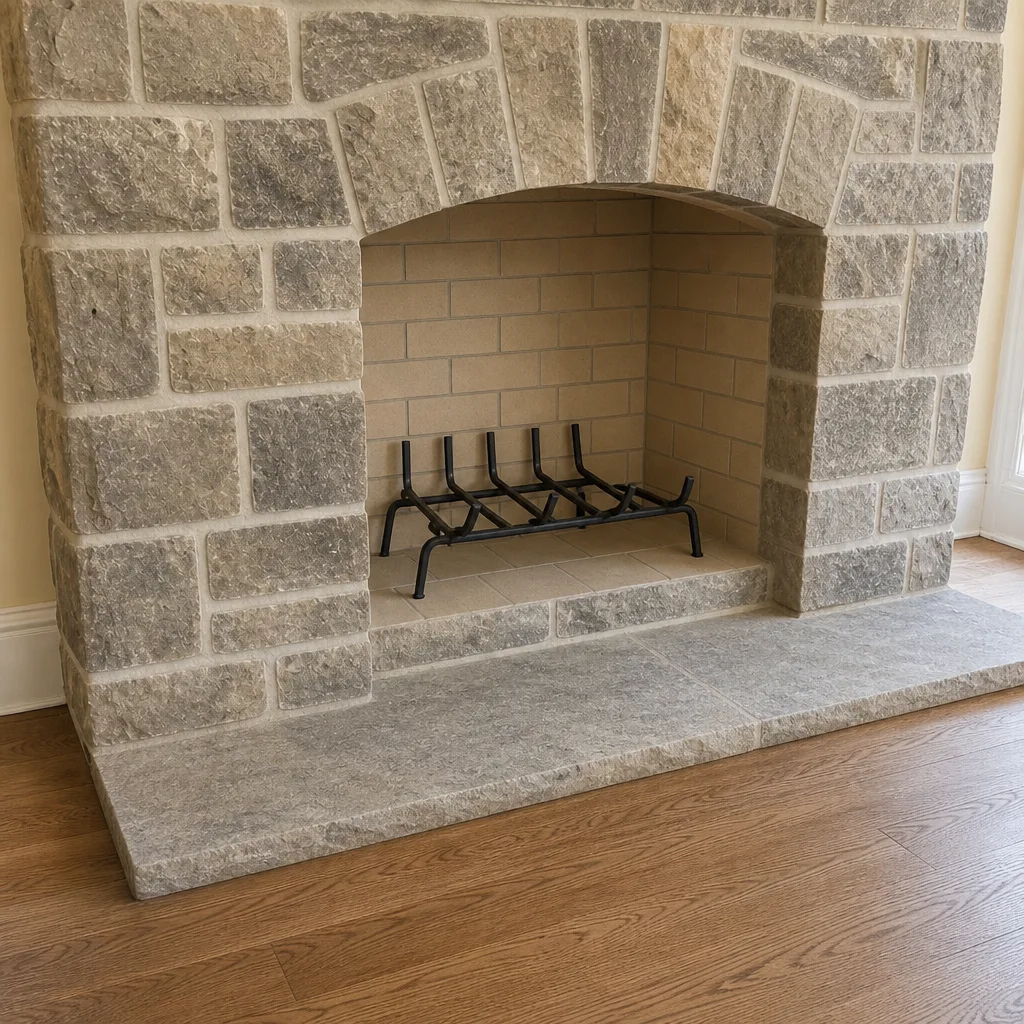
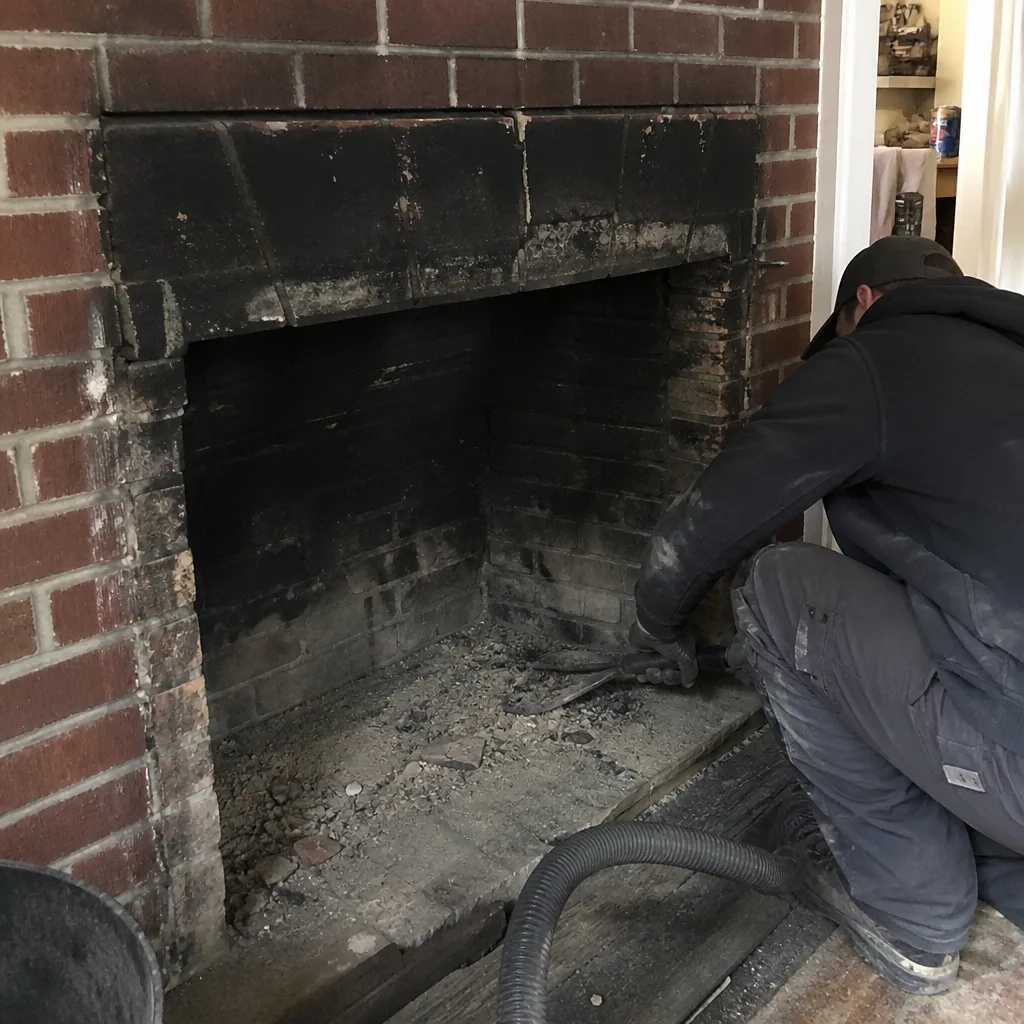
See the difference
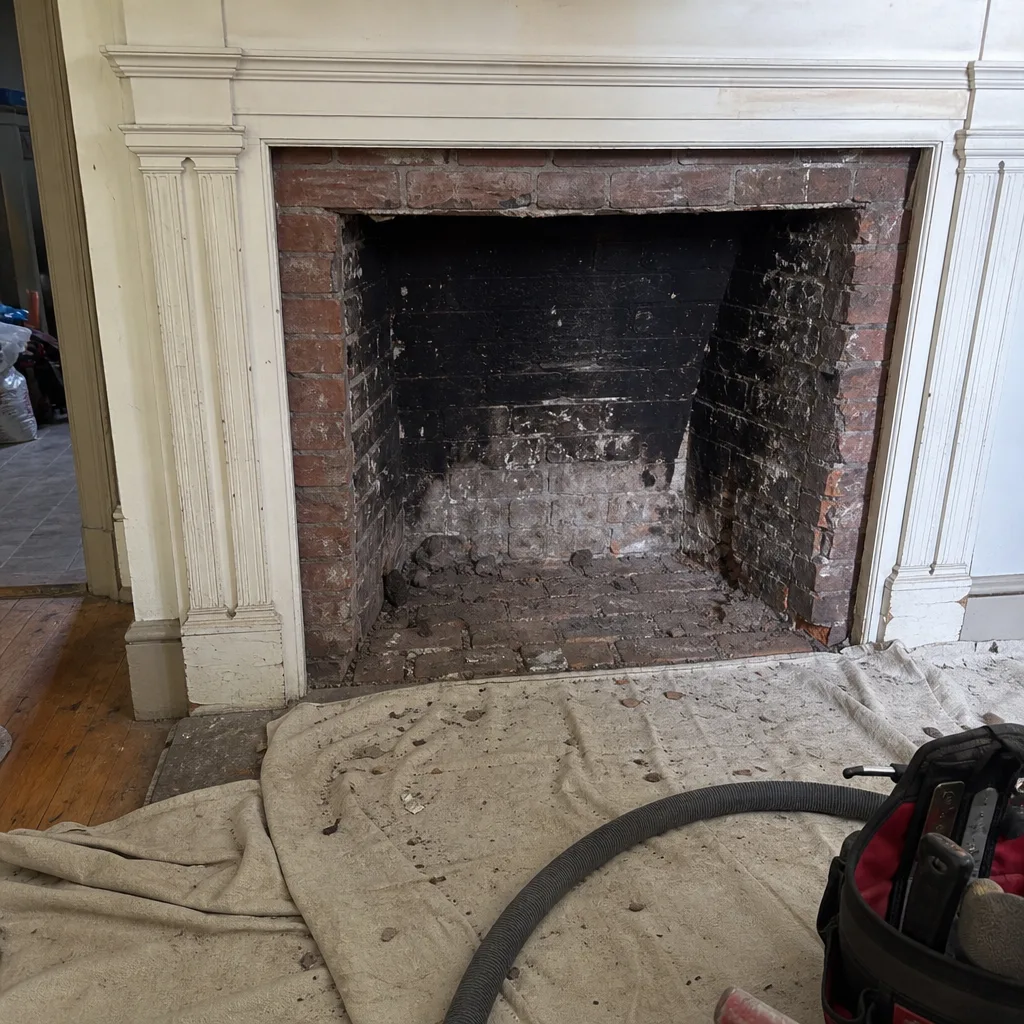 Before
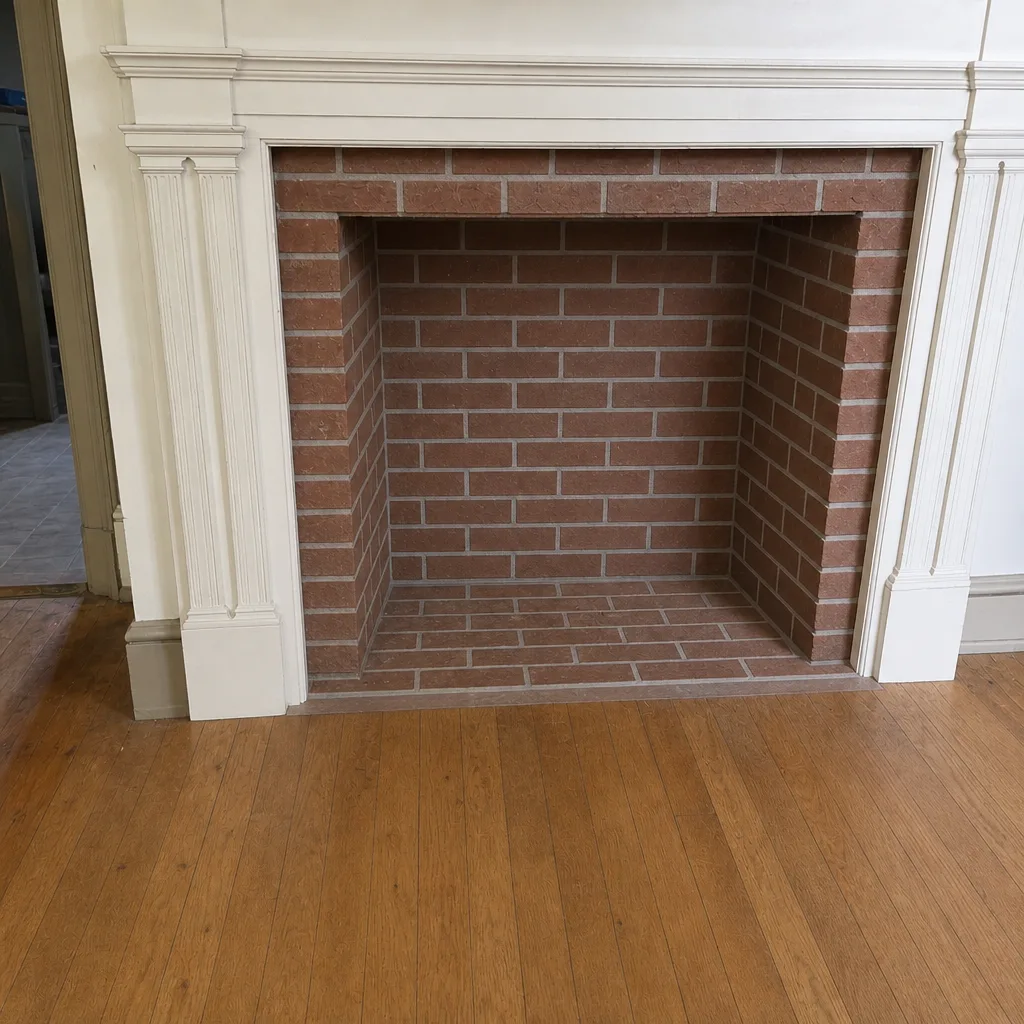 After
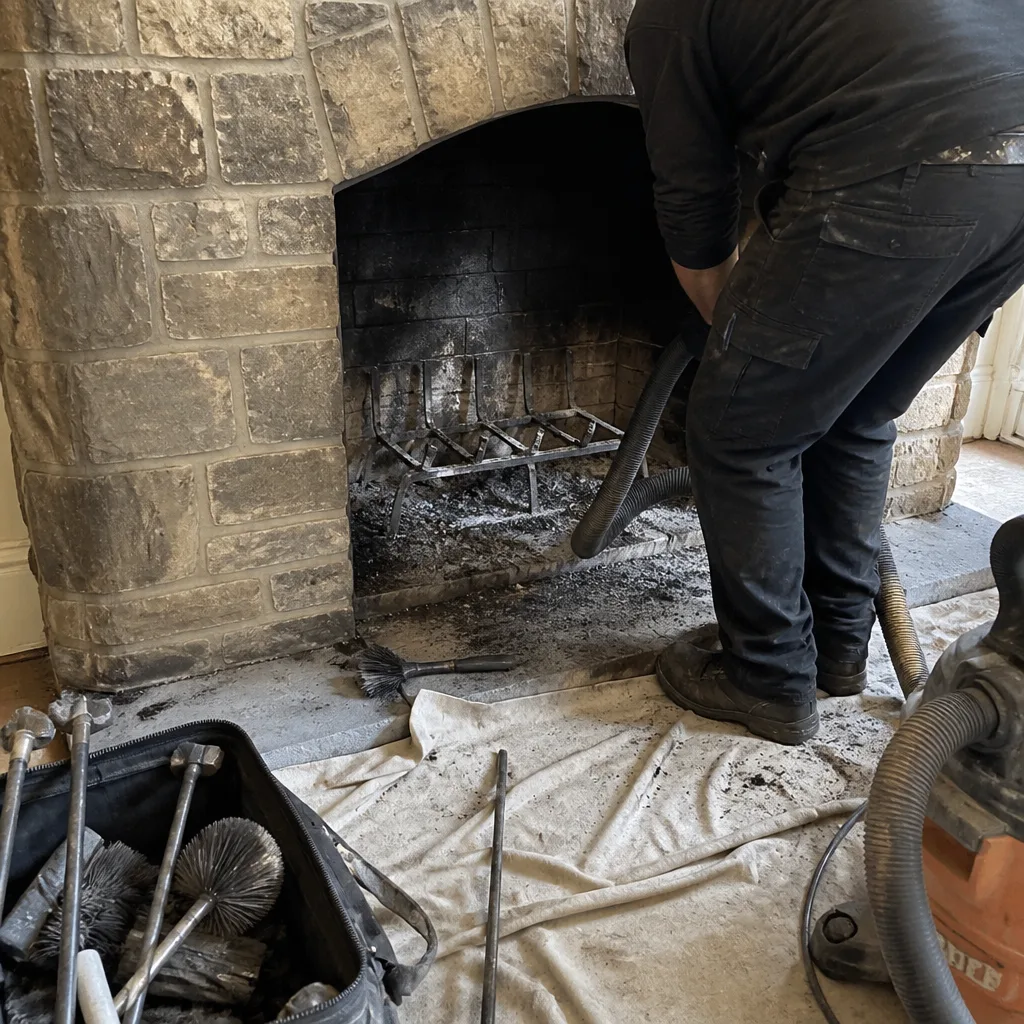 Before
 After
 Before
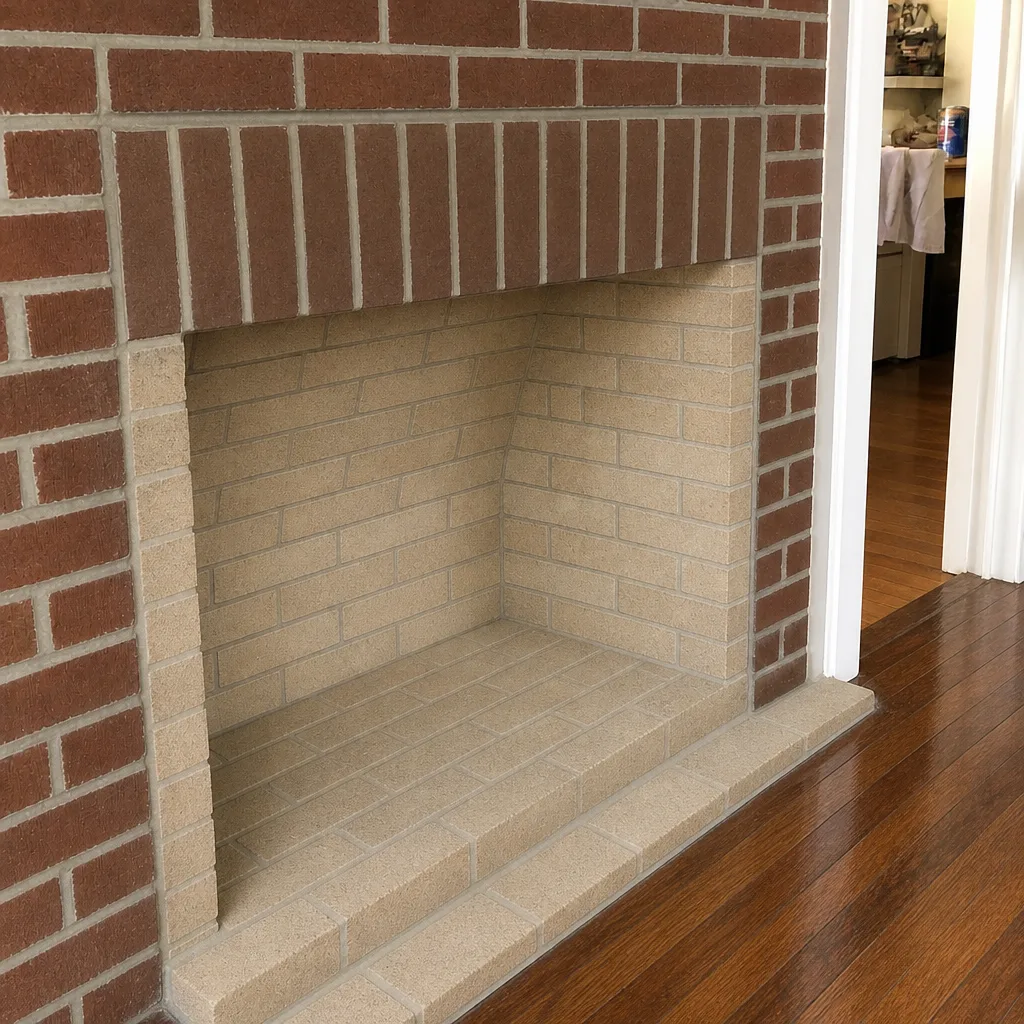 After
When to Call a Professional
Call us today if any of the following is true: you’ve had a chimney fire, even one that seemed to go out on its own; you smell smoke in the room with the damper open; your CO alarm has gone off with the fireplace running; the cap is loose, missing, or noticeably damaged; you can see cracks in the crown or gaps in the flashing; your fireplace is burning differently than it did last season; or you don’t know the last time the chimney was swept. Our technicians have up to 14 years of experience and can carry inspection, sweeping, and repair work through in a single visit rather than handing you off. Chimney Sweep Elmwood Village offers free estimates in Elmwood Village. Call (877) 792-5738. We answer 24/7. Fast dispatch from 7am to 7pm, Sunday through Friday.
Frequently Asked Questions
A chimney fire has its own sound, smell, and visible signature: a low rumbling roar like a distant train, a sharp hot smoke smell inside the house, and often sparks or dense smoke at the top of the chimney. A strong draft alone doesn’t produce those. If you’re unsure, treat it as a fire, evacuate, and call 911. Call (877) 792-5738 for the inspection that follows an event like this – estimates are free.
Get everyone out of the house first, then call 911 from outside. If you’re still inside and can safely reach the damper, close it to cut the fire’s air supply, but don’t go back into the house for anything. Never throw water on the fire – it can crack liners and spread hot steam into the room. Call (877) 792-5738 once the fire department has cleared the scene to schedule the follow-up inspection.
The two most common causes are a restricted or blocked flue and backdrafting from a depressurized house. In Elmwood Village’s older homes, tight modern windows and running exhaust fans can pull harder than the chimney, turning it into an intake. A CO alarm on every level plus a camera inspection before the season is the practical defense. Call (877) 792-5738 to schedule the inspection – estimates are free.
Check the cap from the ground, look for cracks in the crown, and look at the flashing where the chimney meets the roof. Then look down the flue with a flashlight for visible blockage and check inside the house for new water stains on the ceiling or chimney breast. If any of those checks fails, don’t burn until it’s been looked at. Call (877) 792-5738 for a free estimate on the repair.
They’ll ask for the liner type and material, the last inspection and sweep dates, the appliance make and model, any prior repairs with dates, and the cap and crown condition at last inspection. Having that on a single sheet of paper before anything happens saves the most time. A properly sized cap and sound crown, in our experience, is what stops most of these calls from being necessary in the first place. Call (877) 792-5738 for the inspection that builds that record.
Cracked crown masonry that hasn’t yet separated from the flue can typically wait for warmer weather if you’re careful about heavy rain. A loose or missing cap, glazed creosote, separated flashing, or a damaged liner can’t wait – those are the conditions that lead to a chimney fire or CO event. If you’re not sure which category yours is in, an inspection settles it with camera evidence you can see. Call (877) 792-5738 for a free estimate. We answer 24/7. A call outside dispatch hours is booked into the next opening, Sunday through Friday, 7am to 7pm.
The Bottom Line
Chimney emergencies in Elmwood Village are not accidents. They’re the predictable result of creosote buildup, freeze-thaw damage to caps and crowns, and flue conditions that a fire hides until it can’t. The preparedness framework is simple: a sweep and inspection before the season, a post-storm check of the cap, crown, and flashing, a CO alarm on every level, a written record of your system’s liner type and last inspection, and the sequence of evacuation first, 911 second, damper third, and never water. None of it is complicated. All of it has to happen before the night something goes wrong. We’re here to make that happen before the emergency, not after.
Call (877) 792-5738 for a free estimate on sweeping, inspection, cap and crown work, or repair. We answer 24/7. Fast dispatch from 7am to 7pm, Sunday through Friday. Closed Saturday.
Written by the team at Chimney Sweep Elmwood Village.