
Last updated November 25, 2026
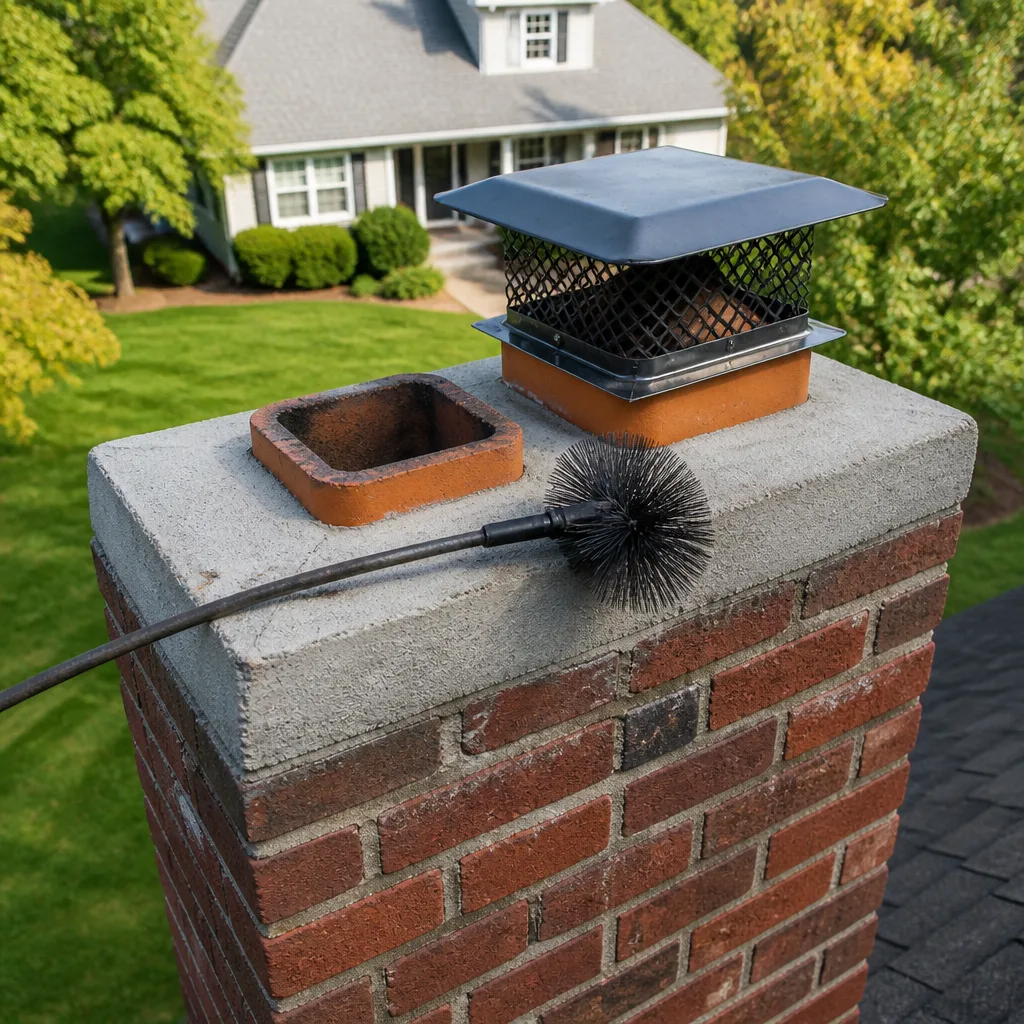 Sweep & inspection
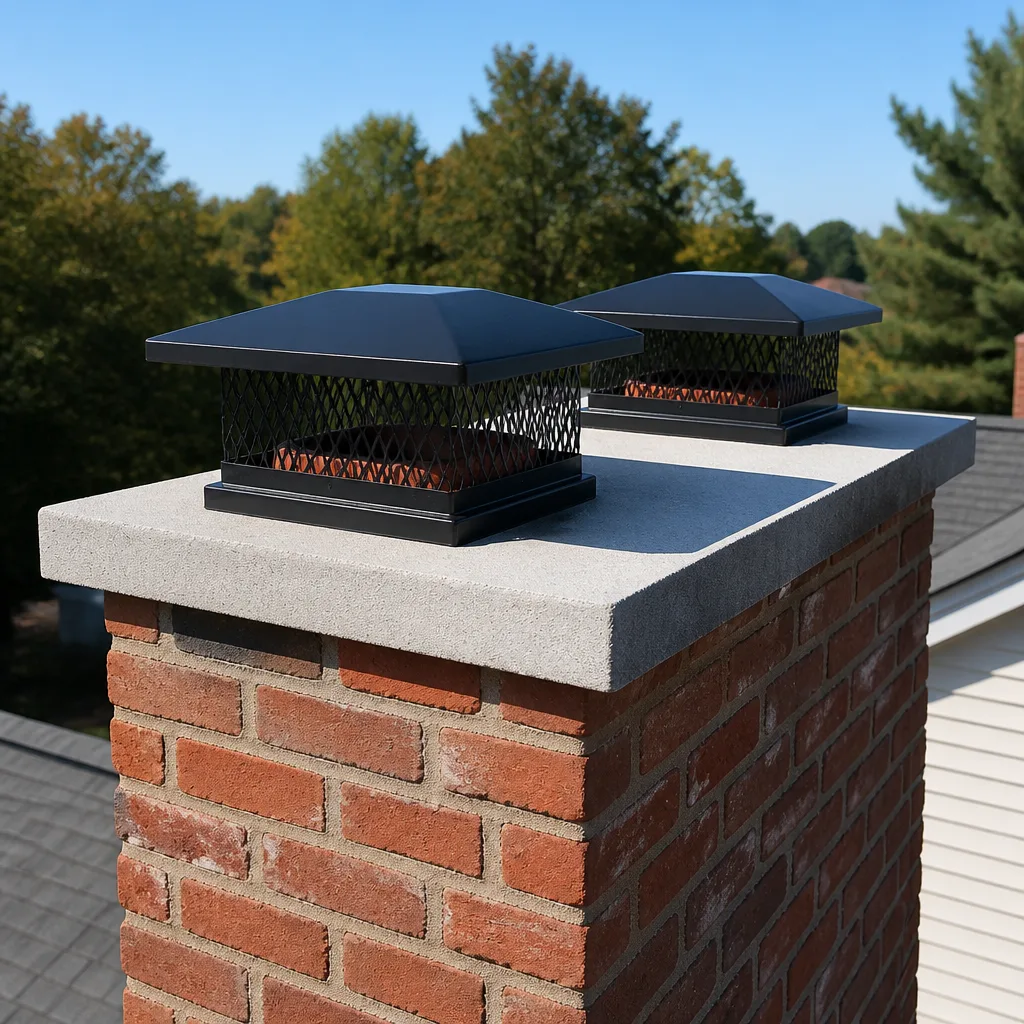 Caps & crowns
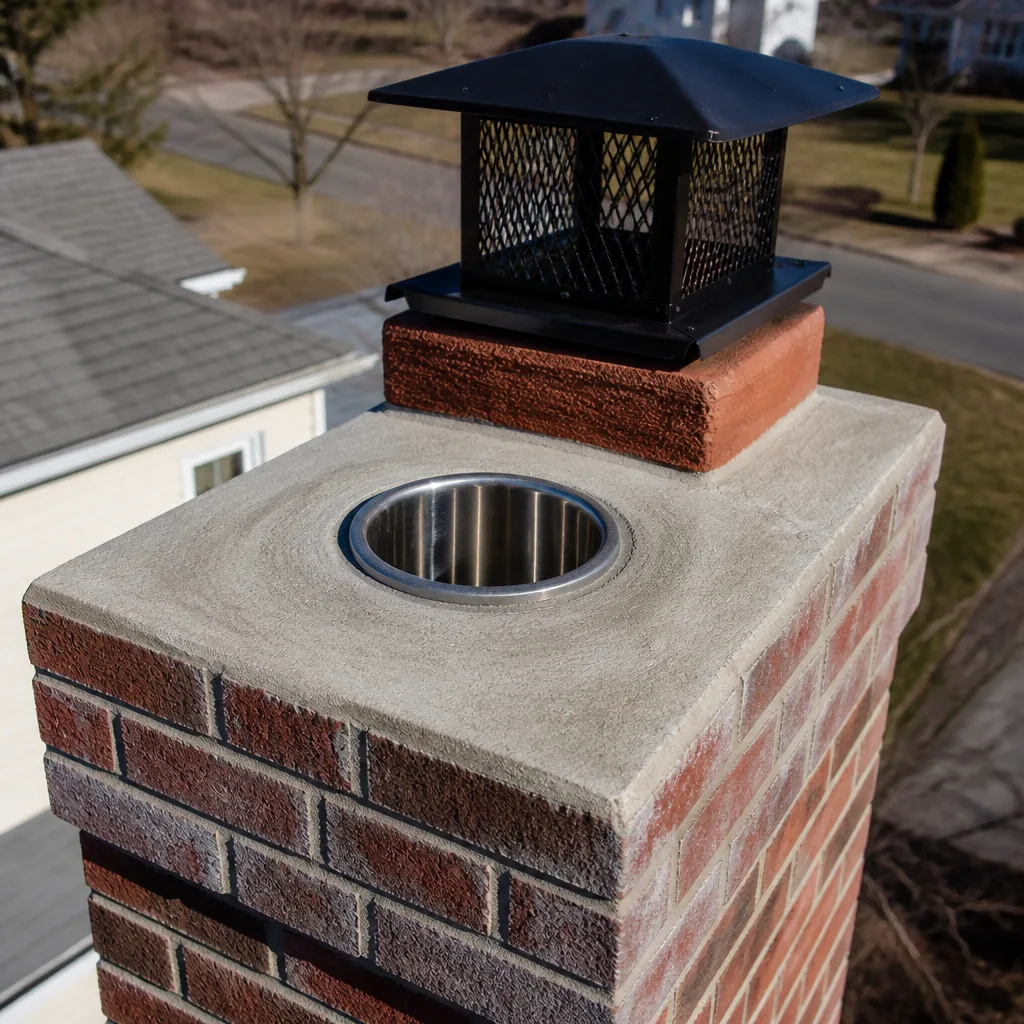 Flue relining
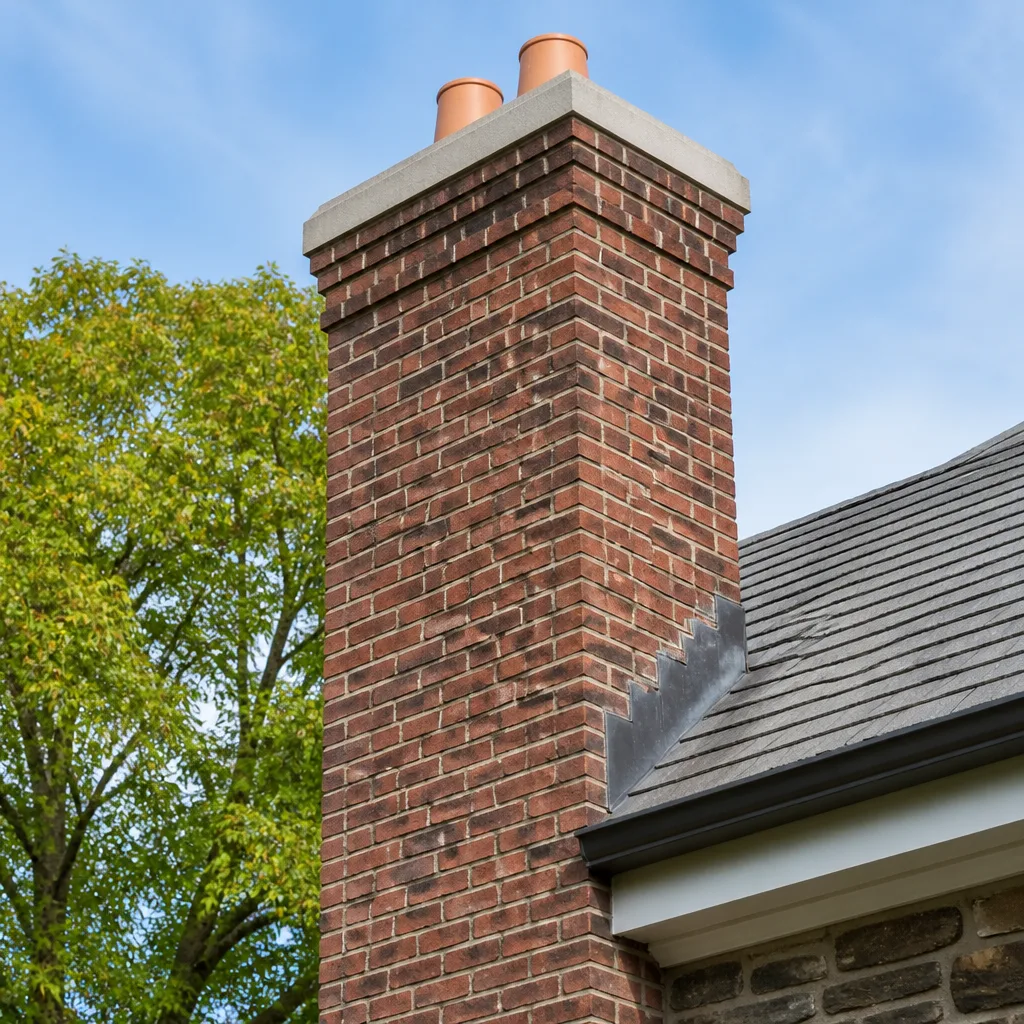 Masonry repair
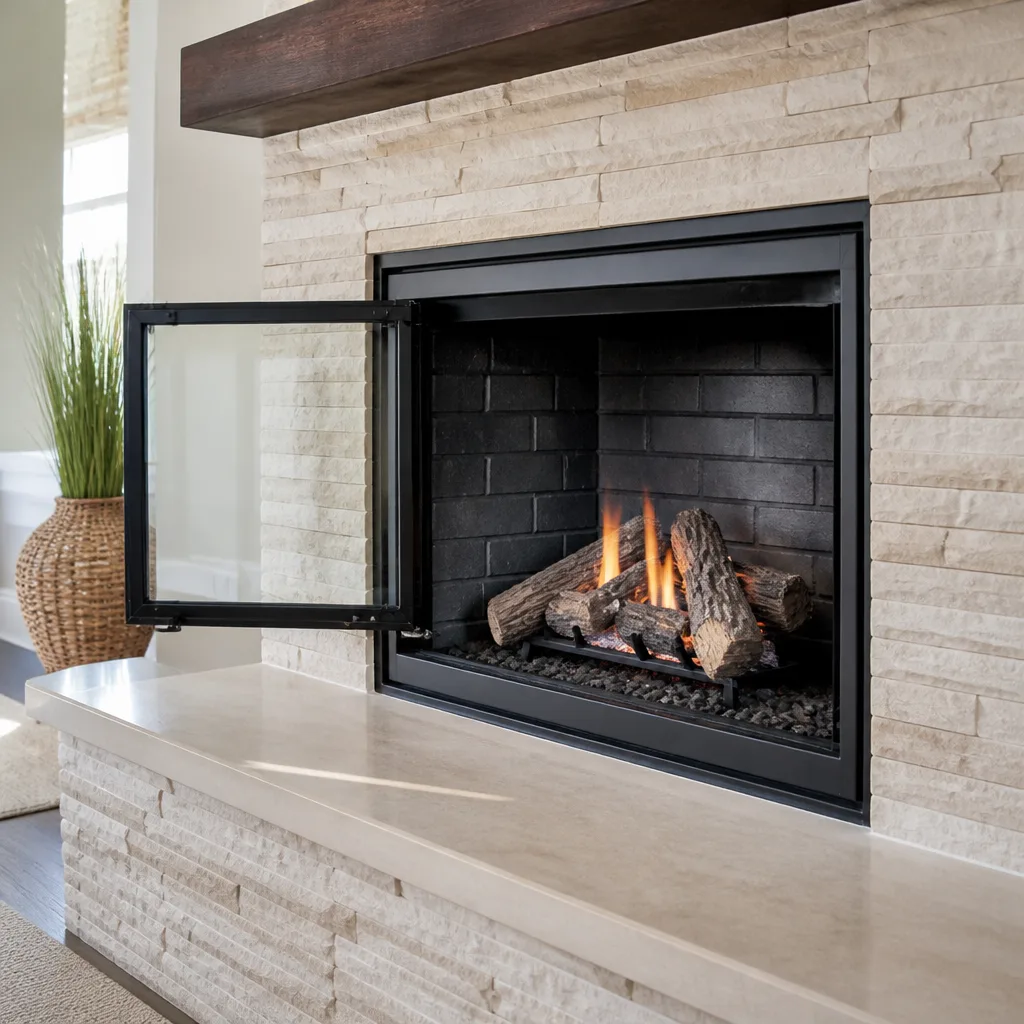 Gas fireplace service
Level 1 sweep and inspection to the NFPA 211 annual standard - flue, crown, cap, and flashing checked and photographed
Chimney sweep logs do not sweep chimneys. They loosen some creosote - which then falls where a brush and vacuum still have to collect it.
Seasonal Chimney Cleaning Care for Elmwood Village: Year-Round Homeowner’s Guide
The mortar joint damage that causes most Elmwood Village chimney failures starts in March, not January. By the time winter ends, a flue has taken months of sustained heat, and the freeze-thaw cycling that follows the burn season works into every small crack in the crown and brick. Water gets in, freezes, expands, and opens the joint a little wider each cycle. An annual fall sweep won’t catch that damage because it hasn’t happened yet. This guide maps chimney care to Elmwood Village’s actual climate calendar: what to check after winter, why July odor is a draft problem and not a cleaning problem, the pre-season protocol before your first fire, and the winter warning signs that mean stop using the fireplace.
If you’d rather talk it through first, Chimney Sweep Elmwood Village is what we do.
Quick Answer
Chimney care in Elmwood Village should be scheduled by season, not once a year: inspect for freeze-thaw damage in spring, diagnose odor and moisture problems in summer, clean and prep in fall based on how much you burned, and monitor draft and smoke behavior through winter. An annual appointment in the same month each year misses the specific damage each Western New York season causes. Call (877) 792-5738 for a free estimate. We answer 24/7. Fast dispatch from 7am to 7pm, Sunday through Friday.
Styles & brands we work with
- Sweep & inspection
- Caps & crowns
- Flue relining
- Masonry repair
- Gas fireplace service
Table of Contents
- Why Elmwood Village Chimneys Age Faster Than Generic Guides Suggest
- Spring: Inspecting What Winter Left Behind
- Summer: Odor, Draft, and Moisture Diagnostics
- Fall: The Pre-Season Protocol
- Winter: In-Season Monitoring
- The Elmwood Village Chimney Calendar at a Glance
- Common Mistakes to Avoid
- When to Call a Professional
- Frequently Asked Questions
Why Elmwood Village Chimneys Age Faster Than Generic Guides Suggest
Buffalo-area snowfall and the frequency of freeze-thaw cycling run above the national average, and that changes how often a chimney here needs attention. Generic guidance assumes one hard winter and a mild shoulder season. Elmwood Village gets repeated cycles of freeze, thaw, and refreeze through late fall and early spring, sometimes within the same week. Each cycle moves water into masonry pores, freezes it, and pushes the material apart. A brick that would last decades in a stable climate can spall in a fraction of that time here.
The housing stock matters too. The older homes along the Elmwood Village side streets and near the parks were built with flue configurations that don’t run straight. Offsets, bends, and irregular paths are common, which makes proper cleaning and relining a different job than it is in newer construction. We use DuraFlex flexible liner systems for exactly this reason: a rigid liner can’t follow the path an older Elwood Village flue takes, and a flexible system can.
Three local conditions drive the calendar:
- Freeze-thaw frequency. Repeated cycles after the burn season cause the crown and mortar damage that shows up months later as a leak or a loose brick.
- Snow load and ice. Snow sitting on a crown keeps masonry saturated, and ice expanding in a hairline crack widens it.
- Long, heavy burn seasons. Homeowners who heat with a fireplace or wood stove burn more cords than the national average, which shortens the interval between cleanings.
The practical result: a schedule built for a mild climate under-serves an Elmwood Village chimney. You need to look at the right component in the right season, not just once a year.
Spring: Inspecting What Winter Left Behind
Spring is when the structural damage from winter becomes visible, and it’s the most important inspection of the year in Elmwood Village. The burn season is over, the freeze-thaw cycle is still active, and any weakness the flue developed under months of heat now gets tested by water and ice. Three specific things need checking.
Spalling brick patterns. Spalling is when the face of a brick flakes off, usually because moisture got inside and froze. Look for brick faces on the chimney’s exterior that are peeling, pitted, or leaving debris on the roof. Spalling that clusters near the top of the stack points to a crown or cap problem letting water in from above.
Crown crack propagation. The crown is the concrete cap at the very top of the chimney, sloped to shed water away from the flue. Hairline cracks that were cosmetic in October widen through winter as ice expands inside them. A crown that’s cracked lets water run down into the masonry and the flue. This is where most serious chimney water damage begins, and catching it in spring is far less disruptive than repairing masonry in fall.
Flue tile joint separation. The clay tiles lining the flue are joined with mortar. Heat expansion in winter and cooling in spring can separate those joints. A separated joint lets combustion gases and moisture escape into the surrounding masonry instead of up and out. You can’t see this from the ground; it needs a camera inspection of the flue interior.
- Schedule the spring inspection after the last fire of the season but before summer.
- Have the exterior checked for spalling brick and crown cracks.
- Have the flue interior checked by camera for tile joint separation.
- Get a written report with photos so you can see what the inspector sees.
Spring is also a good time to book chimney cap & crown work, because repairing a crown before summer storms and before next winter’s freeze is the cheapest point in the year to do it.
Summer: Odor, Draft, and Moisture Diagnostics
Chimney odor in July is usually a draft and moisture problem, not a cleaning problem, and sweeping it won’t fix it. That surprises a lot of Elmwood Village homeowners, who assume a smell means the flue is dirty. Here’s what’s actually happening: warm, humid summer air is heavier than the cooler air sitting in the flue. That inverted pressure stops the chimney from drawing upward the way it does in winter. The flue stagnates, moisture condenses on the masonry and creosote residue, and the combination produces the sour, smoky smell that drifts into the house on still summer days.
Diagnosing it correctly matters because the fix is different depending on the cause:
- Draft reversal from temperature inversion. The flue isn’t drawing. This is a pressure and air-path issue, often improved by a properly sized cap and venting.
- Moisture intrusion. Water is getting in through a missing or undersized cap, a cracked crown, or failed flashing. The flue stays damp and smells. This is a repair issue, not a cleaning issue.
- Genuine creosote buildup. Sometimes the flue really is dirty after a heavy burn season. A spring or early-summer cleaning addresses it, but only if the inspection confirms buildup.
We check all three before recommending anything. If the creosote load is light and the smell is coming from moisture, a sweep won’t help and we’ll tell you so. Cap sizing is where this often gets fixed: a cap that’s too small or missing lets rain in and lets the flue breathe poorly. We fit Gelco and Famco components because correct cap sizing and venting are what actually solve summer odor and draft performance, and those brands give us the range to size the cap to the flue rather than approximate it.
An inspection offered as a standalone service matters here. You should be able to get a diagnosis without it being a funnel into a relining job you may not need.
Fall: The Pre-Season Protocol
Fall prep in Elmwood Village isn’t a fixed checklist run the same way every year. It’s a set of decisions that depend on how much you actually burned last season and what the spring inspection found. Here’s the protocol we work through.
Cleaning threshold based on cord burn volume. The old rule of “sweep once a year” doesn’t account for how hard you burn. A homeowner who lights a fire most nights from October to March accumulates creosote far faster than someone who burns a dozen fires a season. We determine the cleaning threshold from your actual burn volume and the condition of the flue, not from the calendar alone. If you burned heavily, the flue may need cleaning more than once; if you burned lightly and the spring cleaning was thorough, sweeping again in fall may be unnecessary. The camera tells us which.
Damper gasket check. A worn damper gasket lets air leak past a closed damper, which wastes heat up the flue and undermines your control over the burn. We check the seal as part of the fall service.
Cap and screen inspection before the first fire. A cap keeps rain, snow, birds, and debris out of the flue. A screen keeps sparks in and animals out. Both take a beating over a Buffalo winter. An animal nest or a torn screen blocking the flue before the first fire is a draft and carbon monoxide problem.
- Confirm the last spring inspection report and any open repairs.
- Determine cleaning need from burn volume and flue condition.
- Check the damper gasket and seal.
- Inspect the cap, screen, and crown for damage before the first fire.
- Book any chimney repair now, so it’s done before the season starts rather than mid-winter.
Fall is also when we see the most crown and cap work booked, because a homeowner facing a winter of burning wants the top of the chimney sealed before snow load and ice begin working at it again. From inspection to repair, we handle that in one relationship.
Winter: In-Season Monitoring
Winter is when you use the fireplace hardest and when warning signs matter most. In Elmwood Village, a mid-winter problem usually shows up as smoke or draft trouble, and knowing the difference between a nuisance and a reason to stop burning is the point of this section.
Smoke rollout. Smoke spilling into the room when you open the damper or door can mean a partial blockage, a closed or damaged damper, or a cold flue that needs priming. If smoke rolls out consistently rather than just at startup on a very cold morning, stop using the fireplace until it’s diagnosed.
Draft reversal causes. Draft reversal is when the chimney pulls air down instead of pushing combustion gases up. Common causes in winter are a flue that’s too cold to establish draft, negative pressure in the house from exhaust fans or other appliances, and blockage from a nest or creosote. A reversed or weak draft pushes carbon monoxide into the living space instead of out, which makes it a safety issue, not an inconvenience.
When to stop using the fireplace mid-season. Stop burning and call for service if you see any of the following:
- Smoke consistently spilling into the room.
- A sudden, persistent smell of smoke in the house with no fire lit.
- Creosote or debris falling into the firebox.
- Visible damage to the flue or firebox discovered mid-season.
- A carbon monoxide alarm sounding.
A carbon monoxide alarm is a call-the-fire-department-then-call-us event. We can work with your insurer on any damage assessment, but the alarm comes first. We answer 24/7. Fast dispatch from 7am to 7pm, Sunday through Friday, so a call outside dispatch hours is booked into the next opening.
The Elmwood Village Chimney Calendar at a Glance
Here’s how the four seasons map to the five service categories we cover, so you can see which work belongs where.
- Spring (after burn season, before summer): full inspection with camera; check for spalling brick, crown cracks, and flue tile joint separation; book crown and cap repairs. This is the structural inspection of the year.
- Summer: diagnose odor and moisture issues; check cap sizing and venting; clean only if the inspection confirms real creosote buildup; address water intrusion. This is the diagnostic season.
- Fall (before first fire): set the cleaning threshold from your burn volume; check damper gasket; inspect cap and screen; complete any pending repair so it’s done before the season. This is the preparation season.
- Winter (in-season): monitor smoke rollout and draft reversal; know the stop-burning signs; keep the carbon monoxide alarm working. This is the monitoring season.
Notice that inspection shows up in multiple seasons but with a different focus each time. A spring inspection is about structure after winter. A summer inspection is about draft and moisture. A fall inspection is about readiness. The chimney sweep itself only happens when the flue needs it, which is why tying it to a fixed annual date under-serves the chimney and can over-sweep it too.
We inspect, we clean, we repair, we cap, and we reline. If a spring inspection finds a crown crack and you want it sealed before summer, that’s the same relationship that handled the sweep. No handoffs to another contractor.
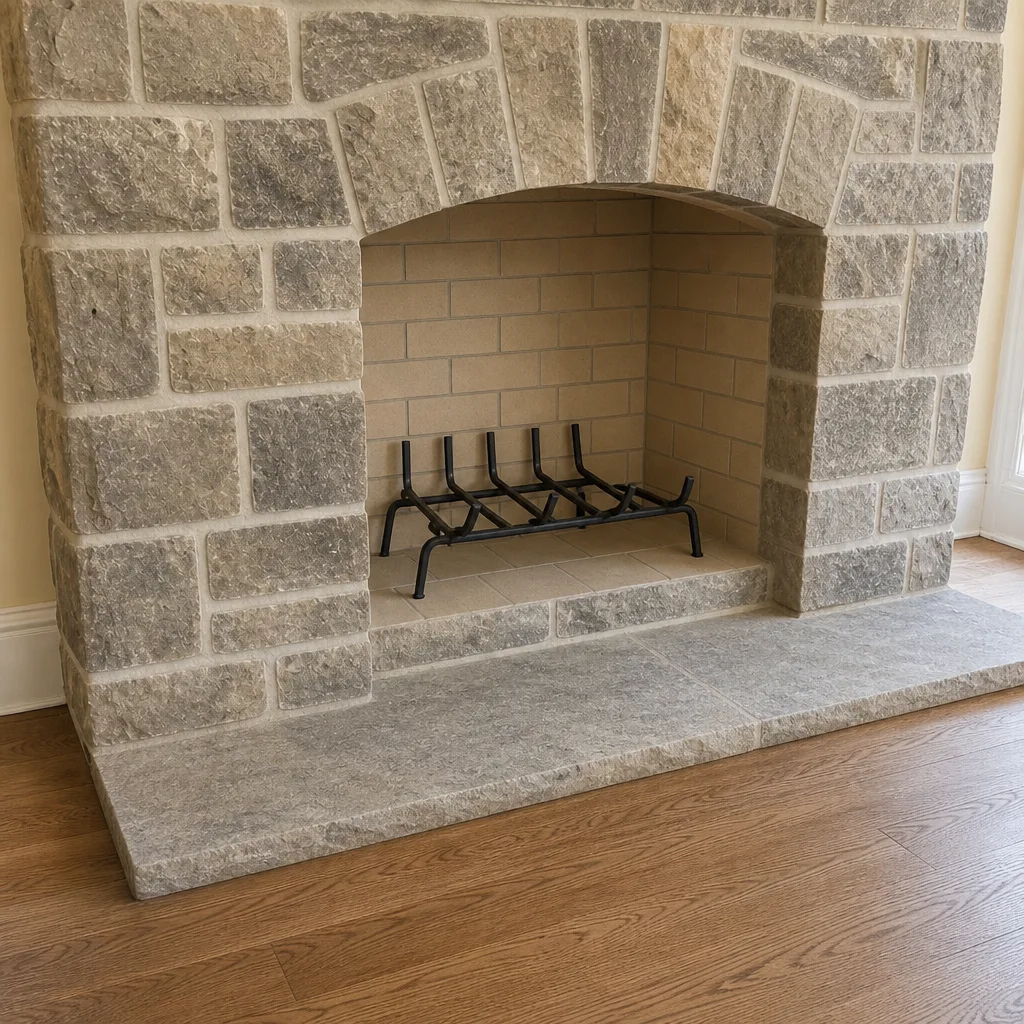
See the difference
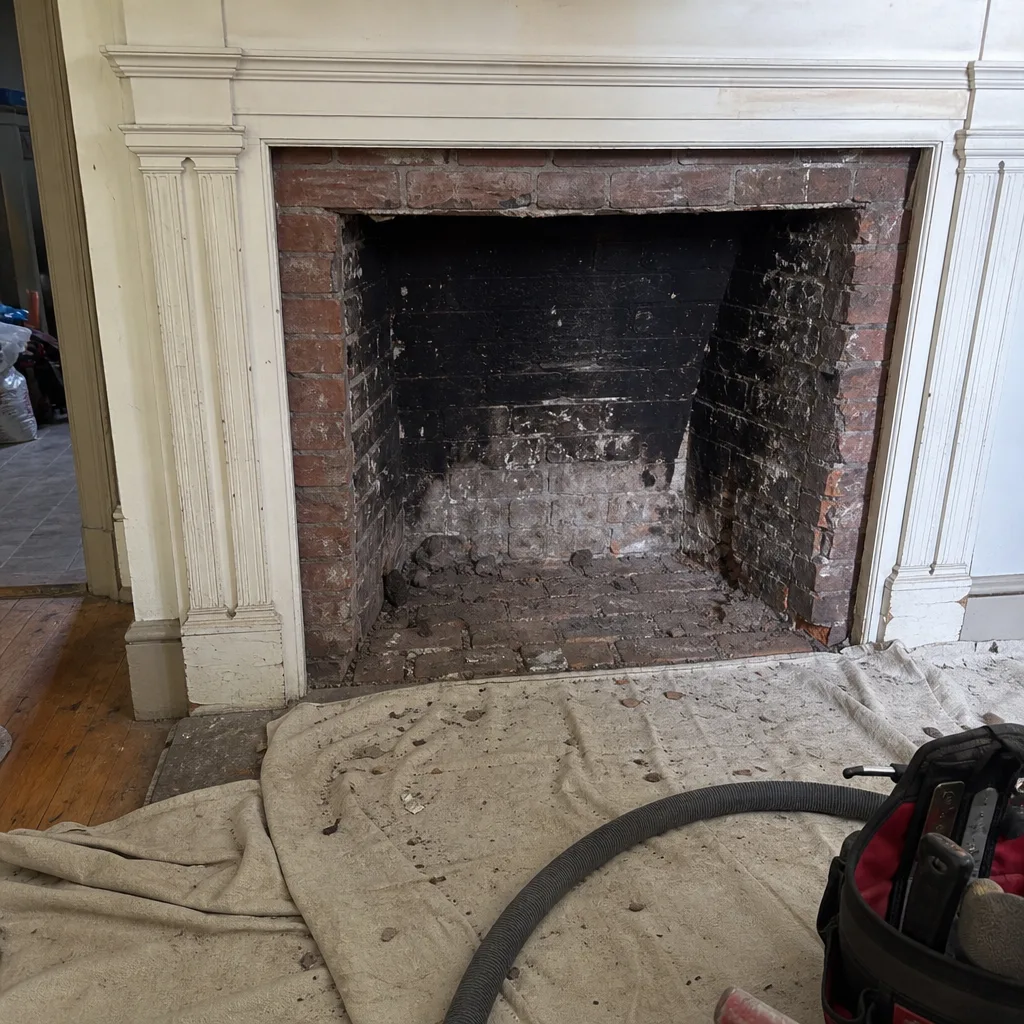 Before
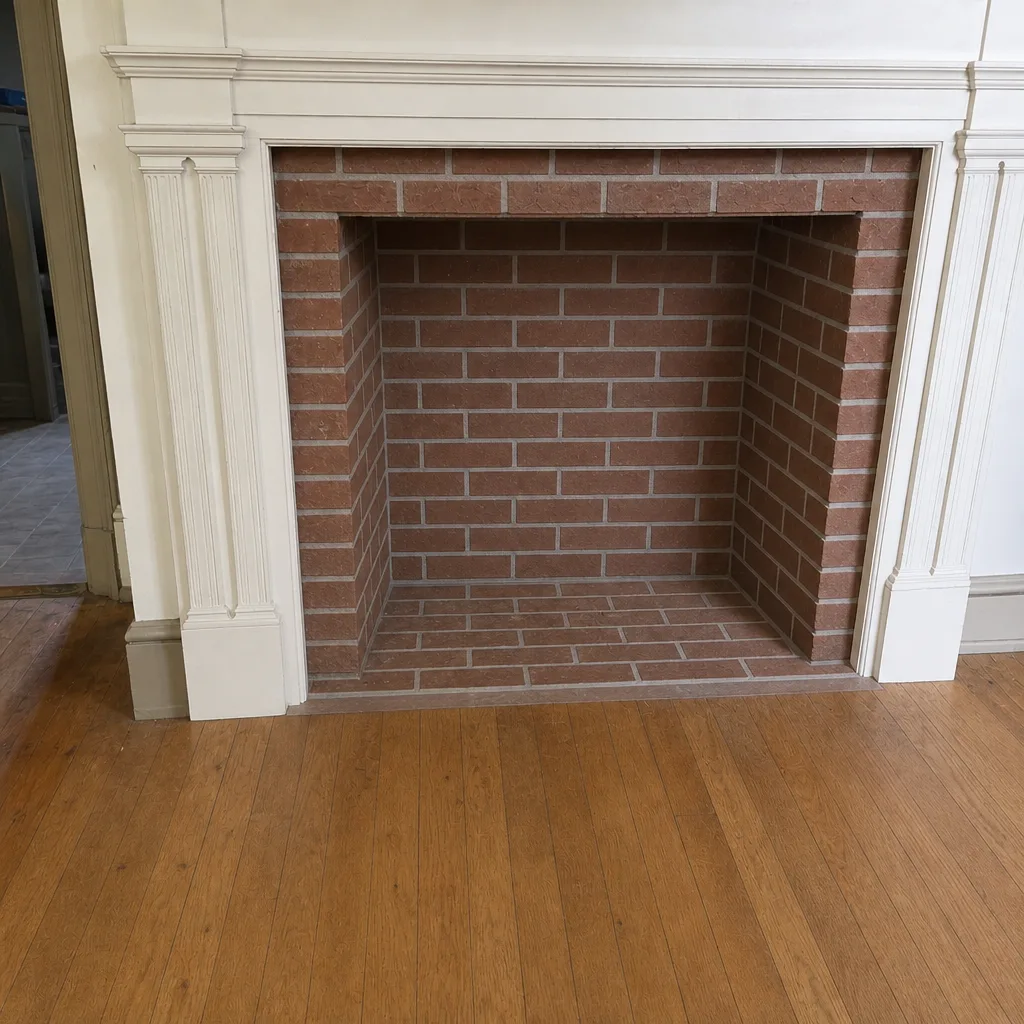 After
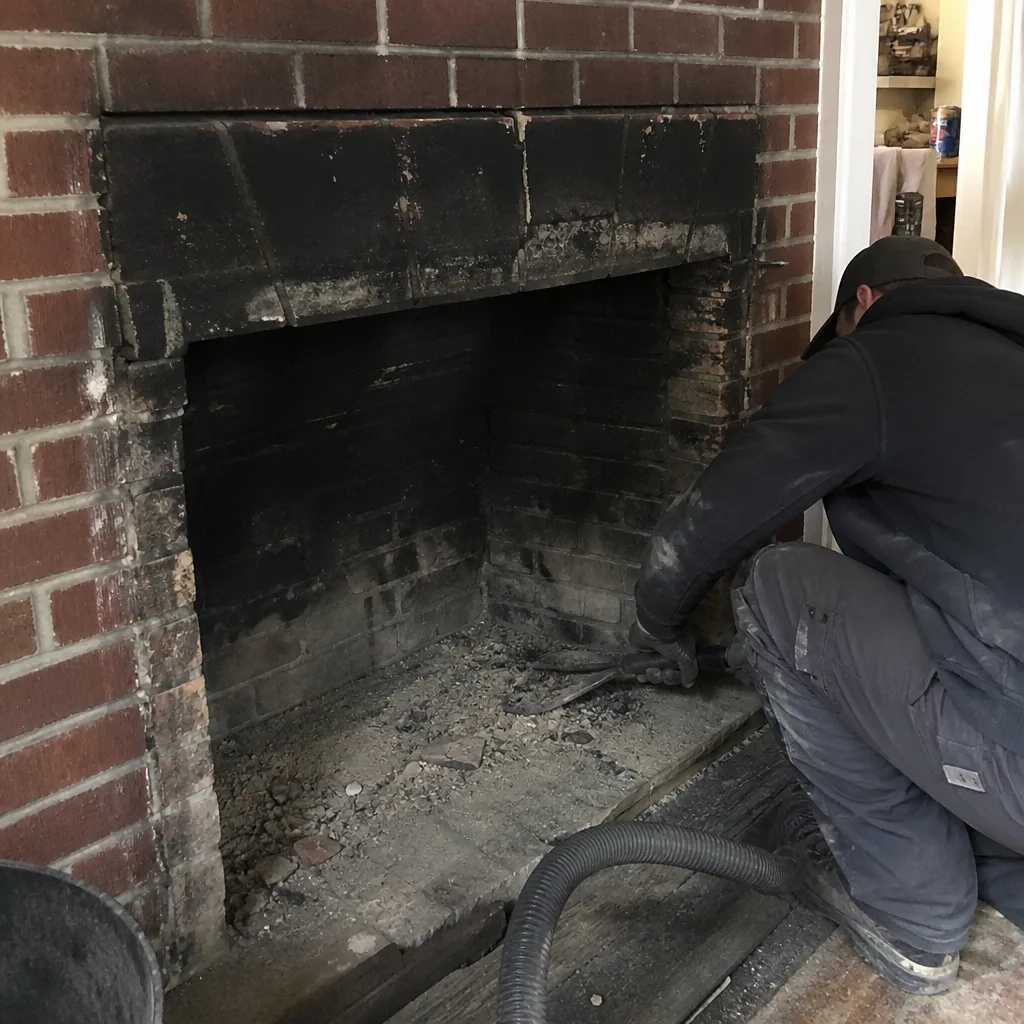
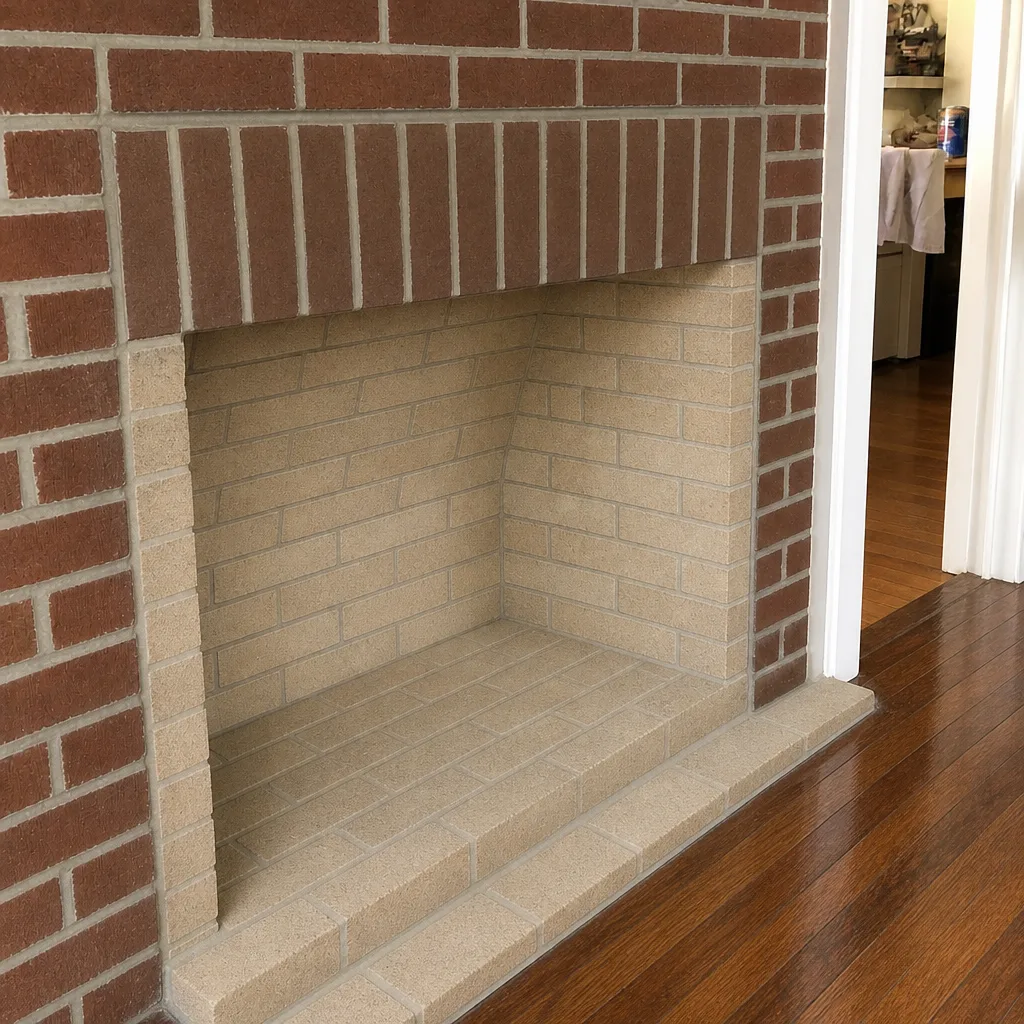
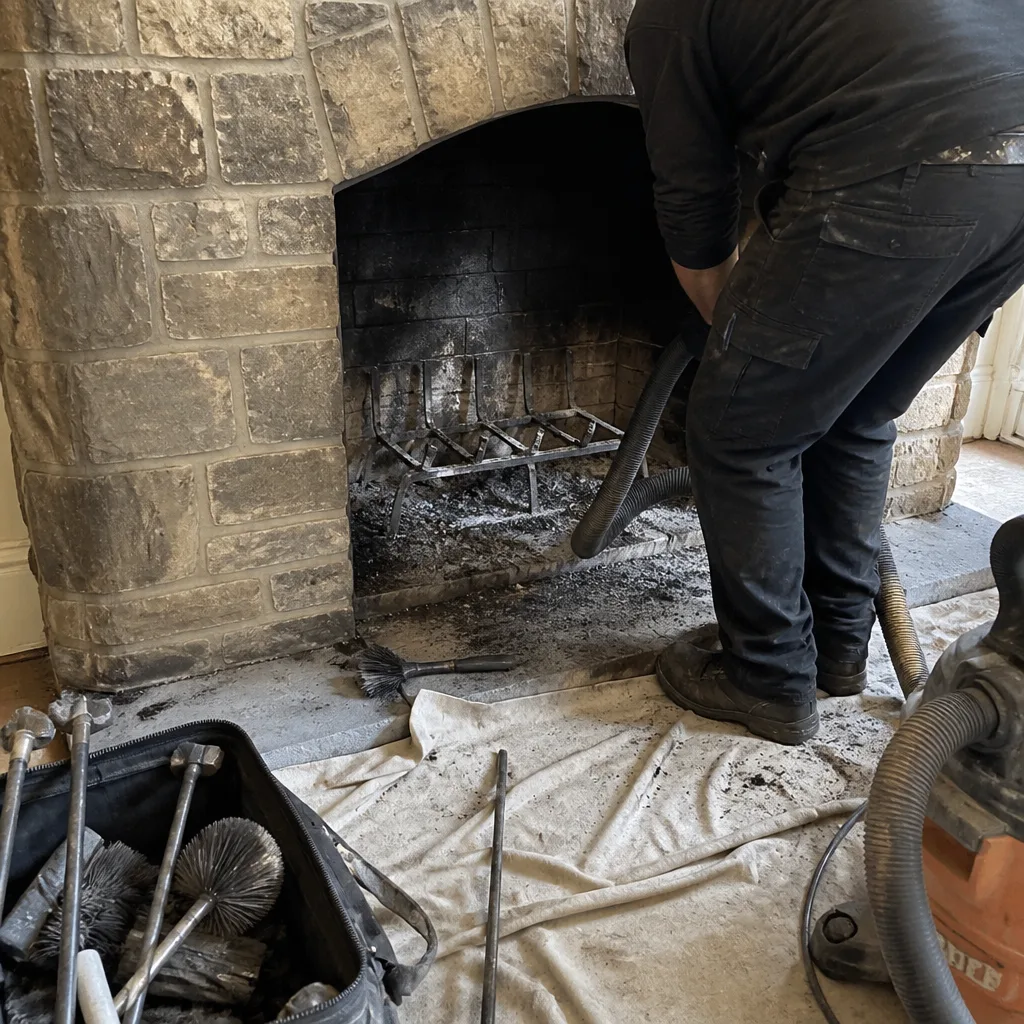 Before
 After
 Before
 After
Common Mistakes to Avoid
- Sweeping on a fixed annual date regardless of burn volume. Elmwood Village homeowners who burn heavily need more frequent cleaning and those who burn lightly may need less. Tying the sweep to the calendar instead of the flue’s condition either under-serves the chimney or wastes a service.
- Treating summer odor as a cleaning problem. A smoky smell in July is usually a draft or moisture issue, and a sweep won’t fix it. Diagnose the cause before booking a cleaning.
- Ignoring the crown until it leaks. The crown is the most overlooked failure point on an Elmwood Village chimney. A small crack in spring becomes saturated masonry by the time you notice a stain inside.
- Assuming a cap is optional. A missing or undersized cap lets rain, snow, and animals into the flue and drives both summer odor and winter draft problems. Proper Gelco and Famco cap sizing is what solves it.
- Burning through smoke rollout or draft reversal. Smoke in the room and a struggling draft are reasons to stop and have the flue checked, not to open a window and continue.
- Skipping the spring inspection because the fireplace works fine. Freeze-thaw damage happens after you stop using the fireplace, and the flue can look fine from the hearth while the masonry is deteriorating behind it.
- Relining with a rigid liner in an older flue. Many Elmwood Village flues have off-sets and irregular paths where a rigid system can’t fit. A flexible DuraFlex system makes proper relining possible where rigid can’t go, and getting that choice wrong leads to a poor fit or a job that gets abandoned partway.
When to Call a Professional
Some chimney work is safe to check yourself and some isn’t. Call a professional when you see smoke spilling into the room, when a carbon monoxide alarm sounds, when you find creosote or debris falling into the firebox, when brick is spalling on the exterior, or when you notice a stain or smell of moisture inside the house near the chimney. Call after your last fire of the season for the spring inspection, and before your first fire for the fall prep. Do not attempt to inspect or repair the flue interior or the crown yourself: the height, the carbon monoxide risk, and the structural work all require training. Chimney Sweep Elmwood Village offers free estimates in Elmwood Village. Call (877) 792-5738. We answer 24/7. Fast dispatch from 7am to 7pm, Sunday through Friday.
Frequently Asked Questions
It depends on how much you burn, not a fixed calendar date. A heavy burner, with fires most nights through the season, generally needs cleaning more often than a light burner, and the flue’s condition confirms it. We set the interval from your burn volume and a camera inspection, and we can tell you when a sweep isn’t needed.
Summer odor is usually a draft and moisture problem, not a dirty flue. Warm, humid air sits in the flue and stops it drawing, moisture condenses on the masonry, and the result smells smoky or sour. We diagnose the cause, often cap sizing or water intrusion, before recommending a sweep.
Yes. A cap keeps rain, snow, birds, and debris out of the flue and helps it draw correctly. A missing or undersized cap drives both summer moisture problems and winter draft issues. We fit Gelco and Famco caps because correct sizing is what makes the difference.
It depends on the crack and how far it has propagated. Some crowns can be sealed and resurfaced with HeatShield, and some need replacement. A spring inspection catches the crack before ice widens it, which is when repair is most effective.
Freeze-thaw damage goes unnoticed through summer and shows up as a leak, a draft problem, or loose masonry in fall. Catching it in spring means a smaller repair, and catching it in fall may mean masonry work. It’s the difference between a crown repair and a larger structural fix.
Stop and call when smoke consistently rolls into the room, when you smell smoke with no fire lit, when creosote or debris falls into the firebox, or when a carbon monoxide alarm sounds. A CO alarm means call the fire department first. Call (877) 792-5738 for the chimney after that. We answer 24/7. Fast dispatch from 7am to 7pm, Sunday through Friday.
The Bottom Line
Elmwood Village’s climate runs every chimney through four distinct stress phases a year, and the damage that matters most starts after the burn season, in the freeze-thaw cycling of spring. Inspect for spalling brick and crown cracks in spring, diagnose summer odor as a draft and moisture problem before sweeping, set the fall cleaning threshold from actual burn volume, and monitor draft and smoke behavior through winter. An annual-only schedule misses all of that. Our technicians have up to 14 years of experience with the full chimney system, from inspection and cleaning to crown work, fireplace repair, and relining using DuraFlex, HeatShield, Gelco, Famco, Olympia Chimney, and Copperfield materials. Call (877) 792-5738 for a free estimate. We answer 24/7. Fast dispatch from 7am to 7pm, Sunday through Friday.
Written by the team at Chimney Sweep Elmwood Village.