
Last updated November 25, 2026
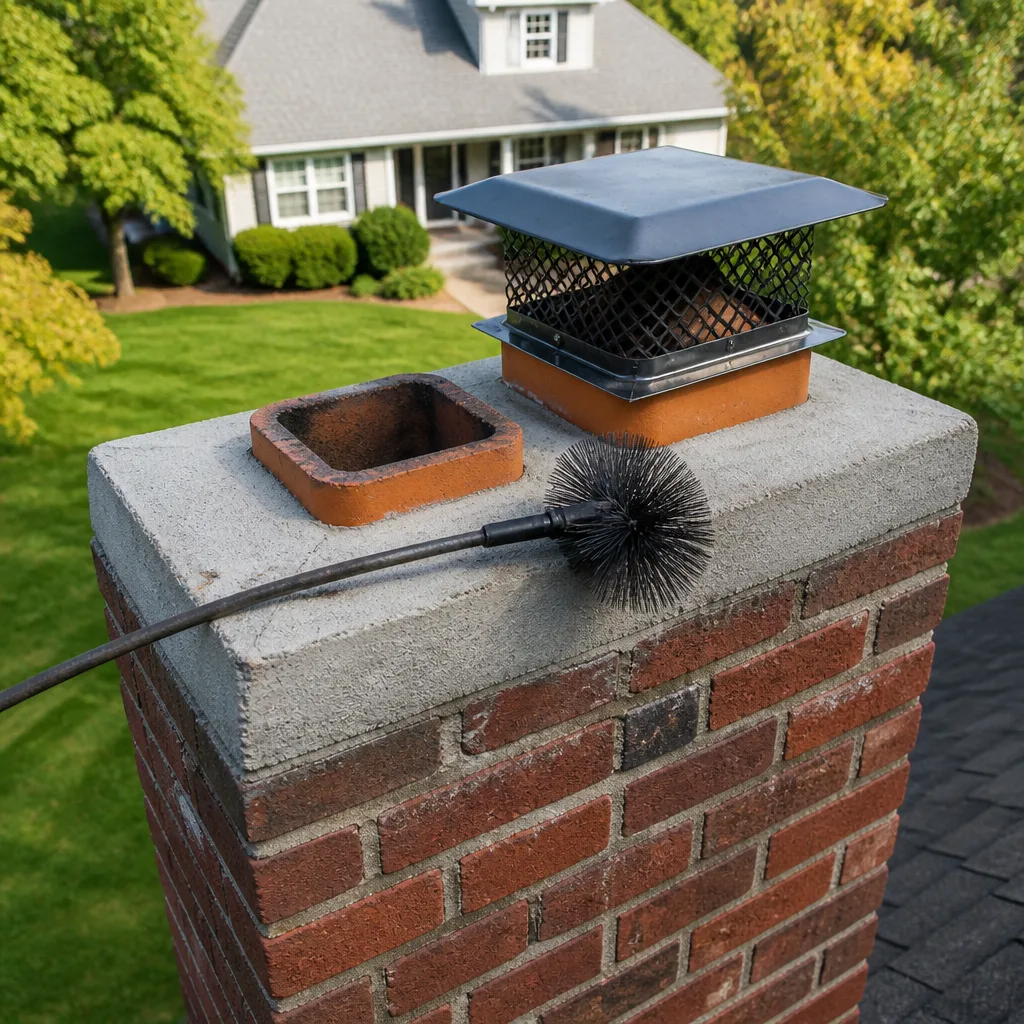 Sweep & inspection
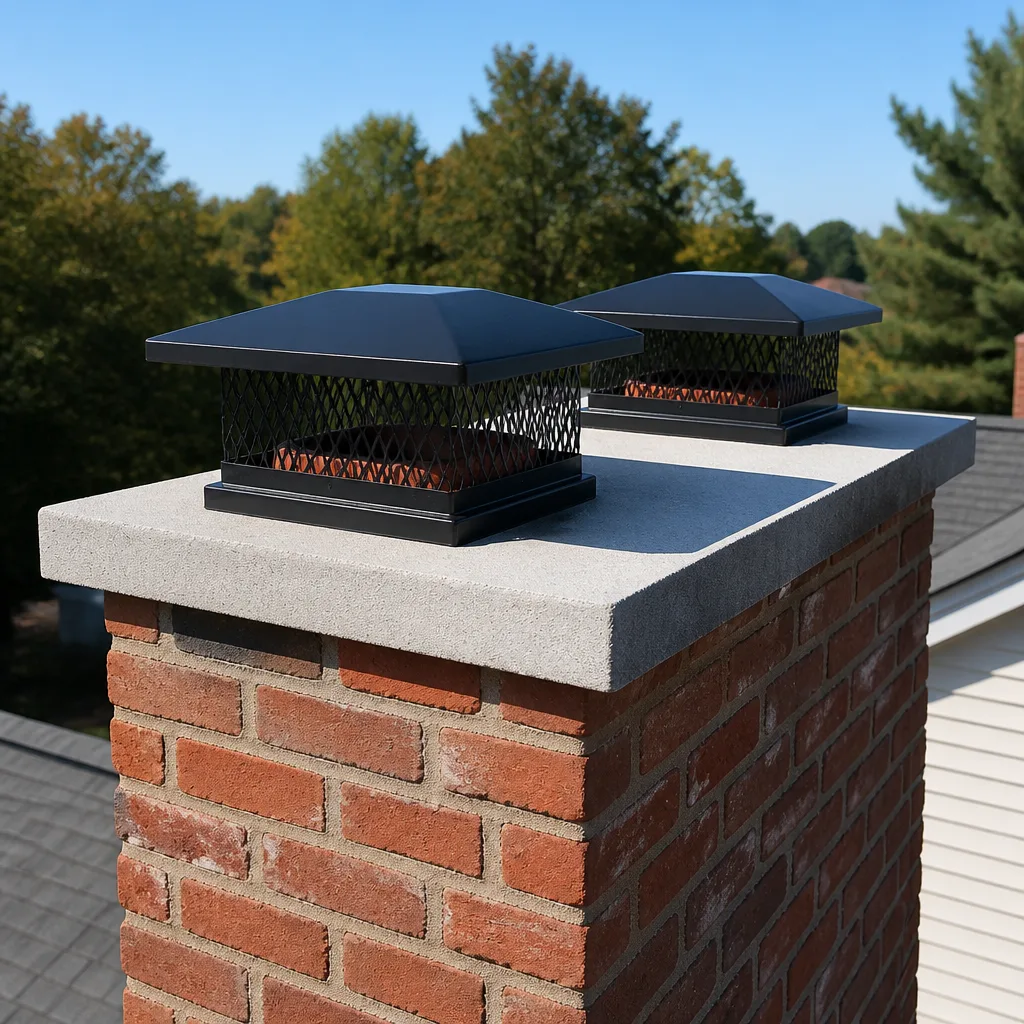 Caps & crowns
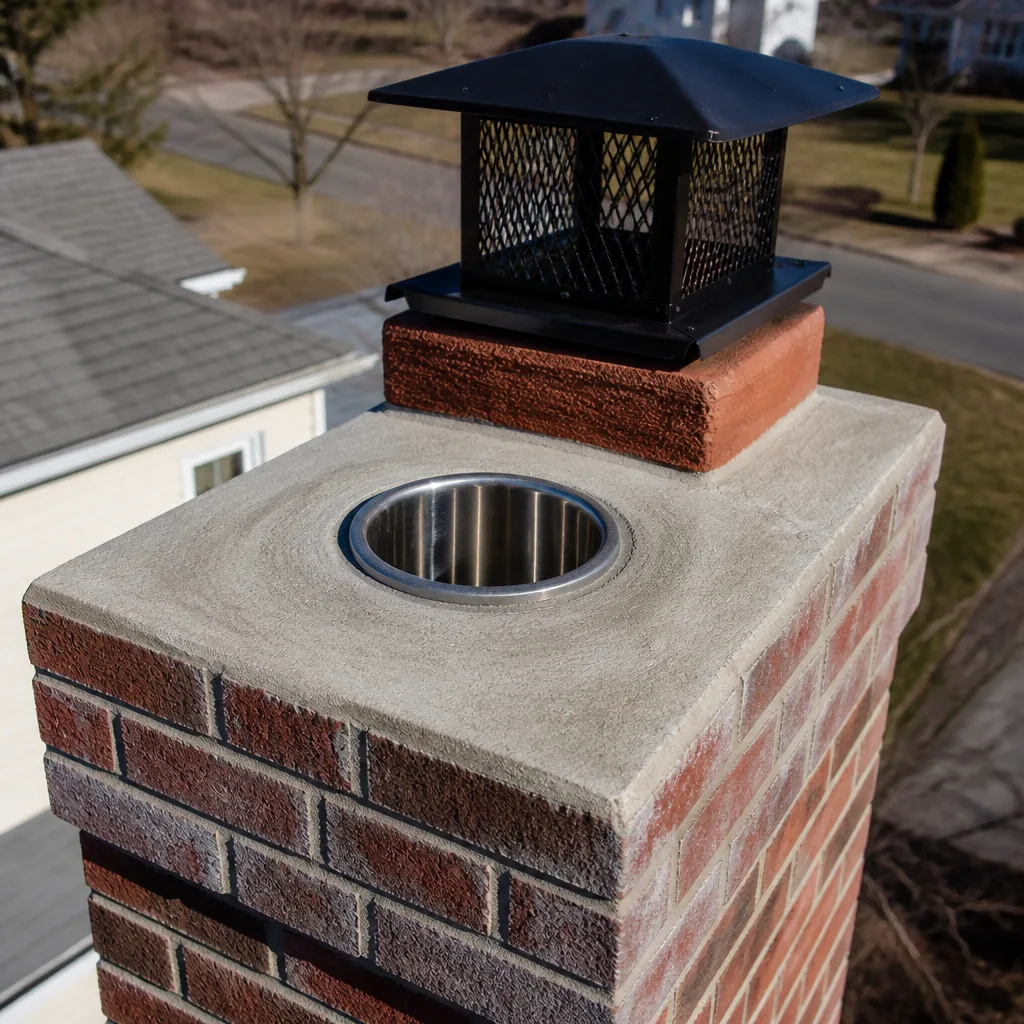 Flue relining
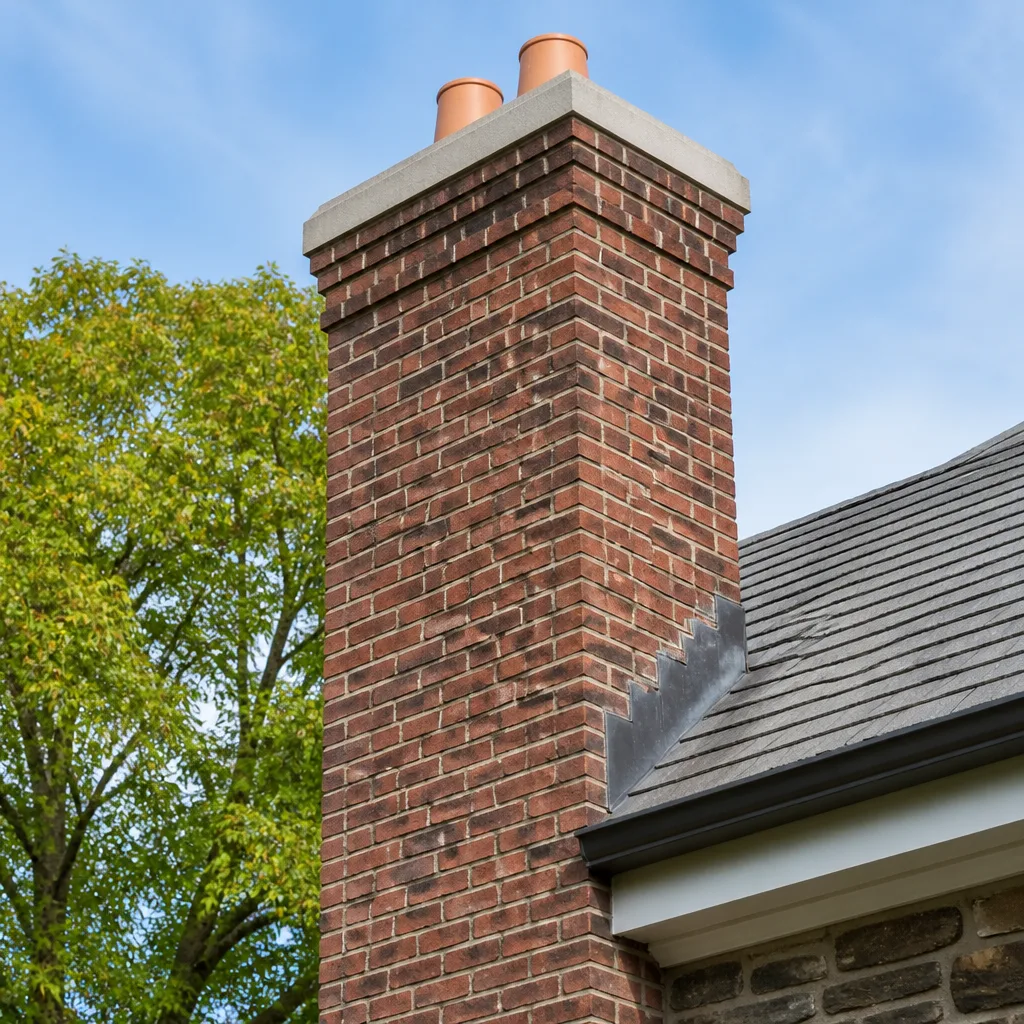 Masonry repair
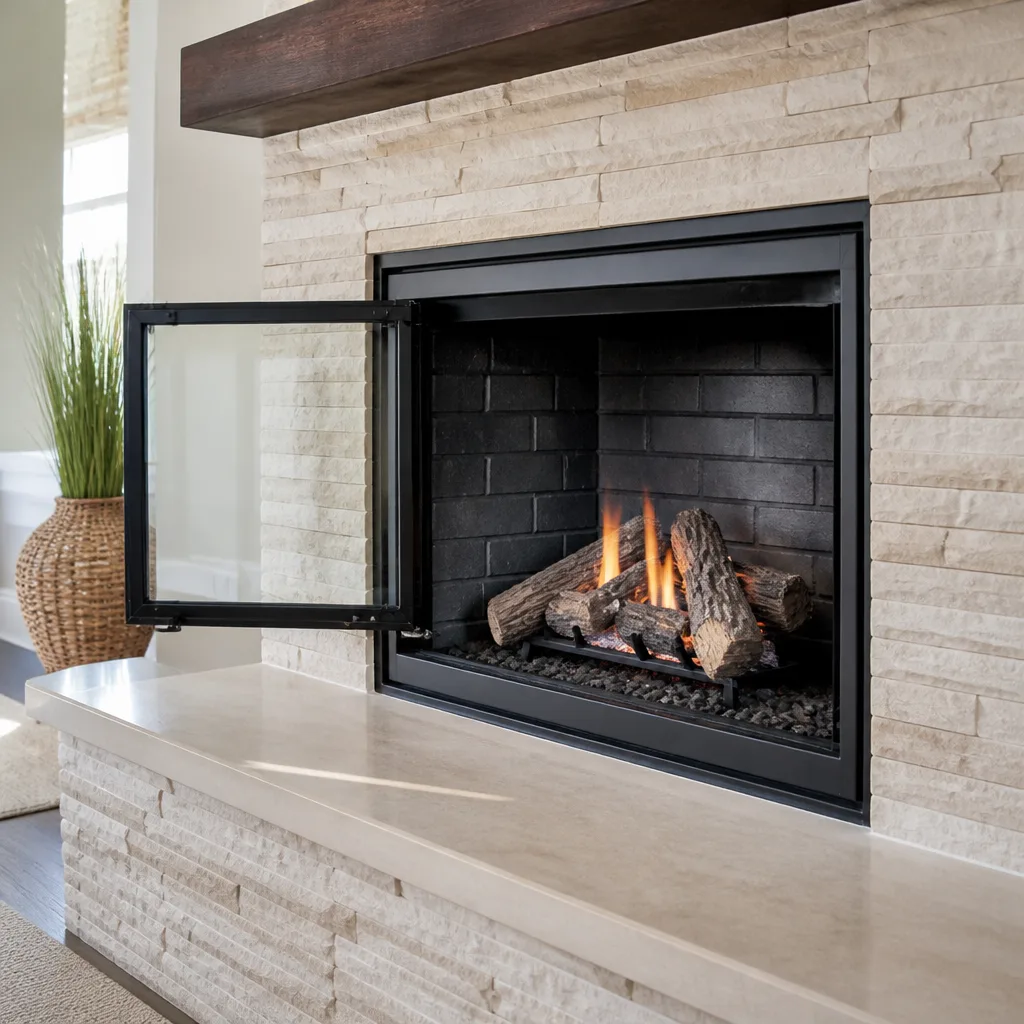 Gas fireplace service
Level 1 sweep and inspection to the NFPA 211 annual standard - flue, crown, cap, and flashing checked and photographed
Chimney sweep logs do not sweep chimneys. They loosen some creosote - which then falls where a brush and vacuum still have to collect it.
DIY vs Professional Chimney Cleaning: The Elmwood Village Homeowner’s Decision Guide
You can buy a chimney brush at nearly any hardware store in Western New York. That’s the part that fools people. The brush exists, the flue looks reachable from the damper, and the job seems mechanical enough: push, twist, pull, done. Here’s the counterintuitive reality – brushing the flue addresses roughly 15% of what a professional chimney evaluation actually covers. The other 85% is structural and combustion analysis a brush can’t perform: liner joint integrity, smoke chamber geometry, crown and cap condition, and draft performance. In Elmwood Village, where much of the housing stock predates modern chimney standards, that 85% matters more than it does almost anywhere else. This guide maps exactly what DIY cleaning can and cannot do, and how to decide which path fits your chimney.
Quick Answer
Professional chimney cleaning in Elmwood Village is worth it over DIY in almost every case because the brush itself is the smallest part of the job – the diagnostic inspection that comes with it is what actually protects your home. DIY cleaning can legitimately remove stage 1 creosote from an accessible, straight flue with a correctly sized brush, but it cannot assess liner condition, evaluate the smoke chamber, inspect the cap and crown from above, or measure draft. In pre-war Elmwood Village housing with offset flues and clay tile liners of unknown joint condition, those gaps are where real risk hides.
Styles & brands we work with
- Sweep & inspection
- Caps & crowns
- Flue relining
- Masonry repair
- Gas fireplace service
Table of Contents
- What DIY Chimney Cleaning Can Legitimately Accomplish
- What DIY Cleaning Cannot Accomplish
- Why Elmwood Village’s Housing Stock Changes the Risk Profile
- The Equipment Cost Reality
- Creosote Stages: What a Brush Can and Can’t Remove
- Insurance and Liability After a DIY Cleaning
- A Decision Framework: When to DIY and When to Call
- What a Professional Cleaning Actually Involves
What DIY Chimney Cleaning Can Legitimately Accomplish
DIY chimney cleaning does have a legitimate scope, and it’s narrower than most homeowners expect. The task a brush performs is removing stage 1 creosote – the thin, sooty, flaky deposit that accumulates after a handful of burns and comes off relatively easily. If your chimney meets every condition below, brushing it yourself won’t damage anything and may meaningfully reduce creosote buildup between professional appointments.
The specific conditions that make DIY viable:
- A straight vertical flue with no offsets or bends. Brushes are designed for straight runs. Once there’s a jog, the brush loses contact with part of the wall and either skips sections or binds.
- A properly sized brush – meaning the brush diameter matches the flue’s interior to within a fraction of an inch. A brush too small polishes deposits instead of removing them; too large and it jams or damages the tile.
- Access from the bottom only, with a clean, reachable damper and enough room at the firebox to work without distorting the throat.
- Confirmed stage 1 creosote only. You know this because a professional has inspected it recently and told you the creosote classification.
- Nothing visible wrong at the firebox, damper, or the top of the flue when viewed from the ground.
Notice how many of these conditions reference prior professional knowledge. Most mechanically inclined homeowners can physically push a brush through a flue. But knowing which flue to brush, how hard to brush, and whether the setup meets the safe conditions above is the part that requires a trained eye.
What DIY Cleaning Cannot Accomplish
A chimney brush reaches the flue walls. It doesn’t reach four of the five things that actually determine whether a chimney is safe to burn. Here’s what a professional inspection evaluates that a DIY cleaning cannot:
- Liner condition. Clay tile liners in pre-war homes develop hairline cracks and failed joints that a brush has no way to see. A professional inspection camera reveals them; a brush slides right past them. And once a joint fails, combustion gases have a path into the surrounding structure.
- Smoke chamber evaluation. The smoke chamber – the tapered space above the damper before the flue proper – collects creosote and can have corbelled masonry that promotes turbulence and deposits. A brush from below can’t assess its geometry or its parging.
- Cap and crown inspection from above. The most common chimney failures happen at the top: cracked crowns, missing or damaged caps, failed mortar joints at the chimney top. None of this is visible from the firebox. The chimney cap & crown are the entry point for most water damage, and inspecting them requires being on the roof.
- Draft performance analysis. Draft depends on flue size, height, termination location, and how the appliance couples to the flue. A brush doesn’t measure any of it. Draft problems cause smoke roll-out into the room and, worse, incomplete exhaust of carbon monoxide.
- Combustion appliance connection. If a wood stove, insert, or furnace vents into the same chimney, the appliance-to-flue connection has to be checked. Loose connections and improper venting don’t show up in a brushing.
In our experience, most homeowners who decide to sweep their own chimneys have no idea which of these five items their setup actually needs. They’re checking one box and assuming the rest are fine.
Why Elmwood Village’s Housing Stock Changes the Risk Profile
Elmwood Village is one of Buffalo’s great historic neighborhoods, and that history shows up in the chimneys. Most homes here were built before mid-century residential chimney standards were codified, which means the flues you’ll encounter in a typical Elmwood Village home have three characteristics that make DIY cleaning significantly riskier than the national average.
Offset flues. In pre-war construction, it was common to jog the flue around a structural element rather than run it perfectly vertical. An offset flue defeats a straight brush: the brush passes the bend, but its contact with the tile around the bend is inconsistent at best, and a homeowner working from the bottom has no reliable way to confirm the angled section was actually cleaned.
Clay tile liners with unknown joint condition. Clay tile was the standard liner material of the era, and it holds up well if it was properly installed and hasn’t been damaged by a prior chimney fire or by moisture. The problem is that failures happen at the joints between tiles, where mortar erodes over time. A cracked joint lets combustion products into the surrounding masonry or framing. That failure has no visible symptom from inside the firebox – it shows up on inspection camera footage.
Original mortar formulations. Mortar mixes from the 1910s through the 1940s didn’t use the same portland cement proportions common today. Some of it is softer, which is appropriate for the brick it bonds to, but it also erodes faster in the presence of moisture or acidic condensate. Aggressive brushing against a softened mortar joint can accelerate the damage. A brush that a homeowner uses with good intentions can loosen material a trained technician would have identified and avoided.
None of this means Elmwood Village chimneys are uniquely dangerous. It means they’re old, and old chimneys have failure modes that a brush simply can’t detect. That’s the reason professional inspections matter more here than the national average suggests.
The Equipment Cost Reality
The naive comparison is brush versus service. A brush costs under a hundred dollars; a professional sweep costs more. That comparison misses the actual task. A professional-grade chimney cleaning and evaluation involves equipment that costs considerably more than a decade of annual professional cleanings. Here’s a realistic inventory of what a full professional setup includes:
- Professional rotary cleaning system. A rotating whip or chain head driven by a variable-speed drill motor, with rods and couplings. This is what removes stage 2 creosote and glazed deposits; a hand brush won’t. Professional systems cost several hundred to over a thousand dollars depending on configuration.
- Inspection camera with long borescope capability. A camera that can travel the length of the flue and record what it sees, plus the display and recording equipment to document findings. A quality camera runs several hundred dollars upward.
- Full PPE. Respirator rated for soot and combustion particulates, sealed goggles, coveralls, drop cloths, and HEPA filtration for cleanup. Creosote and soot are hazardous to breathe and to track through a house.
- The diagnostics. Draft gauge, moisture meter, mirror and light for smoke chamber inspection, and the training to interpret what they show.
Stack those up and the honest number is well past the cost of ten professional cleanings. The equipment the trade uses isn’t a marketing upgrade – it’s the reason the professional can do the 85% of the job that DIY cannot.
Creosote Stages: What a Brush Can and Can’t Remove
Creosote is not one substance. It forms in at least three stages, and each stage requires a different removal approach. This is where a lot of DIY chimney cleaning goes wrong, because the brush works fine on stage 1 and poorly or not at all on stage 2 and 3.
- Stage 1: Sooty, flaky deposit. Soft, easily dislodged, removed with a properly sized brush. This is the deposit homeowners can legitimately address with a DIY brush.
- Stage 2: Hard, crusty deposit. Layered and partially glazed, adheres firmly to the flue. A hand brush polishes it rather than removing it. A rotary system is typically needed.
- Stage 3: Glazed, tar-like deposit. Hard, shiny, and highly combustible. This deposit requires aggressive rotary cleaning and, in some cases, chemical treatment followed by rotary cleaning. It is the most dangerous stage, and it is a fire hazard.
You cannot reliably tell which stage you have without inspecting the flue. From the firebox, a stage 1 layer and a stage 2 layer can look almost the same. When we inspect a chimney, we use a camera to see the full length of the flue and identify the creosote stage before deciding on the right cleaning method. Removing stage 1 with a brush while stage 2 or 3 sits above is worse than doing nothing, because it gives a false sense of safety.
If you’ve been told by a prior professional that you have stage 1 creosote only, brush away. If you don’t know, a chimney sweep answers the question in under an hour and tells you exactly what you’re dealing with. For many Elmwood Village homeowners that first inspection is also the moment they realize a cap or crown has failed – and cap and crown replacement is far cheaper than the water damage that follows a winter of intrusion.
Insurance and Liability After a DIY Cleaning
Here’s the part of the DIY decision most guides leave out entirely: what happens if, despite your best efforts, a chimney fire damages your home. The insurance and liability position after a DIY cleaning is meaningfully different from after a professional service, and it’s worth understanding before you decide.
Most homeowner insurance policies respond to chimney fires. The interesting question isn’t whether coverage exists – it’s whether the claim gets paid at full value or gets contested. If a chimney fire follows a period of homeowner cleaning with no documented professional inspection, the insurer may argue that maintenance was inadequate or that a known hazard was ignored. That argument doesn’t always win, but it puts you in the position of justifying your maintenance history under pressure.
Professional cleaning produces a written record. The inspection findings, the creosote stage, and the swept condition are documented. If you had a professional inspection a year ago and the flue was clean, your position is straightforward. If a professional identifies a defect and you decline the repair, that’s also documented – and the insurer will see it. Both records are better than no record at all.
We’re careful not to overstate this. A professional inspection doesn’t guarantee an insurance claim outcome. What it does is establish a maintenance baseline that a homeowner who cleans their own chimney has no way to establish on their own. Our inspection services are offered as a standalone product, not tied to repair sales, because we think the documentation has value whether or not work follows.
A Decision Framework: When to DIY and When to Call
Most homeowners don’t need a decision tree; they need a short honesty test. Answer these five questions, and the right answer becomes obvious.
- Has a professional inspected your chimney within the past 12 to 18 months? If no, call. DIY cleaning without a baseline inspection is guesswork.
- Do you have a straight, vertical flue with no offsets? If no, call. Brushes don’t work well around bends.
- Do you know, from a prior inspection, that you have stage 1 creosote only? If no, call. You can’t stage creosote from the firebox.
- Is your chimney a pre-war Elmwood Village chimney with clay tile liner and no documented liner condition? If yes, call. The failure modes here are invisible without a camera.
- Is there any sign of water intrusion, crown damage, missing cap, or smoke roll-out into the room? If yes, call. Those are diagnostic flags, not maintenance flags.
If you answered these with “yes, straight flue, stage 1, professionally inspected, no signs of trouble” – that’s the (rare) homeowner who can grab a properly sized brush and sweep. If any of those answers is uncertain, the sweep isn’t the whole task, and the 85% the brush misses is where the risk lives. A professional chimney inspection is the way to establish the baseline. Once you have it, brushing between professional appointments is a reasonable choice.
For the homeowner who wants an actual evaluation rather than a cleaning-only visit, our chimney sweep combines the sweeping with a full inspection so you get both the cleaning and the diagnostic baseline. If the inspection reveals a liner problem, we scope that under chimney repair rather than bundling it as a surprise upsell.
What a Professional Cleaning Actually Involves
The professional service a homeowner books is not the same as the brush they hold. Here’s the specific scope of what our chimney sweeps cover, so you can compare against what DIY would actually accomplish.
Our technicians have up to 14 years of experience, and the process they follow for each visit works like this:
- Pre-inspection of the firebox and damper to check for obstruction, ash buildup, and visible damage.
- Draft and combustion checks to establish baseline performance before cleaning.
- Rotary flue cleaning sized to the actual liner dimensions – not a one-size brush, but the correct head for the flue’s interior.
- Camera inspection of the full flue length to identify creosote stage, liner joint condition, and any offsets or defects.
- Smoke chamber and damper evaluation, including parging condition if accessible.
- Cap and crown inspection from the roof, with a written assessment of any damage.
- Post-cleanup with HEPA filtration, soot and debris removed from the firebox, hearth, and surrounding floor.
- A written report documenting findings, maintenance recommendations, and the reasoning behind them.
Where repairs are needed, we use materials from professional brands, not generic substitutes. DuraFlex flexible liner systems handle the irregular flue paths common in older homes, making proper relining possible where rigid systems can’t go. HeatShield ceramic resurfacing is often an option instead of full relining when the flue is structurally sound but has minor voids or cracked joints – which means we can offer a lower-cost, lower-disruption path than a mandatory liner replacement. Gelco chimney covers and Famco venting components support proper cap sizing and draft performance, and Copperfield systems cover the structural elements around the chimney top. These aren’t decisions we make for their own sake; each choice follows from what the inspection camera shows.
Common Mistakes to Avoid
- Buying a brush without knowing the flue size. A brush too small polishes creosote instead of removing it, and too large can crack the clay tile. Neither is obvious from inside the firebox.
- Cleaning a flue you haven’t inspected. If you don’t know the creosote stage or the liner joint condition, brushing may loosen deposits that then sit in an unreachable section. The visible part looks clean; the actual problem is upstream.
- Assuming “it looks fine from the firebox” means the crown is fine. The crown is at the very top of the chimney, and most failures start there. You cannot assess crown condition without being on the roof. This is one of the most common things we find in Elmwood Village homes whose owners believed their chimney was in good shape.
- Skipping the cap to save on the roof work. A missing or undersized cap is one of the biggest drivers of water intrusion into a chimney. When water gets in, it eventually finds the liner. A $20 problem turns into a liner replacement when the cap is ignored for a few winters.
- Cleaning only once a year and assuming that’s enough. Frequency depends on how much you burn, what you burn, and how your appliance couples to the flue. A homeowner burning a cord of well-seasoned wood annually has a different schedule than one who burns a few evenings a month.
- Not documenting anything. A photo or a written inspection report has value if a future insurance claim ever depends on your maintenance history. DIY cleaning leaves no record.
- Brushing aggressively against old mortar joints. Pre-war mortar formulations can be softer than modern mixes. Heavy brushing near a soft joint accelerates damage that a trained technician would have identified and approached more carefully.
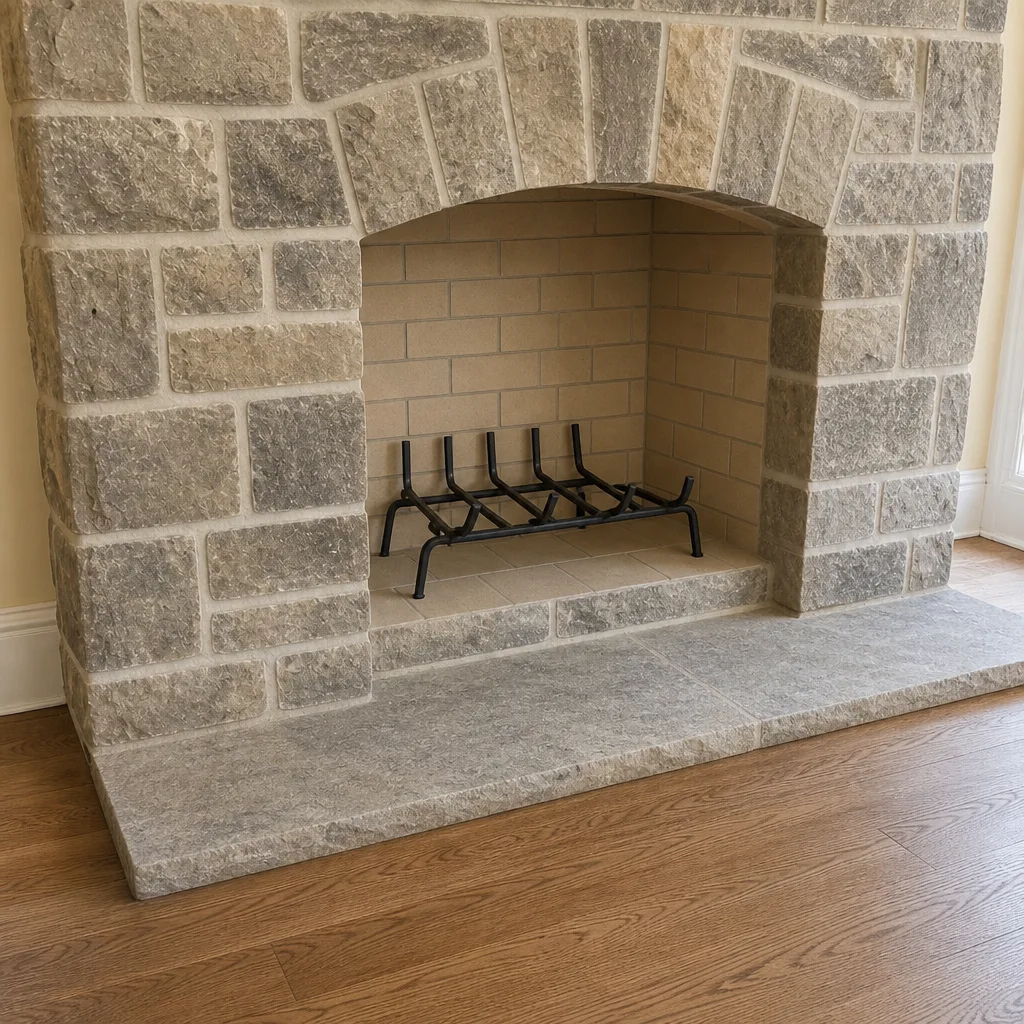
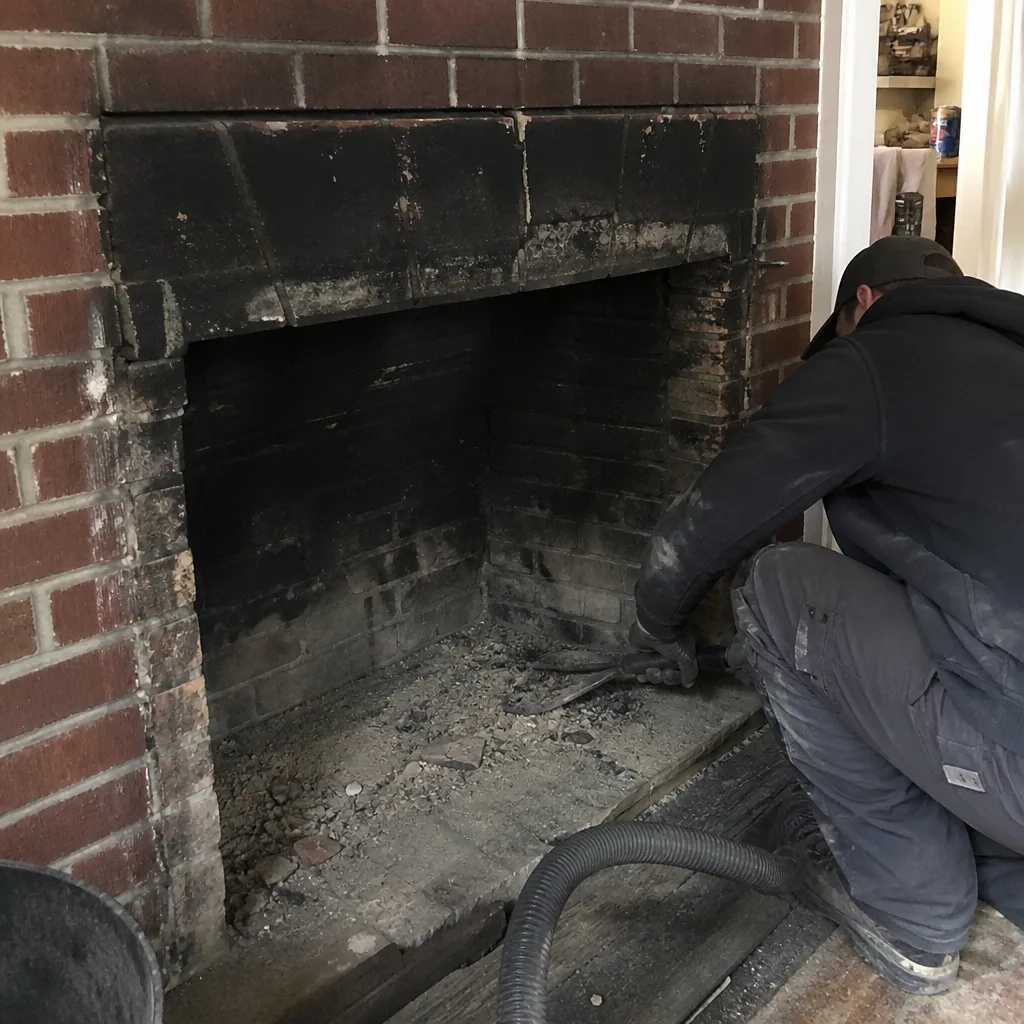
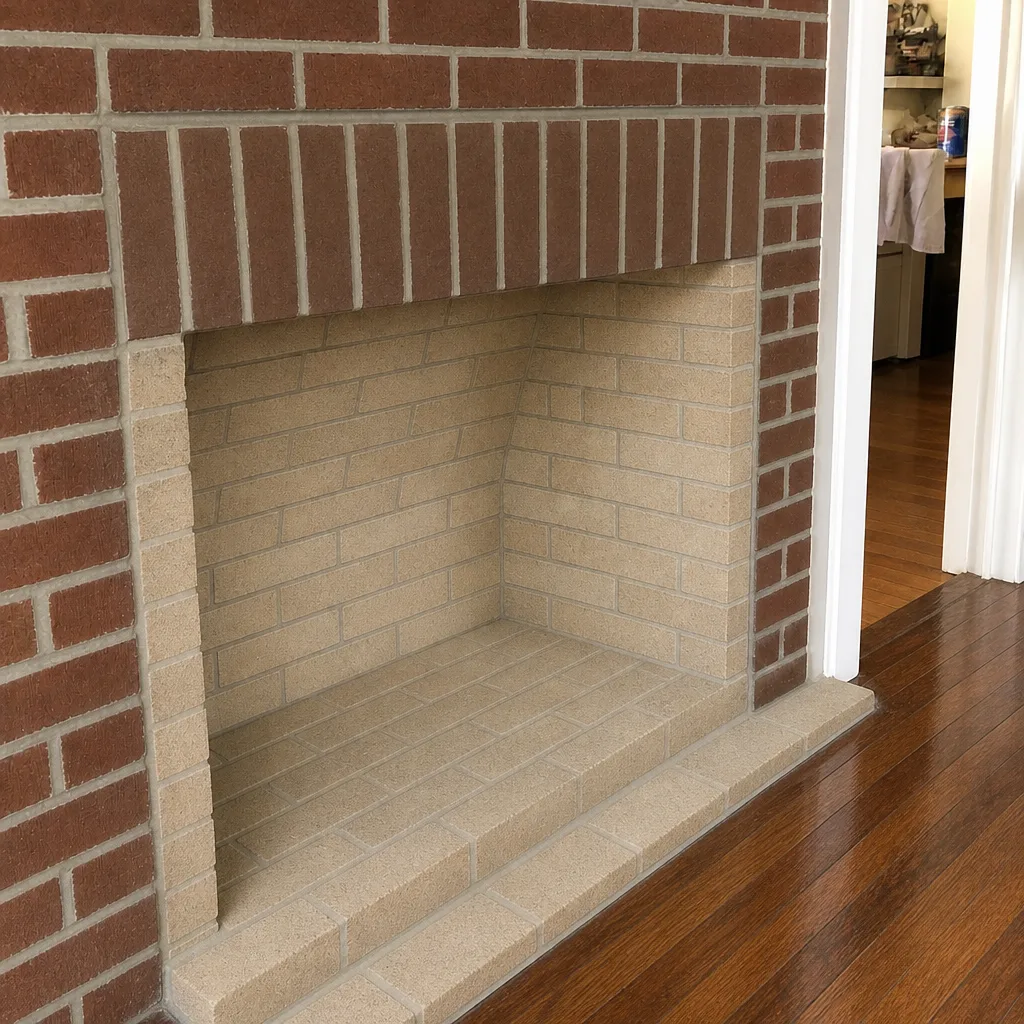
See the difference
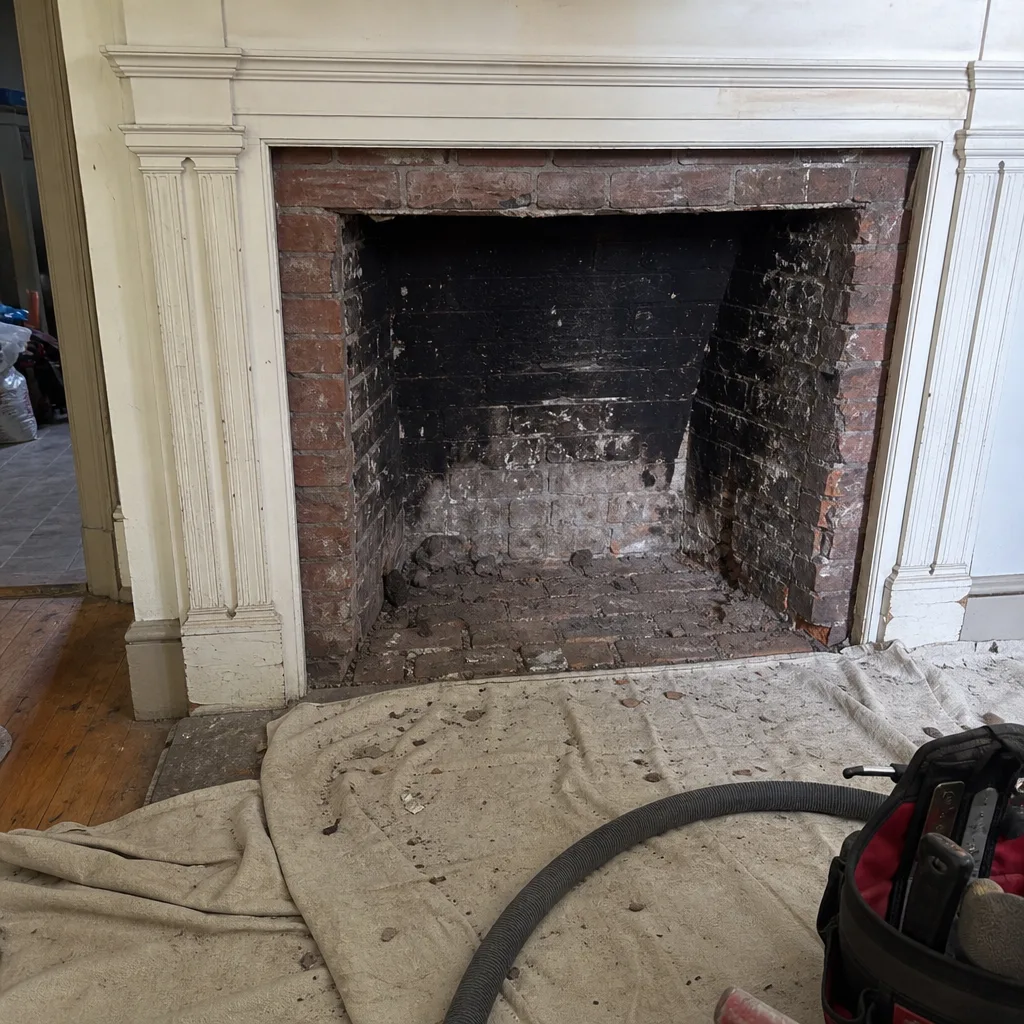 Before
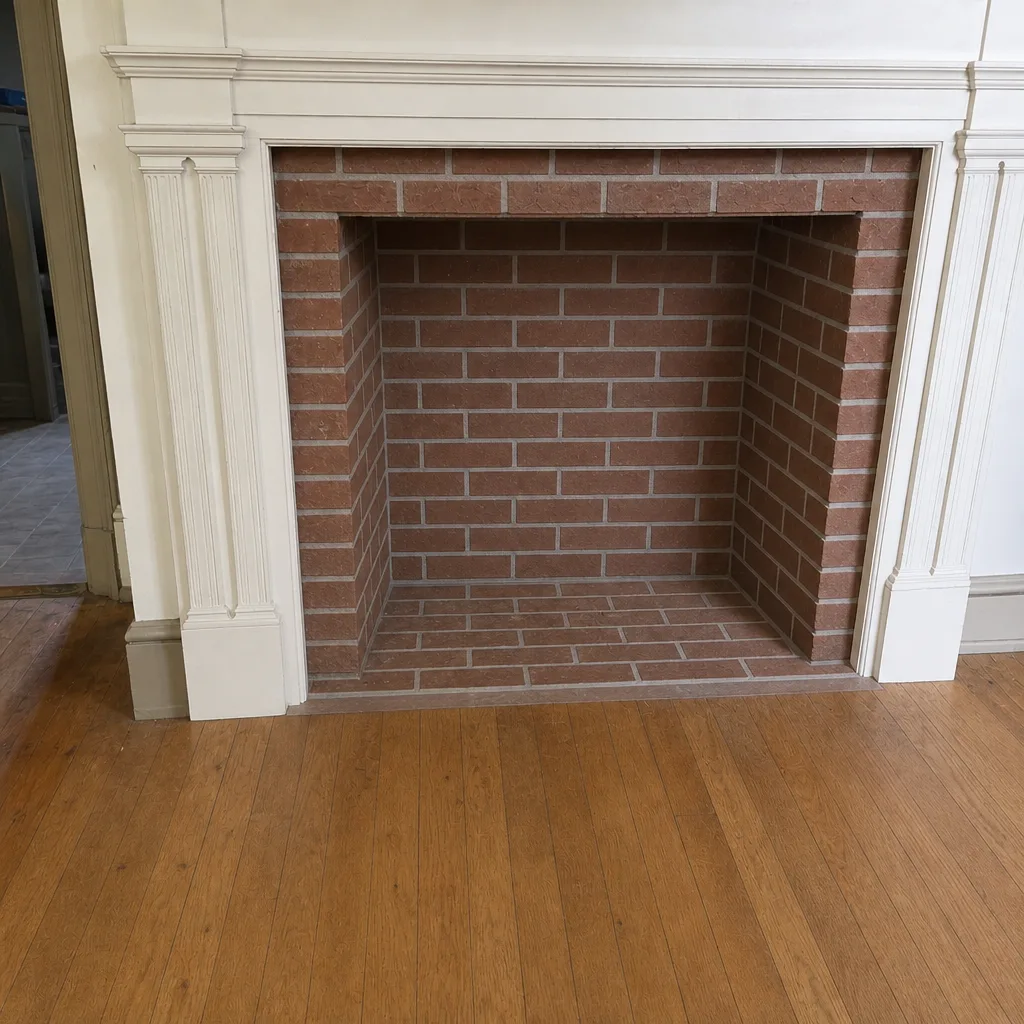 After
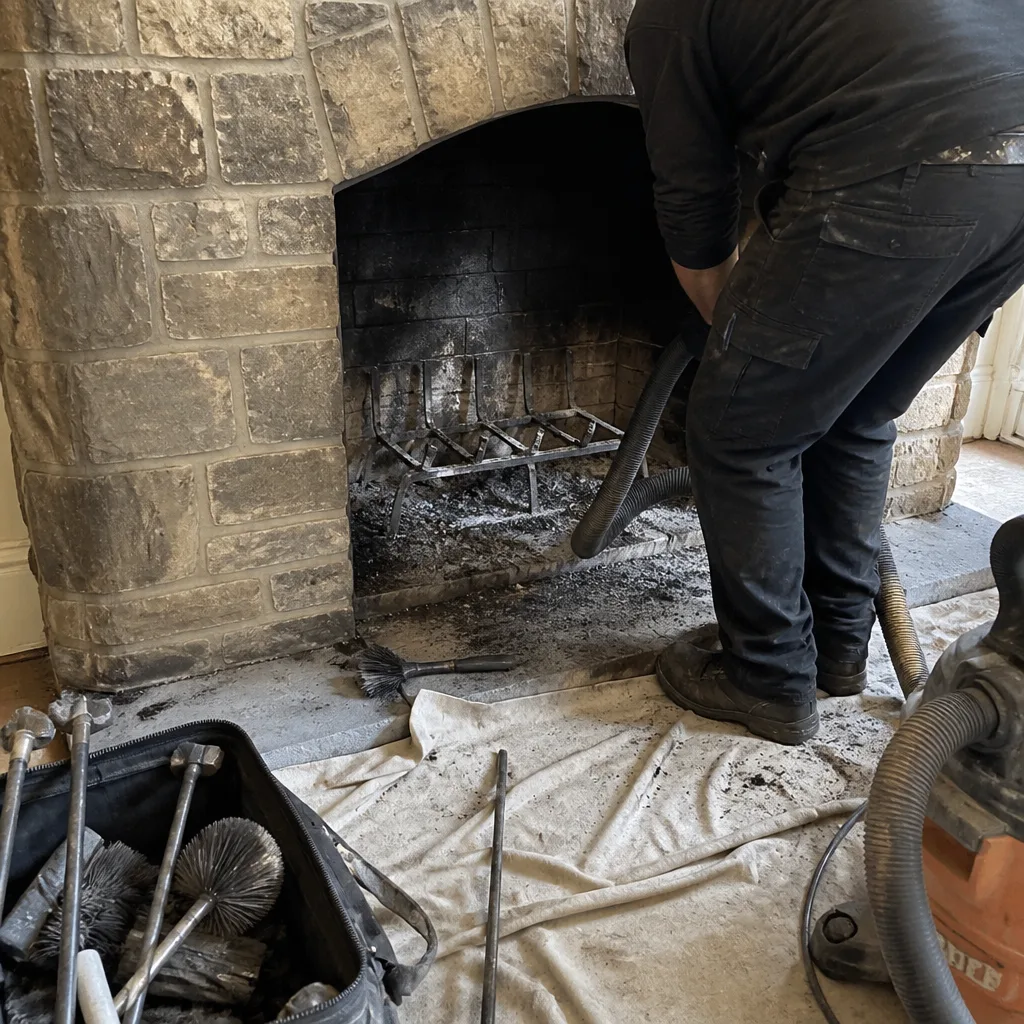 Before
 After
 Before
 After
When to Call a Professional
Call a professional when any of the following is true: you have no professional inspection on record; your house was built before roughly mid-century and you don’t know your liner condition; you notice smoke rolling into the room, a downdraft, or a smell of creosote in the house; you see any sign of water intrusion around the chimney or the ceiling near it; you’ve had a chimney fire, even a small one; or your appliance is not venting cleanly. Call us sooner rather than later if any of those apply – the risks compound over a winter.
Chimney Sweep Elmwood Village offers free estimates in Elmwood Village – call (877) 792-5738. We answer 24/7. Fast dispatch from 7am to 7pm, Sunday through Friday.
For scheduled cleaning, the first step is the Chimney Sweep Elmwood Village appointment, which includes the full inspection so you’re not paying separately for the diagnostic baseline. If the inspection turns up structural issues, we move into repair and cap work under the same relationship, without handoffs to another contractor.
Frequently Asked Questions
Yes, in almost every case, because the brush addresses roughly 15% of what a professional service covers. The remaining 85% is the inspection that identifies liner condition, smoke chamber condition, cap and crown status, and draft performance – none of which a brush can evaluate. If a professional has inspected your chimney and confirmed stage 1 creosote in a straight flue, brushing between appointments is a reasonable maintenance habit. If you don’t have that baseline, a professional sweep is the way to establish it.
A hand brush removes stage 1 creosote; a professional rotary system removes stage 2 and stage 3. Stage 2 deposits are hard and crusty and a hand brush polishes them instead of removing them. Stage 3 is glazed and highly combustible and requires aggressive rotary cleaning, sometimes with chemical pretreatment. If your flue has anything beyond stage 1, a hand brush isn’t the right tool – and you can’t tell from the firebox which stage you have.
Yes, in specific ways. Aggressive brushing against pre-war mortar joints that have softened with age can loosen material. A brush that doesn’t match the tile diameter can crack it. Brushing a flue you haven’t inspected can dislodge stage 2 or 3 deposits into sections you can’t reach, creating an obstruction. And nothing about DIY cleaning addresses crown or cap condition, which is where the majority of moisture-driven failures start.
Coverage usually responds, but the claim position is weaker without documented professional maintenance. An insurer may argue that a known hazard was ignored if the only record is homeowner cleaning. A professional inspection produces a written record of the flue’s condition and any defects identified, which gives you a defensible maintenance history. A professional inspection is worth having regardless of whether you clean the flue yourself between appointments.
Annually is the general guideline for actively used fireplaces, and more frequently if you burn heavily, have an older appliance, or have a pre-war home with a clay tile liner of unknown condition. An annual inspection gives you the baseline data you need for safe operation, and it lets you catch crown or cap issues before they become water damage to the liner. Elmwood Village’s housing stock makes an annual inspection a reasonable floor.
The professional service costs more than a hardware store brush, but the comparison isn’t apples-to-apples. A professional cleaning includes the rotary system, the camera inspection, the cap and crown inspection, the smoke chamber evaluation, and a written report. Those are not things a brush can do at any price. Call (877) 792-5738 for an exact quote – the estimate is free, and the price is set per job by the written estimate.
The Bottom Line
The DIY versus professional chimney cleaning question comes down to what the task actually is. Removing stage 1 creosote from a straight flue with a properly sized brush is a legitimate DIY maintenance task, but only after a professional has confirmed the conditions that make it safe. Everything else – liner inspection, smoke chamber evaluation, cap and crown assessment, draft analysis – requires equipment and training a brush can’t replace. In pre-war Elmwood Village housing, offset flues, clay tile liners of unknown joint condition, and original mortar formulations put more weight on the diagnostic part of the job than the national average suggests. If you don’t have a recent professional inspection to work from, the phone call to schedule one is the honest first step.
Call (877) 792-5738 for a free estimate. We answer 24/7. Fast dispatch from 7am to 7pm, Sunday through Friday.
Written by the team at Chimney Sweep Elmwood Village.